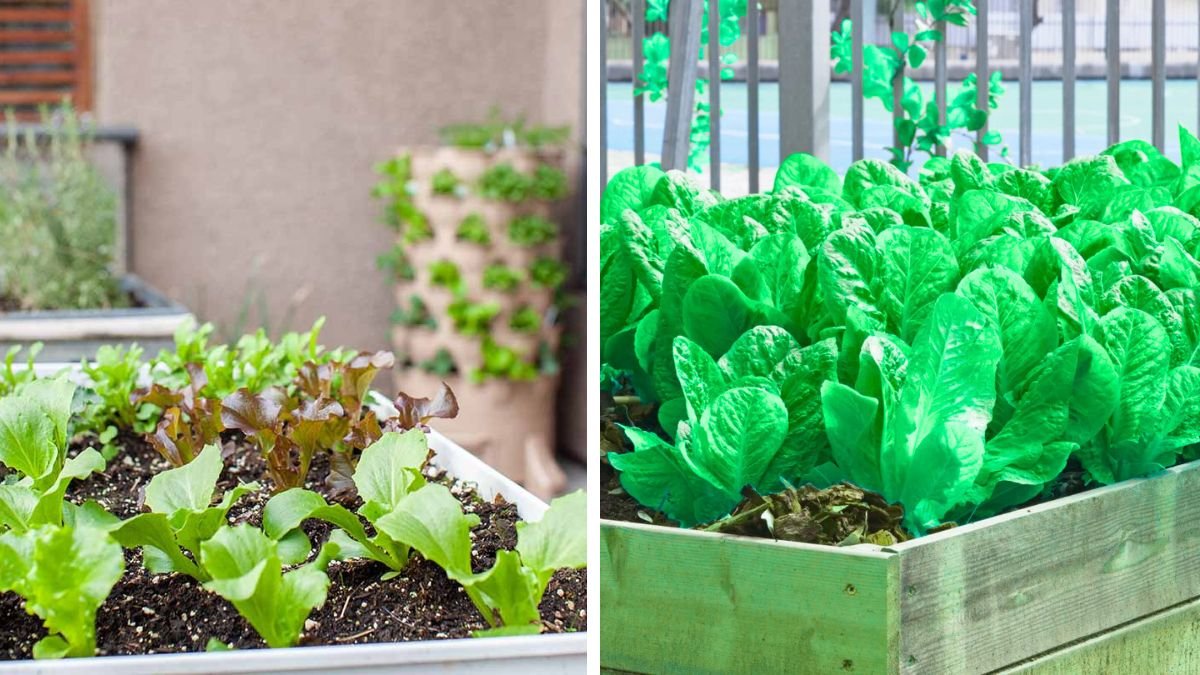
Growing lettuce in pots is a rewarding endeavor that urban gardeners can undertake even with limited space. Not only does it provide fresh greens right at your doorstep, but it also adds greenery to your environment and improves air quality. This ultimate guide takes you through every step of the process, from selecting the right varieties to harvesting your homegrown lettuce.
Why Grow Lettuce in Pots?
Space Efficiency
Latest Posts
- With Just 1 Bottle of Water How I Was Shocked by What Happened When Growing Vegetables
- Maximize Your Home Garden with the Hanging Pea Sprout Growing Model – Space-Saving, High-Yield, and Easy-to-Manage Vertical Gardening Solution
- Just Water – The Secret to Growing Plump, White Peanut Sprouts Right at Home: A Step-by-Step Guide for Beginners
- Growing Zucchini at Home in a Container: How to Cultivate Large, Long Fruits with a 1-to-72 Day Step-by-Step Diary for Maximum Yield
- Grow Long Beans on the Terrace in Used Recycling Baskets: The Ultimate Guide to Easy, Space-Saving, and High-Yield Terrace Gardening
- How to Grow Tons of Long Beans Easily Without a Garden – A Complete Guide to Growing Healthy Yardlong Beans Without Fertilizers or Pesticides
- Easy Long Bean Growing Trick – No Garden, No Fertilizer, No Pesticide
- Grow Bitter Melon in Bottles — Harvest So Big You Can’t Eat It All! The Ultimate Guide to Bottle Gardening for Maximum Yields
- Growing Garlic Made Easy: No Soil, Fast Results – The Ultimate Guide to Growing Fresh Garlic Indoors Without Traditional Soil
- Wall-Mounted Hydroponic Watermelon System: Grow Large, Juicy, and Delicious Watermelons at Home with Minimal Space and Maximum Yield
Many urban dwellers face space constraints, making traditional gardening impractical. Growing lettuce in pots utilizes vertical and limited spaces more effectively, allowing you to cultivate your greens on balconies, patios, or even windowsills.
Accessibility
Potted plants are easier to manage than traditional gardens. They can be placed at waist height to reduce strain on vulnerable backs and knees.
Quality Control
When you grow your own lettuce, you have complete control over the growing conditions—from soil quality to pest management. This means fresher produce without pesticides.
Choosing the Right Varieties
Lettuce comes in various types, and selecting the right variety is crucial for success.
Leaf Lettuce
Leaf lettuces, such as “Red Romaine” and “Butterhead,” are known for their loose leaves and quick growth cycle. They can be harvested multiple times, making them ideal for pots.
Crisphead Lettuce
Though crisphead varieties like “Iceberg” can be grown in pots, they need a larger container (at least 12 inches deep) to accommodate their root systems.
Bibb Lettuce
Bibb lettuce is also a popular choice for pot gardening. Its compact size and rich flavor make it perfect for salads.
Mesclun Mix
If you’re looking for variety, consider a mesclun mix which contains different types of greens and allows for diverse harvests.
Selecting the Right Containers
Not every pot is suitable for growing lettuce. Here are some factors to consider:
Size
A minimum 6 to 8-inch-deep pot works well for most lettuce varieties. Larger, deeper pots are ideal for deeper-rooted varieties.
Material
Containers can be made from plastic, ceramic, wood, or metal. Ensure that whatever material you choose has adequate drainage holes. Terra cotta pots not only provide good drainage but also help regulate soil temperature.
Mobility
If you’re in a particularly hot climate, consider using lightweight pots that can be moved around to optimize light and shade.
Soil Selection
Soil quality is paramount for growing lettuce. Here’s what you should use:
Potting Mix
Choose a high-quality potting mix that retains moisture while allowing good drainage. You can also create your own mix using equal parts compost, peat moss, and perlite.
pH Level
Lettuce prefers slightly acidic to neutral soil, ideally between pH 6.0 and 7.0. You can test your soil’s pH with inexpensive kits available at garden centers.
Nutrients
Consider enriching your potting mix with slow-release fertilizer or organic compost to supply necessary nutrients for healthy growth.
Sunlight Requirements
Lettuce thrives in cooler temperatures and prefers partial shade, especially in hotter climates. Aim for at least 4-6 hours of direct sunlight daily, but avoid the harsh afternoon sun. If you’re in a particularly hot area, providing some shade during peak heat can improve growth and taste.
Planting Lettuce in Pots
Timing
For most regions, the ideal time to sow lettuce seeds is in early spring or late summer. Lettuce can bolt (go to seed) in extreme heat, so early planting is crucial.
Sowing Seeds
- Moisten the Soil: Begin by lightly moistening your potting mix before sowing.
- Sow Seeds: Scatter seeds evenly over the soil surface. A thin layer of soil (about 1/4 inch) should cover the seeds.
- Gentle Watering: Use a spray bottle or gentle watering can to moisten the surface. Avoid creating pools of water.

Thinning
After germination, thin the seedlings out to avoid overcrowding. This usually means removing every other seedling once they reach about 2-3 inches in height.
Care and Maintenance
Watering
Lettuce needs consistent moisture. Water your pots daily, especially in hot weather, but ensure the soil doesn’t become waterlogged. Signs of overwatering include yellowing leaves, while wilting leaves may indicate underwatering. A layer of mulch can help retain moisture and moderate soil temperature.
Fertilizing
Fertilize your lettuce every two weeks with a diluted liquid fertilizer to provide essential nutrients. Organic options, such as fish emulsion or seaweed extract, are excellent choices.
Pest Management
Common pests include aphids, slugs, and snails. You can control these pests through various methods:
- Hand-picking: Remove slugs and snails manually.
- Neem Oil: A natural pesticide that can deter aphids and other soft-bodied pests.
- Diatomaceous Earth: This can be sprinkled around your pots to deter slugs.
Harvesting Your Lettuce
Timing
Lettuce can be harvested as soon as it reaches a usable size—typically 4-6 weeks after sowing, depending on the variety.
Methods
- Cut-and-Come-Again: For leaf lettuces, you can harvest the outer leaves while allowing the center to keep growing. This method prolongs productivity.
- Whole Head: For varieties like Bibb and romaine, you can cut the head at the base to harvest it fully.
Storing Lettuce
Freshly harvested lettuce is best consumed immediately, but it can last up to a week in the refrigerator. Store it in perforated plastic bags in the crisper drawer to maintain freshness.
Troubleshooting Common Issues
Yellowing Leaves
This may indicate overwatering or a lack of nutrients. Adjust your watering schedule and consider adding fertilizer.
Bolt
If your lettuce bolts (produces a flower stalk), it’s a sign that it’s getting too much heat. Harvest any remaining leaves immediately and consider replanting in cooler conditions.
Pests
Frequent checks will help identify and manage pests before they become a problem. Place barriers around your pots to deter larger pests like rabbits.
Best Practices for Urban Gardeners
- Vertical Gardening: Utilize vertical space by stacking pots or using vertical planters.
- Companion Planting: Grow lettuce alongside herbs or flowers that can deter pests and promote healthier growth.
- Seasonal Adjustments: Rotate varieties based on seasonal weather conditions to ensure continuous harvests.
FAQs
Q: How often should I water my potted lettuce?
A: Water daily, especially in hot weather, ensuring the soil is consistently moist but not soggy.
Q: Can I grow lettuce indoors?
A: Yes, you can grow lettuce indoors if you provide sufficient light, either from a sunny windowsill or grow lights.
Q: What should I do if my lettuce starts to bolt?
A: Harvest any usable leaves immediately and consider replanting in a cooler spot or during a cooler growing season.
Q: How long does it take to grow lettuce from seed to harvest?
A: Most lettuce varieties can be harvested in 4-6 weeks from planting, depending on the type and growing conditions.
Q: Can I use leftover soil from last year?
A: It’s best to refresh your potting mix with new soil and compost to prevent diseases and nutrient depletion.
By following these guidelines and tips, urban gardeners can successfully grow fresh, nutrient-rich lettuce in pots, ensuring delightful salads are never more than a few steps away. Happy gardening!