Introduction
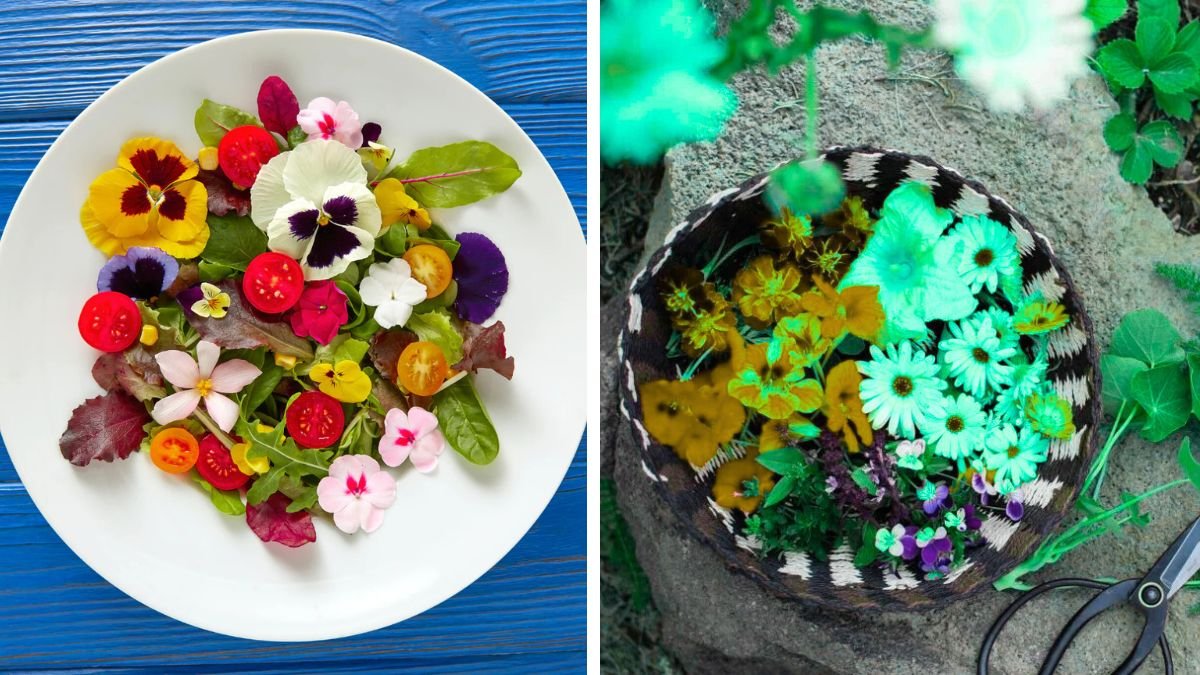
Edible flowers have been a part of our culinary traditions for centuries, gracing dishes with not only vibrant colors but also unique flavors and aromas. These blossoms can elevate the presentation of a meal while adding a depth of taste that is simply delightful. From salads to desserts, the inclusion of flowers in cooking is an art that continues to gain popularity in contemporary cuisine. This article will explore various edible flowers, their uses, and how to incorporate them into your culinary repertoire.
A Brief History of Edible Flowers
Latest Posts
- With Just 1 Bottle of Water How I Was Shocked by What Happened When Growing Vegetables
- Maximize Your Home Garden with the Hanging Pea Sprout Growing Model – Space-Saving, High-Yield, and Easy-to-Manage Vertical Gardening Solution
- Just Water – The Secret to Growing Plump, White Peanut Sprouts Right at Home: A Step-by-Step Guide for Beginners
- Growing Zucchini at Home in a Container: How to Cultivate Large, Long Fruits with a 1-to-72 Day Step-by-Step Diary for Maximum Yield
- Grow Long Beans on the Terrace in Used Recycling Baskets: The Ultimate Guide to Easy, Space-Saving, and High-Yield Terrace Gardening
- How to Grow Tons of Long Beans Easily Without a Garden – A Complete Guide to Growing Healthy Yardlong Beans Without Fertilizers or Pesticides
- Easy Long Bean Growing Trick – No Garden, No Fertilizer, No Pesticide
- Grow Bitter Melon in Bottles — Harvest So Big You Can’t Eat It All! The Ultimate Guide to Bottle Gardening for Maximum Yields
- Growing Garlic Made Easy: No Soil, Fast Results – The Ultimate Guide to Growing Fresh Garlic Indoors Without Traditional Soil
- Wall-Mounted Hydroponic Watermelon System: Grow Large, Juicy, and Delicious Watermelons at Home with Minimal Space and Maximum Yield
The use of flowers in cooking can be traced back to ancient times. The Greeks and Romans frequently used blooms in their salads and drinks. Throughout history, many cultures have embraced edible flowers. In Asia, for example, chrysanthemums and lotuses are held in high esteem. Meanwhile, in Middle Eastern cuisine, rosewater and orange blossom are essential components. Over time, the trend has evolved, and today, chefs and home cooks alike are rediscovering the charm and functionality of edible flowers.
Popular Edible Flowers
Here are some of the most popular edible flowers that grace modern culinary creations:
1. Nasturtiums
Nasturtiums are often hailed as one of the best edible flowers for their vibrant colors and peppery flavor. They come in shades of orange, yellow, and red, making them perfect for adding visual interest to salads or as a garnish on dishes. Both the leaves and flowers are edible, and they can also be used in pesto or as a colorful addition to cheeses.
2. Calendula
Also known as marigold, calendula is often used for its bright orange and yellow blooms. Unlike some other edible flowers, calendula has a slightly spicy flavor akin to saffron. It can be used in salads, soups, or even infused in oils for added flavor.
3. Lavender
Lavender is beloved not just for its fragrance but also for its culinary possibilities. The delicate flowers can be used to infuse oils, sugars, and syrups. Their floral and slightly herbal taste is great in desserts such as cakes and cookies or even in beverages like lemonade.
4. Hibiscus
Hibiscus flowers are commonly used in teas and beverages but can also be included in salads and savory dishes. They have a tart flavor reminiscent of cranberries and can add a refreshing element to cocktails and fruit salads.
5. Roses
Roses are perhaps the most well-known edible flower. Their petals can be used fresh, crystallized, or infused into syrups. Different varieties offer distinct flavors; some are sweet, while others may have a more robust taste, perfect for desserts and beverages alike.
6. Chive Blossoms
Chive blossoms not only add a pop of purple color to dishes but also a mild onion flavor. They can be sprinkled on salads, soups, and even omelets for an elegant touch.
7. Borage
Known for its star-shaped blue blooms, borage has a mild cucumber-like flavor. The flowers are stunning in salads or as a garnish for cocktails. They can also be frozen into ice cubes for a beautiful addition to drinks.
The Culinary Uses of Edible Flowers
The potential culinary applications for edible flowers are vast. Here are some innovative ways to integrate them into your cooking:
Salads
One of the simplest ways to use edible flowers is in salads. Flowers like nasturtiums and chive blossoms can add flavor and color, making a regular salad visually enticing. Mix a variety of flowers for a stunning presentation and intriguing flavor profile.
Desserts
Edible flowers can elevate desserts to new heights. Lavender can be infused into creams or pastries, while rose petals can adorn cakes or be crystallized for a sweet treat. Flowers can also be used in jellies or jams for a unique twist.
Beverages
Flowers can infuse vodka, gin, or champagne with distinctive flavors. Lavender and hibiscus are favorites for crafting syrups that can be added to mixed drinks or made into refreshing teas.
Garnishes
One of the best uses of edible flowers is as a garnish. A single flower on a dish can create an elegant atmosphere. Use roses, nasturtiums, or even borage flowers to enhance the aesthetics of any plate.
Infusions and Oils
Infusing oils or vinegars with edible flowers can impart unique flavors. For example, lavender-infused olive oil can add complexity to salads and grilled vegetables, while calendula might lend an interesting touch to sauces.
Harvesting and Storing Edible Flowers
How to Harvest
When picking edible flowers, it’s essential to do so safely. Here are a few guidelines:
-
Choose a Safe Source: Only source flowers from places that have not been treated with pesticides or chemicals. Keep in mind that wildflowers should only be harvested from areas you know are free from pollutants.
-
Timing: Harvest flowers in the early morning after any dew has dried for the best flavor. Choose flowers that are fully open and vibrant.
-
Cut Carefully: Use scissors to avoid damaging the plant. Keep the flowers cool to maintain their freshness until you’re ready to use them.
How to Store
Edible flowers are delicate, so proper storage is essential:
-
Refrigeration: Store flowers in a plastic container or wrap them in damp paper towels and place them in a plastic bag. They can usually last up to a week in the fridge.
-
Freezing: Flowers like borage and violets can be frozen in ice cube trays filled with water, creating pretty additions to drinks.
Safety Considerations
While many flowers are edible, not all are. It’s crucial to know which species are safe to consume. Here are a few safety tips:
-
Identify: Make sure to correctly identify any flower before consuming it. Consult reliable resources or experts if unsure.
-
Moderation: Some flowers might cause mild reactions; use them in moderation until you’re familiar with how your body reacts.
-
Allergies: People with allergies to pollen should be cautious when consuming flowers.
Conclusion
Exploring the world of edible flowers opens up exciting avenues for creativity in the kitchen. These blooms offer unique flavors, stunning presentations, and historical significance. Whether you’re a chef or a home cook, incorporating edible flowers into your culinary creations can enhance both taste and aesthetics. As you venture into this vibrant world, make sure to learn about the flowers you choose and enjoy the delightful culinary experiences they bring.
FAQs
1. Are all flowers edible?
No, not all flowers are edible. Some can be toxic. Always ensure that you correctly identify flowers and consult reliable sources for information.
2. How do I know if a flower is safe to eat?
Only consume flowers that are certified as edible. Research or consult with experts and ensure they haven’t been treated with pesticides.
3. Can I grow edible flowers at home?
Yes! Many edible flowers can be easily grown in home gardens, such as nasturtiums, calendula, and chives. Start with plants that are easy to maintain and well-suited to your climate.
4. How should I store edible flowers?
Keep them in a cool, dry place, and it’s often best to refrigerate them. Store in a sealed plastic bag or container, preferably layered between damp paper towels.
5. Can I use flowers from my garden?
Only if you know they are edible and have not been treated with chemicals. Always ensure that you are harvesting from a clean, non-contaminated source.
6. What are some common uses for edible flowers in cooking?
Edible flowers can be used in salads, desserts, teas, beverages, and as garnishes. They offer unique flavors and enhances the visual appeal of dishes.
7. Do edible flowers have specific flavors?
Yes, different flowers have varying flavor profiles. Nasturtiums are peppery, lavender is floral, hibiscus is tart, and roses can range from fruity to fragrant.
By diving into the vibrant world of edible flowers, you can add a touch of beauty and creativity to your culinary adventures. Whether you’re looking to impress guests or simply explore new flavors, edible flowers offer an array of possibilities for your kitchen. Happy cooking!