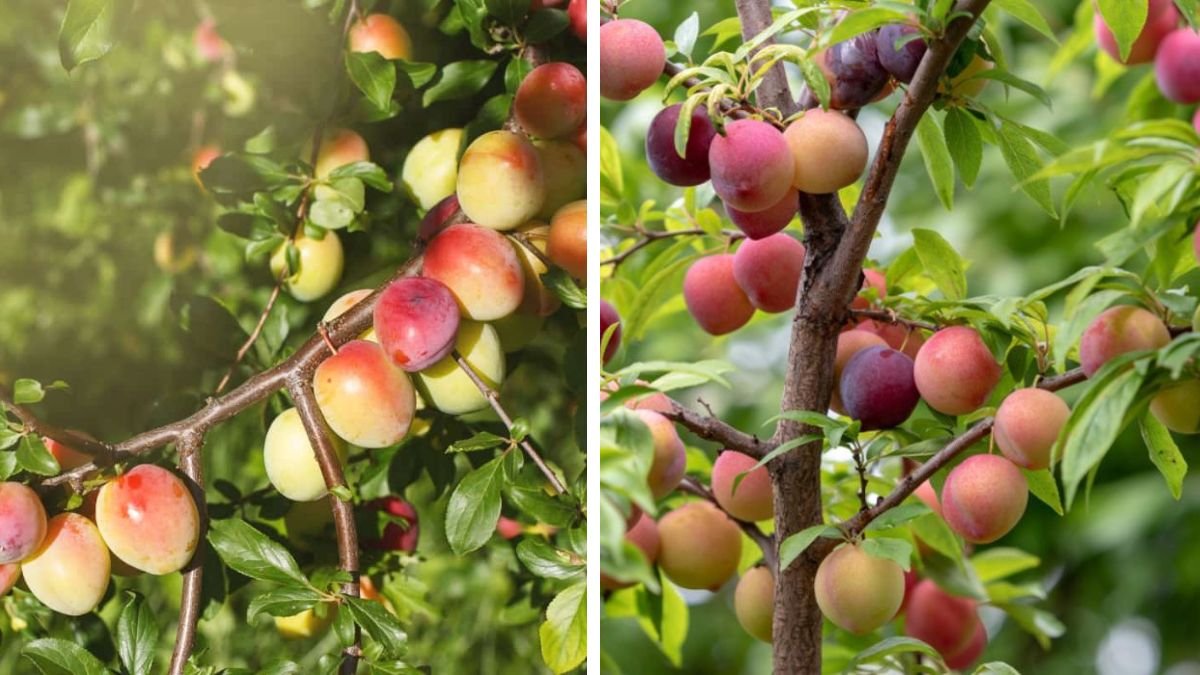
Growing fruit trees in small spaces or urban environments can be incredibly rewarding, and plum trees are no exception. These vibrant, fruit-bearing trees can thrive in pots, providing not only delicious plums but also beautiful aesthetics to your living space. This guide will walk you through everything you need to know about successfully cultivating a plum tree in a pot, making it especially suitable for small gardens or balconies.
Understanding the Basics of Plum Trees
Types of Plum Trees
Latest Posts
- With Just 1 Bottle of Water How I Was Shocked by What Happened When Growing Vegetables
- Maximize Your Home Garden with the Hanging Pea Sprout Growing Model – Space-Saving, High-Yield, and Easy-to-Manage Vertical Gardening Solution
- Just Water – The Secret to Growing Plump, White Peanut Sprouts Right at Home: A Step-by-Step Guide for Beginners
- Growing Zucchini at Home in a Container: How to Cultivate Large, Long Fruits with a 1-to-72 Day Step-by-Step Diary for Maximum Yield
- Grow Long Beans on the Terrace in Used Recycling Baskets: The Ultimate Guide to Easy, Space-Saving, and High-Yield Terrace Gardening
- How to Grow Tons of Long Beans Easily Without a Garden – A Complete Guide to Growing Healthy Yardlong Beans Without Fertilizers or Pesticides
- Easy Long Bean Growing Trick – No Garden, No Fertilizer, No Pesticide
- Grow Bitter Melon in Bottles — Harvest So Big You Can’t Eat It All! The Ultimate Guide to Bottle Gardening for Maximum Yields
- Growing Garlic Made Easy: No Soil, Fast Results – The Ultimate Guide to Growing Fresh Garlic Indoors Without Traditional Soil
- Wall-Mounted Hydroponic Watermelon System: Grow Large, Juicy, and Delicious Watermelons at Home with Minimal Space and Maximum Yield
Before you begin, it’s essential to know that there are different types of plum trees:
-
European Plums: These are the most common type and include varieties like ‘Damson’ and ‘Greengage.’ They are known for their rich flavor and high quality.
-
Japanese Plums: Varieties like ‘Santa Rosa’ and ‘Satsuma’ are juicy and sweet, making them popular for fresh eating.
-
Dwarf Varieties: Dwarf plum trees are particularly suitable for pot cultivation. Varieties like ‘Pixy’ and ‘Opal’ can thrive in smaller containers.
Pot Size
The pot you select is critical for the success of your plum tree. Typically, a container of at least 18-24 inches in diameter is recommended. Ensure that the pot has adequate drainage holes to prevent waterlogging.
Choosing the Right Location
Plum trees love sunlight, so position your pot in a south-facing spot where they can receive at least six hours of sunlight daily. If you’re in a particularly hot climate, some afternoon shade can protect the tree from scorching.
Environmental Considerations
- Temperature: Plum trees thrive in temperate climates. They require winter chill hours to produce fruit, generally between 32°F and 45°F.
- Humidity: Ensure the area is not overly humid, as this can encourage fungal diseases.
Selecting Soil
The type of soil you use can significantly influence the growth and health of your plum tree. Use a potting mix specifically designed for fruit trees or a high-quality, well-draining potting soil. A mixture of peat, perlite, and compost can also work well.
Soil pH
Plum trees prefer a slightly acidic to neutral pH, ideally between 6.0 and 7.0. Soil testing kits are available at garden centers, and adjusting pH can often be done by incorporating elemental sulfur (to lower pH) or lime (to raise pH).
Planting Your Plum Tree
Steps for Planting
-
Prepare the Pot: Fill the bottom of your pot with a layer of gravel to improve drainage.
-
Add Soil: Pour in your potting mix, leaving enough space at the top to accommodate the root ball of the tree.
-
Position the Tree: Place the plum tree in the center and backfill with soil, ensuring the graft union (the bulge where the tree variety is grafted onto the rootstock) sits above soil level.
-
Watering: After planting, thoroughly water the tree. This helps eliminate air pockets in the soil.
Watering Needs
Young plum trees in pots require regular watering, especially in warmer months. However, overwatering can lead to root rot. Here’s how to check if your tree needs water:
- Soil Moisture: Stick your finger into the soil about an inch deep. If it’s dry, it’s time to water.
- Drainage: Ensure water drains out of the pot’s holes. If water pools at the bottom, restrict watering until it evaporates.
Fertilization
Fertilizing your plum tree is crucial for healthy growth and fruit production. Here’s a simple guide:
-
Organic Fertilizers: Use a balanced, slow-release fertilizer, preferably one formulated for fruit trees. Options include fish emulsion or compost.
-
Frequency: Fertilize in early spring just as new growth begins and again in mid-summer for optimal results.
Pruning and Maintenance
Pruning
Pruning is essential for maintaining the health of your plum tree and encouraging fruit production.
- When to Prune: Late winter or early spring before new growth starts is the ideal time.
- Techniques: Remove any dead or diseased branches, and thin out overcrowded areas to improve air circulation and light penetration.
Pests and Diseases
Like any other plant, plum trees can attract pests and diseases. Common issues include:
-
Aphids: Treat with insecticidal soap or neem oil.
-
Fungal Diseases: Ensure good air circulation and avoid overhead watering to minimize the risk of diseases like brown rot and powdery mildew.
Harvesting Your Plums
Once your plum tree begins to bear fruit, usually in its third or fourth year, knowing when to harvest is vital.
- Fruit Ripeness: Plums will begin to change color and become slightly soft when ripe. Taste testing can also help determine ripeness.
- Harvesting: Use clippers to snip the fruit from the branch instead of pulling it to avoid damaging the tree.
Winter Care
Even potted plants require special care during the winter months. Here are some steps you can take:
- Insulate the Pot: Wrap the pot in burlap or bubble wrap to protect the roots from freezing.
- Move Indoors: If you live in a very cold climate, consider moving the pot into a garage or shed for the winter.
FAQs Section
1. Can I grow a plum tree in a small pot?
Yes, but choose a dwarf variety and ensure the pot is at least 18 inches in diameter for healthier growth.
2. Do I need two plum trees for pollination?
While some varieties are self-pollinating, having a second tree can enhance fruit yield and quality. Check the specific variety for its pollination needs.
3. How long does it take for a plum tree to produce fruit?
Typically, a plum tree will begin to bear fruit in its third or fourth year if properly cared for.
4. What should I do if my plum tree starts losing leaves?
Check for pests, diseases, or watering issues. Leaf drop can often be a sign of stress.
5. Can I grow a plum tree indoors?
Plum trees prefer full sun and outdoor conditions; however, if you provide ample light and care, some dwarf varieties can thrive indoors.
6. How often should I fertilize my potted plum tree?
Generally, you should fertilize in early spring and again in mid-summer using a balanced fertilizer.
7. What type of pot is best for a plum tree?
Choose a pot made from terra cotta or high-quality plastic with good drainage holes.
Conclusion
With dedication and a bit of planning, you can successfully grow a plum tree in a pot, even in the most compact urban gardens. Whether you’re looking for a delightful fruit to enjoy or a beautiful tree to enhance your living space, a potted plum tree can be an excellent choice. Follow this guide, and you’ll be on your way to a fruitful and rewarding gardening experience!