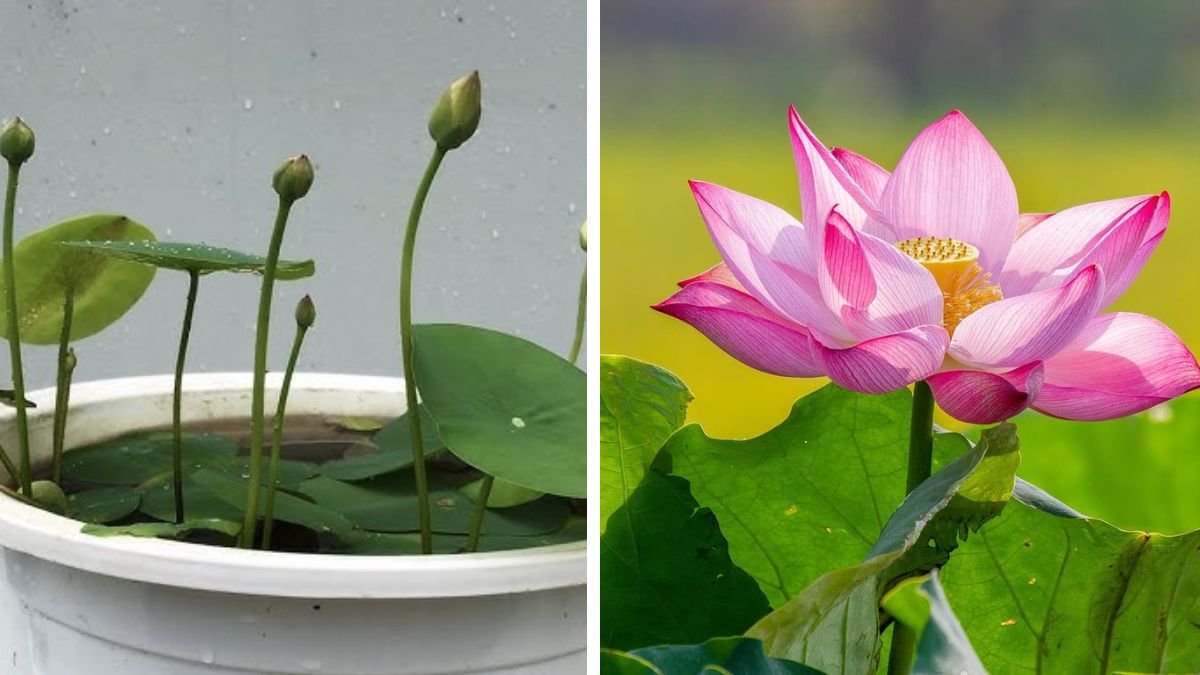
Lotus plants, with their striking flowers and beautiful foliage, have captivated gardeners for centuries. Known for their ability to thrive in water, these aquatic plants are not only aesthetically pleasing but also symbolize purity and beauty in various cultures. If you’re a beginner looking to cultivate lotus plants at home, this comprehensive guide will help you navigate the process with ease.
Understanding Lotus Plants
Overview
Latest Posts
- With Just 1 Bottle of Water How I Was Shocked by What Happened When Growing Vegetables
- Maximize Your Home Garden with the Hanging Pea Sprout Growing Model – Space-Saving, High-Yield, and Easy-to-Manage Vertical Gardening Solution
- Just Water – The Secret to Growing Plump, White Peanut Sprouts Right at Home: A Step-by-Step Guide for Beginners
- Growing Zucchini at Home in a Container: How to Cultivate Large, Long Fruits with a 1-to-72 Day Step-by-Step Diary for Maximum Yield
- Grow Long Beans on the Terrace in Used Recycling Baskets: The Ultimate Guide to Easy, Space-Saving, and High-Yield Terrace Gardening
- How to Grow Tons of Long Beans Easily Without a Garden – A Complete Guide to Growing Healthy Yardlong Beans Without Fertilizers or Pesticides
- Easy Long Bean Growing Trick – No Garden, No Fertilizer, No Pesticide
- Grow Bitter Melon in Bottles — Harvest So Big You Can’t Eat It All! The Ultimate Guide to Bottle Gardening for Maximum Yields
- Growing Garlic Made Easy: No Soil, Fast Results – The Ultimate Guide to Growing Fresh Garlic Indoors Without Traditional Soil
- Wall-Mounted Hydroponic Watermelon System: Grow Large, Juicy, and Delicious Watermelons at Home with Minimal Space and Maximum Yield
Lotus plants (genus Nelumbo) are perennial plants native to tropical and subtropical regions. They can grow in shallow waters or in mud and are best known for their unique flowers that bloom above the water surface. There are two main species: the American lotus (Nelumbo lutea) and the sacred lotus (Nelumbo nucifera), the latter being more commonly cultivated for ornamental purposes.
Benefits of Growing Lotus Plants
-
Beauty and Aesthetics: Lotus flowers come in various colors, including pink, white, and blue, adding an artistic touch to your garden or home.
-
Air Purification: Lotus plants help improve water quality by absorbing excess nutrients, making them a great addition to ponds and water features.
-
Cultural Significance: Many cultures regard the lotus as a symbol of purity and enlightenment, making it a meaningful addition to your home.
Choosing the Right Container
Type of Container
The choice of container is crucial for the healthy growth of your lotus plants. Here are some considerations:
-
Material: Use a container made of plastic, ceramic, or fiberglass. Avoid metal containers which can be harmful to the plants.
-
Size: The container should be at least 12 inches deep and wide. The larger the space, the bigger the roots and leaves can grow.
-
Drainage: While lotus plants prefer being submerged, ensure that there are drainage holes to prevent excessive waterlogging.

Container Setup
-
Layer the Base: Start with a layer of small stones or gravel at the bottom for drainage.
-
Soil Mix: Fill the container with a mixture of aquatic soil, clay, and compost. This mix will provide essential nutrients while keeping the soil structure intact.
-
Water Level: Fill the container with water, leaving enough space for the lotus plant to be submerged but ensuring the potting mix remains saturated.
Planting Lotus Seeds or Rhizomes
Choosing Seeds or Rhizomes
-
Seeds: Lotus seeds have a hard outer shell. To aid germination, you can scarify the seeds by filing them down or soaking them in hot water for a few hours.
-
Rhizomes: If using rhizomes, ensure you choose healthy ones with at least two or three growing points.

Planting Process
-
Prepare the Seeds or Rhizomes: For seeds, soak them for 24 hours after scarification. For rhizomes, cut them into sections if they’re too long.
-
Planting Depth: Place seeds or rhizome sections about 2-4 inches deep in the soil mix. Ensure emerging shoots are oriented upwards.
-
Initial Water Level: Start with a shallow water level and gradually add more as the plants grow.
Growing Conditions
Sunlight
Lotus plants love sunlight. Ideally, they require 6-8 hours of full sun daily. If grown indoors, place them near a south-facing window or under grow lights.
Water Quality
Use dechlorinated water to fill your container. Regularly check for algae growth and clear it away as needed since algae can compete for nutrients.
Temperature
Lotus plants thrive in warm conditions. They prefer temperatures between 70°F and 90°F (21°C to 32°C). If you live in a region with colder winters, consider bringing your container indoors or providing protection.
Fertilization

Lotuses benefit from regular feeding. Here’s how to fertilize:
-
Type of Fertilizer: Use a slow-release aquatic fertilizer. Avoid using regular fertilizers as they may harm the plants.
-
Frequency: Feed your lotus once a month during the growing season (spring to summer).
-
Application: Follow the manufacturer’s instructions on the quantity to use, applying it directly to the soil around the plant base.
Maintenance and Care
Pruning
Regularly prune dead leaves and flowers to promote healthy growth. This practice prevents diseases and encourages the plant to focus its energy on new growth.
Pest Control
While lotus plants are relatively pest-resistant, keep an eye out for pests like aphids or snails. Use organic pest control methods or insecticidal soap if needed.
Winter Care
In colder climates, lotus plants may go dormant in winter. Once temperatures drop, bring the container indoors or place it in a frost-free area with minimal light.
Harvesting Seeds and Flowers
Flower Harvesting
If you wish to harvest lotus flowers, do so in the morning. Cut them with a sharp knife, leaving a few leaves intact for the plant to continue thriving.
Seed Collection
To collect seeds:
-
Wait for the seed pods to mature and turn brown.
-
Carefully cut the pod from the plant.
-
Store the seeds in a cool, dry place.
Conclusion
Cultivating lotus plants at home may seem daunting, but with patience and care, you can successfully grow these stunning aquatic beauties. Follow the guidelines outlined above, and in time, you’ll have a flourishing lotus plant that enhances your living space and serves as a point of pride in your gardening journey.
FAQs About Cultivating Lotus Plants
Q1: Can lotus plants be grown indoors?
A1: Yes, lotus plants can be grown indoors as long as they receive ample sunlight (6-8 hours daily) and are provided with enough space and proper conditions.
Q2: How often should I change the water in my lotus container?
A2: Change the water every 1-2 weeks or as needed to maintain cleanliness and prevent algae growth. Always use dechlorinated water.
Q3: What pests should I watch out for?
A3: Common pests include aphids, snails, and spider mites. Regularly inspect your plants and use organic pest control methods if necessary.
Q4: How do I propagate lotus plants?
A4: Lotus plants can be propagated using seeds or rhizomes. Ensure healthy materials are used, and follow the planting guidelines provided.
Q5: Why are my lotus leaves turning yellow?
A5: Yellowing leaves can indicate overwatering, nutrient deficiency, or insufficient sunlight. Check your growing conditions and adjust accordingly.
Q6: Can lotus plants survive winter?
A6: Lotus plants may go dormant in colder climates. To protect them, move the container indoors or provide insulation against frost.
Q7: How long does it take for lotus seeds to germinate?
A7: Lotus seeds typically take 1-2 weeks to germinate once planted, depending on environmental conditions.
By following the instructions in this guide, you’ll be well-equipped to cultivate beautiful lotus plants in your own home. Happy gardening!