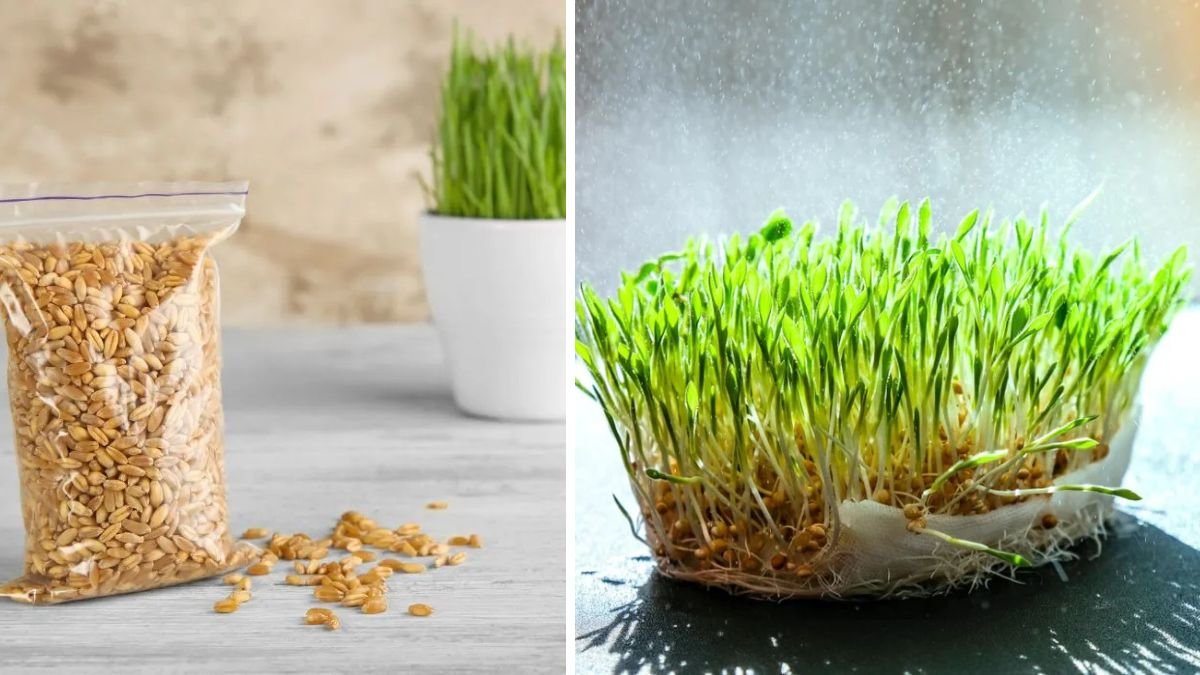
Wheatgrass has gained immense popularity in the health community due to its superb nutritional profile, packed with vitamins, minerals, and antioxidants. Many health enthusiasts prefer cultivating their wheatgrass at home for fresh, organic consumption. This guide will help you understand everything you need to know about growing wheatgrass, from choosing the right seeds to harvesting and enjoying your nutritious greens.
Understanding Wheatgrass: What It Is and Its Nutritional Benefits
Wheatgrass is the young grass of the wheat plant, Triticum aestivum. This superfood is known for its rich nutrient composition, including:
Latest Posts
- With Just 1 Bottle of Water How I Was Shocked by What Happened When Growing Vegetables
- Maximize Your Home Garden with the Hanging Pea Sprout Growing Model – Space-Saving, High-Yield, and Easy-to-Manage Vertical Gardening Solution
- Just Water – The Secret to Growing Plump, White Peanut Sprouts Right at Home: A Step-by-Step Guide for Beginners
- Growing Zucchini at Home in a Container: How to Cultivate Large, Long Fruits with a 1-to-72 Day Step-by-Step Diary for Maximum Yield
- Grow Long Beans on the Terrace in Used Recycling Baskets: The Ultimate Guide to Easy, Space-Saving, and High-Yield Terrace Gardening
- How to Grow Tons of Long Beans Easily Without a Garden – A Complete Guide to Growing Healthy Yardlong Beans Without Fertilizers or Pesticides
- Easy Long Bean Growing Trick – No Garden, No Fertilizer, No Pesticide
- Grow Bitter Melon in Bottles — Harvest So Big You Can’t Eat It All! The Ultimate Guide to Bottle Gardening for Maximum Yields
- Growing Garlic Made Easy: No Soil, Fast Results – The Ultimate Guide to Growing Fresh Garlic Indoors Without Traditional Soil
- Wall-Mounted Hydroponic Watermelon System: Grow Large, Juicy, and Delicious Watermelons at Home with Minimal Space and Maximum Yield
- Vitamins: High in vitamins A, C, E, and several B vitamins.
- Minerals: Contains a range of minerals like calcium, magnesium, and iron.
- Antioxidants: Rich in antioxidants that help combat oxidative stress.
- Chlorophyll: Often called “liquid sunshine,” chlorophyll is known for its detoxifying properties.
Health Benefits
- Detoxification: Wheatgrass aids in cleansing the body by eliminating toxins.
- Boosts Immunity: Its nutrient density can help in enhancing immunity.
- Improves Digestion: Contains enzymes that assist in digestion.
- Increases Energy: Many users report an energy boost after consuming wheatgrass.
- Supports Skin Health: Its antioxidants may contribute to healthier skin.
Getting Started: Choosing Your Wheatgrass Seeds
When it comes to growing wheatgrass at home, selecting the right seeds is crucial. Here are some types you can consider:
- Hard Red Winter Wheat: Known for its nutrient density; it’s often preferred for juice extraction.
- Soft White Wheat: Generally sweeter, it’s suitable for those who prefer to consume wheatgrass powdered or in smoothies.
- Organic Seeds: Opting for organic seeds ensures that no contaminants or pesticides affect your wheatgrass.
Where to Buy
You can find wheatgrass seeds at health food stores, garden centers, or online retailers. Ensure that the seeds are fresh and stored properly for maximum germination.
The Right Supplies for Growing Wheatgrass at Home
To successfully grow wheatgrass, you’ll need the following supplies:
- Containers: Shallow trays or pots with drainage holes.
- Soil: A nutrient-rich potting soil or a seed-starting mix.
- Water: Clean, preferably filtered water for soaking and watering.
- Light Source: Natural sunlight or grow lights if growing indoors.
- Spray Bottle: For watering the grass lightly without disturbing the soil.
Step-by-Step Guide to Growing Wheatgrass
Step 1: Soaking the Seeds
Begin by soaking about 1 cup of wheatgrass seeds in water for 6-12 hours. This process helps kickstart the germination.
Step 2: Preparing the Container
- Fill the tray: Add about 2-3 inches of potting soil to your container.
- Moisten the soil: Before planting the seeds, water the soil lightly to ensure it’s damp but not saturated.
Step 3: Planting the Seeds
- Spread the seeds: Take your soaked seeds and evenly distribute them over the soil surface.
- Press them down: Lightly press the seeds into the soil to ensure good contact.
Step 4: Cover the Seeds
- Cover the seeds with a thin layer of soil (about ¼ inch).
- Mist the surface gently with the spray bottle.
Step 5: Watering and Light
- Water lightly: Keep the soil damp but not soggy. Use a spray bottle for gentle watering.
- Light Source: Place your tray in a location with good light or provide artificial light if indoors (you’ll need about 12-16 hours of light per day).
Step 6: Germination
- Cover the tray: Use a damp cloth or another tray to cover the seeds for the first few days. This helps maintain humidity levels.
- Remove the cover: In 3-7 days, you’ll see green shoots emerging. Remove the cover and expose the grass to light.
Step 7: Maintaining Growth
- Watering: Continue lightly watering as necessary, ensuring the soil remains moist.
- Rotate the tray: If growing indoors, rotate your tray every few days to ensure even growth.
Step 8: Harvesting
In about 7-10 days, your wheatgrass will reach approximately 6 inches in height, ready for harvest.
- Use scissors: Cut the grass just above the soil line for the best flavor.
- Store it properly: Freshly cut wheatgrass can be stored in the fridge for several days.
Enjoying Your Wheatgrass
There are numerous ways to enjoy your freshly grown wheatgrass:
- Juicing: Wheatgrass juice is nutrient-dense and can be consumed alone or mixed with other juices.
- Smoothies: Add it to your morning smoothie for an extra health boost.
- Garnish: Use it as a garnish for salads and soups.
- Powdered Form: You can also dry it and blend it into a powder for later use.
Additional Tips for Successful Wheatgrass Growth
- Temperature: Wheatgrass prefers a temperature range of 60°F to 75°F (15°C to 24°C).
- Air Circulation: Ensure proper air circulation around the trays to prevent mold.
- pH Levels: Wheatgrass thrives in neutral to slightly alkaline soil (pH 6.0 to 7.5).
- Companion Planting: You can grow wheatgrass alongside other herbs or leafy greens for an attractive mini garden.
Troubleshooting Common Issues
- Mold Growth: This often occurs due to overwatering or insufficient air circulation. Reduce watering and ensure good airflow.
- Yellowing Grass: If the grass turns yellow, it may be a sign of overwatering or lack of nutrients. Adjust watering habits and consider fertilizing if needed.
- Slow Growth: This could be due to inadequate sunlight. Ensure your wheatgrass receives enough light for healthy growth.
FAQs: Frequently Asked Questions
1. How often should I water my wheatgrass?
Water your wheatgrass daily using a spray bottle to keep the soil consistently moist but not soggy.
2. Can I grow wheatgrass indoors?
Yes, wheatgrass can be easily grown indoors. Ensure it receives adequate light—consider using grow lights if necessary.
3. What is the ideal temperature for growing wheatgrass?
Wheatgrass grows best in temperatures between 60°F and 75°F (15°C to 24°C).
4. How long does it take to grow wheatgrass?
Typically, wheatgrass takes about 7-10 days from planting to harvest.
5. Can I use regular potting soil, or do I need something special?
Regular potting soil works well, but ensure it’s well-draining and suitable for seed starting.
6. How do I store unused wheatgrass?
Fresh wheatgrass can be stored in the refrigerator, ideally in a sealed container, for up to 7-10 days.
7. Is there a difference between juicing and using powdered wheatgrass?
Juicing provides immediate, concentrated nutrients, while powdered wheatgrass offers convenience for smoothies and recipes.
8. Are there any side effects of consuming wheatgrass?
While well-tolerated by most, some may experience digestive upset. It’s best to start with small amounts and consult a healthcare professional if concerned.
9. Can I reuse the soil for a new batch of wheatgrass?
It’s not advisable to reuse soil without adding fresh nutrients, as the first batch may deplete available nutrients.
10. How can I tell when my wheatgrass is ready to harvest?
Harvest when the grass reaches about 6-8 inches in height and is vibrant green, usually between 7-10 days after planting.
Conclusion
Growing wheatgrass at home is a rewarding experience, promoting a healthier lifestyle and giving you access to one of nature’s most potent superfoods. With the right seeds, supplies, and care, you can easily cultivate nutritious wheatgrass, reaping its numerous health benefits. Enjoy your journey into sustainable home gardening and the fresh taste of wheatgrass!