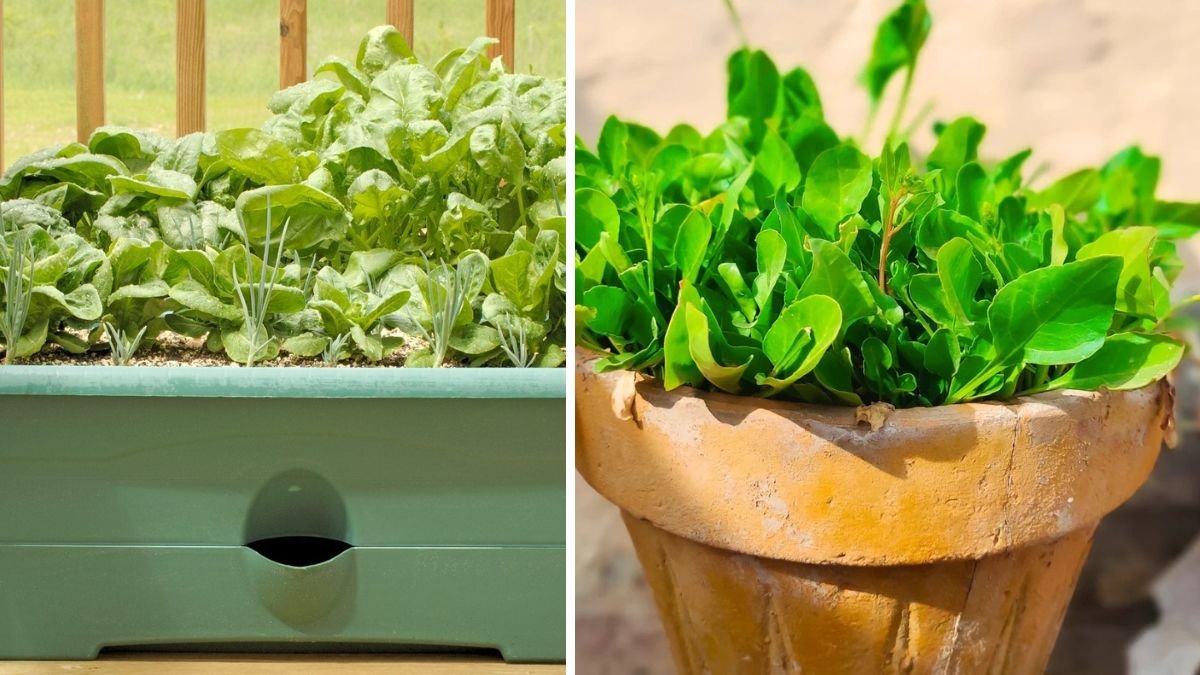
Spinach is a nutrient-dense leafy green that can be a delicious addition to salads, smoothies, and various dishes. Its adaptability makes spinach an excellent candidate for container gardening, allowing anyone—even those with limited garden space—to enjoy homegrown greens. This article will guide you through the process of cultivating spinach in containers throughout the year, covering everything from choosing the right container to harvesting.
Why Grow Spinach in Containers?
Growing spinach in containers offers several advantages:
Latest Posts
- With Just 1 Bottle of Water How I Was Shocked by What Happened When Growing Vegetables
- Maximize Your Home Garden with the Hanging Pea Sprout Growing Model – Space-Saving, High-Yield, and Easy-to-Manage Vertical Gardening Solution
- Just Water – The Secret to Growing Plump, White Peanut Sprouts Right at Home: A Step-by-Step Guide for Beginners
- Growing Zucchini at Home in a Container: How to Cultivate Large, Long Fruits with a 1-to-72 Day Step-by-Step Diary for Maximum Yield
- Grow Long Beans on the Terrace in Used Recycling Baskets: The Ultimate Guide to Easy, Space-Saving, and High-Yield Terrace Gardening
- How to Grow Tons of Long Beans Easily Without a Garden – A Complete Guide to Growing Healthy Yardlong Beans Without Fertilizers or Pesticides
- Easy Long Bean Growing Trick – No Garden, No Fertilizer, No Pesticide
- Grow Bitter Melon in Bottles — Harvest So Big You Can’t Eat It All! The Ultimate Guide to Bottle Gardening for Maximum Yields
- Growing Garlic Made Easy: No Soil, Fast Results – The Ultimate Guide to Growing Fresh Garlic Indoors Without Traditional Soil
- Wall-Mounted Hydroponic Watermelon System: Grow Large, Juicy, and Delicious Watermelons at Home with Minimal Space and Maximum Yield
-
Space Efficiency: Containers can fit on balconies, patios, or small yards.
-
Control Over Soil: You can fill containers with high-quality potting mix, optimizing nutrients.
-
Accessibility: Containers yield easy access to the plants, making harvesting and maintenance simpler.
-
Mobility: You can move containers to optimize sunlight exposure or protect plants from harsh weather.
-
Variety Selection: With containers, you can grow different spinach varieties simultaneously.
Choosing the Right Container
When starting your spinach garden, your first decision will be selecting the right container. Here are some considerations:
Size
Spinach has a relatively shallow root system, which means you don’t need overly large containers. A depth of 6 to 8 inches should suffice, while a diameter of 12 to 18 inches can support multiple plants. Larger containers are also beneficial if you plan to grow several spinach plants together.
Material
Containers can be made from various materials including:
- Plastic: Lightweight and often come with built-in drainage.
- Clay or Terracotta: Aesthetic appeal but can be heavy and retain moisture.
- Wood: Durable and insulative, but requires treatment to prevent rot.
Ensure whatever material you choose has proper drainage holes at the bottom to prevent root rot.
Best Soil for Container Spinach
Selecting quality soil is critical for successful growth. A good potting mix should be:
- Well-draining: Prevents waterlogging while retaining sufficient moisture.
- Rich in nutrients: A combination of compost and organic matter can be beneficial.
- pH balanced: Spinach thrives in slightly acidic to neutral pH (6.0 to 7.0).
You can create your own mix by combining equal parts of potting soil, compost, and perlite or vermiculite for added aeration.
Spinach Varieties to Consider
There are several spinach varieties, each with unique characteristics. Some suitable varieties for container gardening include:
-
Smooth Leaf: Offers a classic spinach flavor, popular for salads and cooking.
-
Savoy: Characterized by crinkly leaves, this variety is excellent for fresh use and cooking.
-
Baby Spinach: Harvested young, this variety is tender and ideal for salads.
Planting Spinach Seeds
Best Planting Time
Spinach is a cool-season crop and can be sown in early spring or late summer to early fall. In warmer climates, you can even grow spinach throughout the winter months.
Germination Temperature
Spinach seeds germinate best at soil temperatures between 50 and 68 degrees Fahrenheit. In colder regions, consider starting seeds indoors and transferring them outside once conditions improve.
Sowing Seeds
-
Moisten the Soil: Before planting, ensure the soil in your container is damp but not soggy.
-
Plant Seeds: Sow seeds about ½ inch deep, placing them at least 2 inches apart to allow for growth.
-
Cover and Water: Gently cover the seeds with soil and water lightly.
Thinning Seedlings
Once seedlings reach a few inches in height, you may need to thin them out to prevent overcrowding. Aim to leave about 4 inches between each plant to allow for proper airflow and growth.
Caring for Your Spinach Plants
Caring for spinach during its growth phase involves watering, fertilizing, and pest management.

Watering
Spinach requires consistent moisture to thrive. Here are some watering guidelines:
-
Frequency: Water deeply 1–2 times per week, depending on the weather and how quickly the soil dries out.
-
Signs of Insufficient Water: Wilting leaves or leaf curling can indicate a need for more water.
Fertilizing
Use a balanced liquid fertilizer every 4–6 weeks if necessary. Spinach benefits from a fertilizer high in nitrogen, which promotes leafy growth. Always follow the manufacturer’s instructions to avoid over-fertilizing.
Pest Control
Common pests of spinach include aphids and leaf miners. Use organic methods such as neem oil or insecticidal soap to mitigate these threats. Regularly inspect your plants for signs of pests and act promptly.
Harvesting Spinach
One of the most rewarding aspects of growing spinach is the harvest! Here’s how to do it correctly:
Timing
You can start harvesting spinach leaves when they are about 3–4 inches tall. For the best flavor and texture, aim to harvest young leaves.
Method
-
Use scissors or garden shears to cut leaves, ensuring you leave some for continued growth.
-
If your goal is to harvest continually, consider the “cut and come again” method. This involves trimming the outer leaves while allowing the inner leaves to grow.
Storage
Freshly harvested spinach can be stored in a plastic bag in the refrigerator for up to a week. Wash leaves carefully just before use to preserve freshness.
Year-Round Spinach Cultivation
Cold Weather
In colder months, you can extend the growing season by moving your containers into a greenhouse or using protective covers to shield plants from frost.
Indoor Growing
If outdoor conditions are too harsh, consider growing spinach indoors. Place containers near sunny windows, or use grow lights to ensure proper light exposure.
Succession Planting
To ensure a constant supply of spinach, consider succession planting. Plant seeds every 2-3 weeks during the growing season to stagger your harvest.
Common Challenges and Solutions
Bolting
Spinach is prone to bolting (going to seed) in warmer temperatures. To prevent this, choose heat-resistant varieties and plan your planting for cooler months.
Leaf Discoloration
Yellowing leaves can indicate nutrient deficiencies or poor watering practices. Ensure you’re providing adequate water and nutrients to maintain healthy foliage.
Pest Infestations
Regular monitoring and early intervention can help manage pest problems. Companion planting with marigolds or garlic can deter common pests.
Conclusion
Cultivating spinach in containers is a rewarding endeavor that allows you to enjoy fresh, nutritious greens year-round. With proper container selection, soil preparation, care, and harvesting practices, anyone can successfully grow spinach at home. As you gain experience, you’ll likely find new ways to enjoy your harvest, enhancing your meals and health.
FAQs
Q1: Can I grow spinach in the summer?
A1: Yes, but spinach tends to bolt in high heat. In warmer climates, consider planting heat-tolerant varieties and provide partial shade.
Q2: How often should I water my spinach?
A2: Water regularly to maintain consistent moisture, typically 1–2 times a week. Adjust based on weather conditions and soil moisture.
Q3: Do I need to fertilize spinach?
A3: Fertilizing is recommended, especially if your potting mix lacks nutrients. A balanced fertilizer every 4–6 weeks can promote leafy growth.
Q4: How do I prevent pests on my spinach plants?
A4: Regularly inspect your plants for pests. Using organic treatments like neem oil or insecticidal soap can help manage infestations.
Q5: Can I grow spinach indoors?
A5: Yes, spinach can be grown indoors with sufficient light. Position containers near sunny windows or use grow lights for optimal growth conditions.
By following these guidelines and troubleshooting common issues, you can successfully grow spinach in containers throughout the year, ensuring a fresh supply of this nutritious leafy green in your kitchen. Happy gardening!