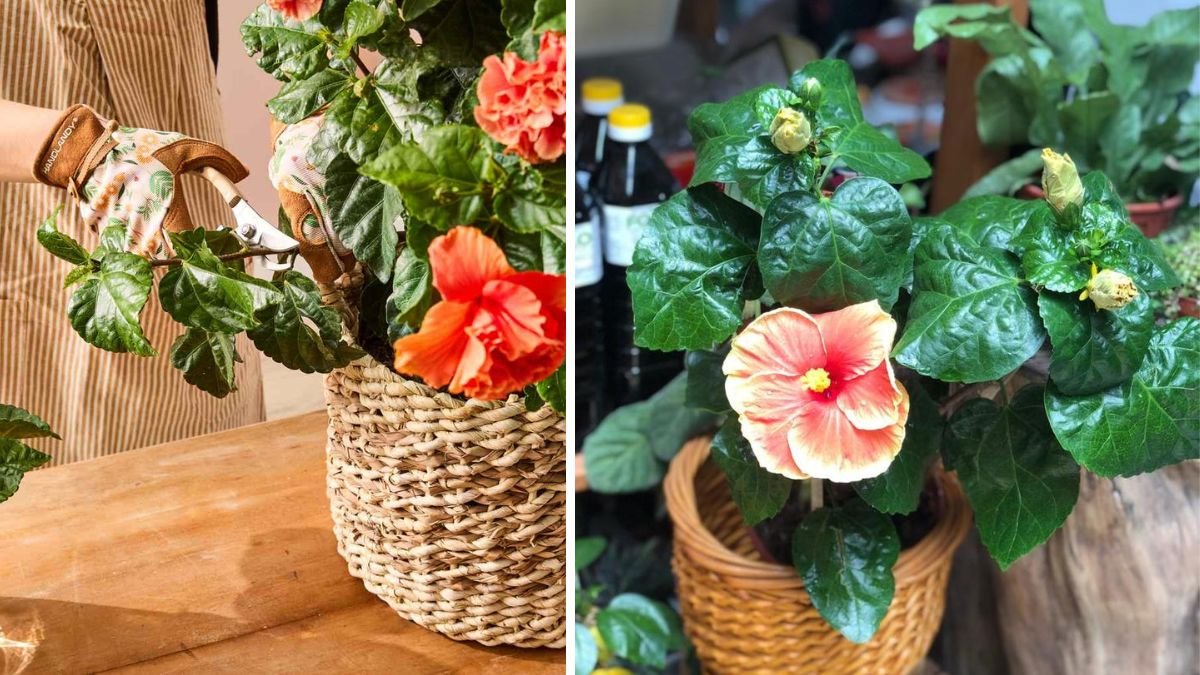
Hibiscus flowers, known for their striking colors and large, vibrant blooms, are a popular choice among gardening enthusiasts. Propagating hibiscus plants can expand your garden, enhance aesthetic appeal, and provide a rewarding experience. Whether you aim to create a lush landscape or simply admire the beauty of these flowers, this guide will help you successfully propagate hibiscus at home.
Understanding Hibiscus
Hibiscus is a genus of flowering plants in the mallow family, Malvaceae. With hundreds of species, hibiscus plants are diverse in their needs and growth habits, making it essential to understand the specific variety you intend to propagate.
Latest Posts
- With Just 1 Bottle of Water How I Was Shocked by What Happened When Growing Vegetables
- Maximize Your Home Garden with the Hanging Pea Sprout Growing Model – Space-Saving, High-Yield, and Easy-to-Manage Vertical Gardening Solution
- Just Water – The Secret to Growing Plump, White Peanut Sprouts Right at Home: A Step-by-Step Guide for Beginners
- Growing Zucchini at Home in a Container: How to Cultivate Large, Long Fruits with a 1-to-72 Day Step-by-Step Diary for Maximum Yield
- Grow Long Beans on the Terrace in Used Recycling Baskets: The Ultimate Guide to Easy, Space-Saving, and High-Yield Terrace Gardening
- How to Grow Tons of Long Beans Easily Without a Garden – A Complete Guide to Growing Healthy Yardlong Beans Without Fertilizers or Pesticides
- Easy Long Bean Growing Trick – No Garden, No Fertilizer, No Pesticide
- Grow Bitter Melon in Bottles — Harvest So Big You Can’t Eat It All! The Ultimate Guide to Bottle Gardening for Maximum Yields
- Growing Garlic Made Easy: No Soil, Fast Results – The Ultimate Guide to Growing Fresh Garlic Indoors Without Traditional Soil
- Wall-Mounted Hydroponic Watermelon System: Grow Large, Juicy, and Delicious Watermelons at Home with Minimal Space and Maximum Yield
Common Types of Hibiscus
- Tropical Hibiscus: Known for their large, showy flowers and ability to thrive in warmer climates.
- Hardy Hibiscus: These variants are more cold-tolerant, making them suitable for regions with harsh winters.
- Rose of Sharon (Hibiscus syriacus): A hardy shrub that blooms in late summer, often used in landscaping.
- Chinese Hibiscus (Hibiscus rosa-sinensis): The most common ornamental variety, often found in tropical and subtropical areas.
Propagation Methods
1. Cuttings Method
One of the most common and straightforward methods to propagate hibiscus is through cuttings.
Steps to Propagate Hibiscus from Cuttings:
-
Choose the Right Time: Late spring to early summer is ideal for taking cuttings when the plant is actively growing.
-
Select Healthy Stems: Look for young, healthy stems with no signs of disease. A cutting should be approximately 4 to 6 inches long and have several leaves.
-
Prepare the Cuttings: Using a sharp, sterile knife or scissors, make a clean cut just below a leaf node.
-
Remove Lower Leaves: Trim the leaves from the bottom of the cutting to prevent them from sitting in water or soil which can cause rot.
-
Use Rooting Hormone: Dip the cut end in rooting hormone to encourage faster root growth (optional but recommended).
-
Plant the Cuttings: Insert the cutting into a pot filled with a moist, well-draining potting mix. Water the soil lightly.
-
Create a Humid Environment: Cover the pot with a plastic bag or a plastic dome to retain moisture while avoiding direct sunlight, creating a mini greenhouse effect.
-
Wait for Roots to Develop: Keep the cuttings in a warm spot, and check periodically. Roots should develop in 4-6 weeks.
Care After Rooting
Once roots have formed (you can tug gently to feel resistance), it is time to acclimatize the young plant to its new environment. Gradually remove the plastic covering over the course of a week or two before transferring to larger pots.
2. Seed Propagation
If you have a particular hybrid or variety in mind, propagation through seeds is another option.
Steps for Seed Propagation:
-
Collect Seeds: After the hibiscus flowers have bloomed and faded, seed pods will develop. Once they brown and dry, you can harvest the seeds.
-
Clean and Dry Seeds: Remove seeds from the pods and let them dry for a couple of days.
-
Prepare for Planting: Soak seeds in water for 24 hours to aid germination.
-
Plant in Pots: Fill small pots with a seed-starting mix and plant seeds about 1/4 inch deep.
-
Maintain Moisture: Keep the soil moist but not soggy. Use a plastic cover or humidity dome if needed.
-
Germination Period: Seeds typically germinate within 1-3 weeks, depending on the variety and growing conditions.
3. Layering Method
Layering is effective for propagating large, established plants.
Steps for Layering:
-
Select a Healthy Stem: Choose a low-growing branch that can be bent to the ground.
-
Prepare the Soil: Loosen the soil where the stem will touch for better root development.
-
Wound the Stem: Gently scrape the bark on the underside of the stem to encourage rooting.
-
Bend and Secure: Bend the stem down to the soil and bury the wounded section, securing it with a rock or a U-shaped peg.

-
Water Regularly: Ensure the buried section stays moist. Roots should develop within the growing season.
-
Sever Once Rooted: Once you see new growth at the tip, you can sever the new plant from the parent and transplant.
Ideal Growing Conditions
Light
Hibiscus plants thrive in full sun, requiring 6-8 hours of direct sunlight a day. If grown indoors, consider placing them near a south-facing window or using grow lights.
Soil
A well-draining potting mix is essential. A blend of peat moss, perlite, and compost will provide the necessary nutrients while ensuring adequate drainage.
Watering
Hibiscus likes consistent moisture. Water when the top inch of soil feels dry, ensuring that excess water drains out to prevent root rot.
Fertilizing
Hibiscus plants benefit from regular feeding during the growing season. Use a balanced fertilizer (e.g., 10-10-10) every 4-6 weeks. Reduce feeding in the fall and winter.
Temperature and Humidity
Ideal temperatures range from 65°F to 75°F (18°C to 24°C). Tropical hibiscus may require higher humidity, so consider misting or using a humidifier.
Pests and Diseases
Hibiscus plants are susceptible to pests such as aphids, spider mites, and whiteflies. Regular inspection and immediate action (insecticidal soap or neem oil) can control these infestations.
Diseases like root rot or leaf spot can also occur. Ensure proper watering practices and good air circulation to minimize risks.
Pruning and Maintenance
Regular pruning helps maintain the shape and encourages bushier growth. Trim back leggy stems after the blooming period and remove any dead or diseased branches.
Frequently Asked Questions (FAQs)
1. What is the best time to propagate hibiscus?
The ideal time for cuttings is late spring to early summer when the plant is actively growing.
2. Can I propagate hibiscus in water?
Yes, hibiscus cuttings can root in water, but soil is generally more effective for long-term growth.
3. How long does it take for hibiscus cuttings to root?
Typically, hibiscus cuttings take 4-6 weeks to root, depending on conditions.
4. Do hibiscus grow well indoors?
Yes, hibiscus can thrive indoors with adequate light (6-8 hours of sunlight), proper watering, and humidity levels.
5. What is the most common pest affecting hibiscus?
Aphids and spider mites are some of the most common pests. Regular monitoring and treatment can keep these pests at bay.
6. How can I improve hibiscus flowering?
Ensure full sun exposure, regular fertilizing during the growing season, and consistent watering for optimal blooms.
7. Can I plant hibiscus seeds directly into the garden?
While you can plant hibiscus seeds directly, starting them indoors gives you better control over their growth and increases the chances of successful germination.
8. What is the best soil for hibiscus?
A well-draining potting mix with good organic content works best for hibiscus.
9. How do I store hibiscus seeds?
Store seeds in a cool, dry place in a paper envelope or a breathable container until you’re ready to plant.
10. How often should I water my hibiscus?
Water when the top inch of soil becomes dry, ensuring that excess water drains away.
Conclusion
Propagating hibiscus flowers at home has endless benefits, from increasing your plant collection to beautifying your space. By following the methods outlined in this guide, you can successfully propagate your hibiscus plants and enjoy their vibrant blooms for years to come. Whether you opt for cuttings, seeds, or layering, understanding the necessary care and conditions will ensure your hibiscus thrives. Happy gardening!