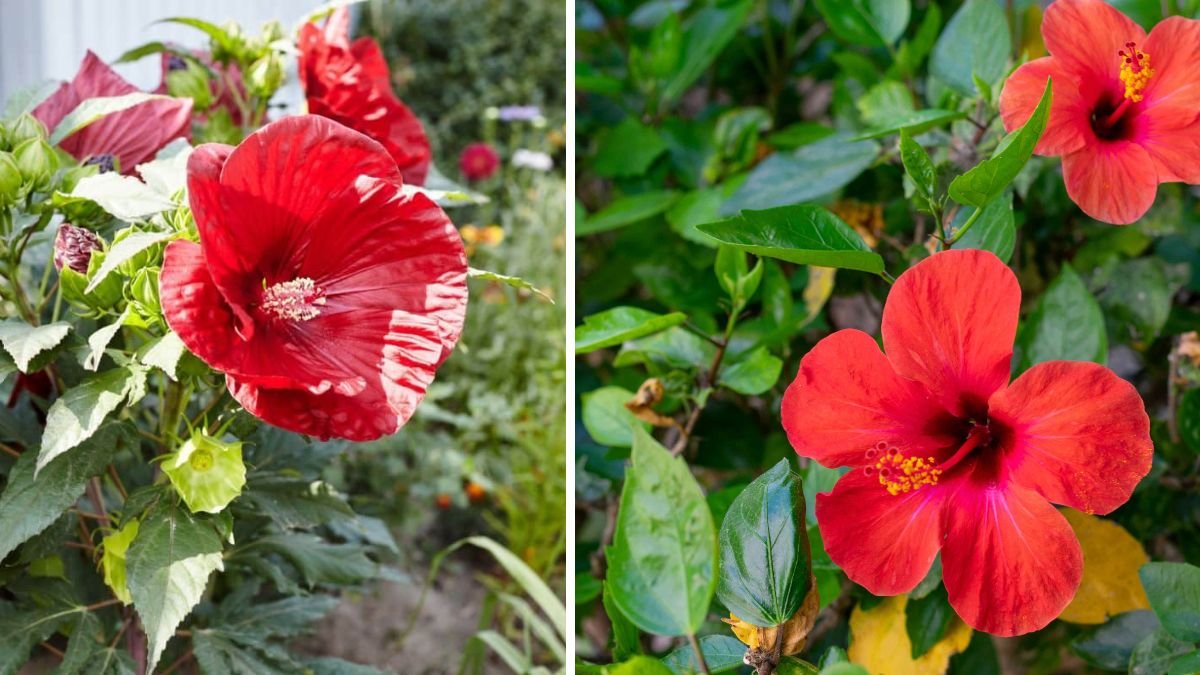
Hibiscus flowers are renowned for their striking beauty and vibrant colors that can enliven any garden or indoor space. These tropical plants are not only visually appealing but also relatively easy to propagate. This guide provides detailed information on how to successfully propagate hibiscus flowers at home, the best techniques to use, and answers to frequently asked questions.
Understanding Hibiscus
Types of Hibiscus
Latest Posts
- With Just 1 Bottle of Water How I Was Shocked by What Happened When Growing Vegetables
- Maximize Your Home Garden with the Hanging Pea Sprout Growing Model – Space-Saving, High-Yield, and Easy-to-Manage Vertical Gardening Solution
- Just Water – The Secret to Growing Plump, White Peanut Sprouts Right at Home: A Step-by-Step Guide for Beginners
- Growing Zucchini at Home in a Container: How to Cultivate Large, Long Fruits with a 1-to-72 Day Step-by-Step Diary for Maximum Yield
- Grow Long Beans on the Terrace in Used Recycling Baskets: The Ultimate Guide to Easy, Space-Saving, and High-Yield Terrace Gardening
- How to Grow Tons of Long Beans Easily Without a Garden – A Complete Guide to Growing Healthy Yardlong Beans Without Fertilizers or Pesticides
- Easy Long Bean Growing Trick – No Garden, No Fertilizer, No Pesticide
- Grow Bitter Melon in Bottles — Harvest So Big You Can’t Eat It All! The Ultimate Guide to Bottle Gardening for Maximum Yields
- Growing Garlic Made Easy: No Soil, Fast Results – The Ultimate Guide to Growing Fresh Garlic Indoors Without Traditional Soil
- Wall-Mounted Hydroponic Watermelon System: Grow Large, Juicy, and Delicious Watermelons at Home with Minimal Space and Maximum Yield
There are several types of hibiscus, each with its own unique characteristics:
-
Tropical Hibiscus: Known for large, colorful flowers and bushy growth. Ideal for warmer climates.
-
Hardy Hibiscus: These varieties can withstand colder temperatures and typically bloom late in summer.
-
Rose Mallow: A subtype of hardy hibiscus, featuring dinner plate-sized flowers.
-
Chinese Hibiscus: Commonly used as an indoor plant, known for its glossy leaves and large blooms.
Why Propagate Hibiscus?
-
Cost-Effective: Propagating from cuttings or seeds eliminates the need to purchase new plants.
-
Preserve Varieties: Ensures you can maintain specific hibiscus varieties that might be hard to find in nurseries.
-
Garden Design: Allows you to create cohesive landscaping designs with matching or complementary colors.
-
Satisfaction and Learning: The process of propagation can be a rewarding experience, enhancing your gardening skills.

Methods of Propagating Hibiscus
Hibiscus can be propagated through various methods, the most common being:
- Cuttings
- Seeds
- Layering
1. Propagating from Cuttings
This method is often preferred for its simplicity and reliability.
Materials Needed:
- Sharp, clean pruning shears
- Rooting hormone (optional)
- Small pots or seed trays
- Well-draining potting mix
- Plastic bag or humidity dome
Steps to Follow:
-
Choose the Right Time: Early spring or late summer are ideal times for taking cuttings.
-
Select a Healthy Stem: Look for a stem that is healthy, green, and has no signs of disease. It should be about 4-6 inches long.
-
Make the Cut: Using clean shears, cut just below a node (the point where leaves attach).
-
Remove Lower Leaves: Trim off the bottom leaves to reduce water loss, leaving only one or two sets of leaves at the top.

-
Apply Rooting Hormone: For better success, dip the cut end in rooting hormone, which helps promote root growth.
-
Prepare the Potting Mix: Fill small pots with a lightweight, well-draining mix. You can use a blend of peat moss and perlite.
-
Plant the Cutting: Create a small hole in the mix and gently place the cutting in, pressing the soil around it to hold it in place.
-
Water and Cover: Lightly water the cutting and cover it with a plastic bag or humidity dome to retain moisture.
-
Place in a Bright Area: Position in a warm, indirect light location.
-
Monitor and Care: Check the moisture level regularly. Rooting can take several weeks. Once roots develop, you can remove the cover.
2. Propagating from Seeds
Although slower than cuttings, seed propagation can offer a chance to grow new hybrid varieties.
Materials Needed:
- Hibiscus seeds
- Seed trays or pots
- Seed-starting mix
- Plastic wrap or humidity dome
Steps to Follow:
-
Prepare Seeds: Soak seeds in water for 24 hours to soften the seed coat.
-
Prepare Growing Medium: Fill seed trays with seed-starting mix. Moisten the mix before sowing.
-
Sow Seeds: Plant seeds about ½ inch deep in the soil.
-
Cover and Maintain Moisture: Lightly cover with soil and place plastic wrap over the trays to maintain humidity.
-
Provide Heat and Light: Keep in a warm spot (around 70°F). Once seedlings emerge, remove the plastic.
-
Thin Seedlings: Once true leaves appear, thin the seedlings to ensure adequate space between them.
-
Transplant: After several weeks, transplant to larger pots when they are about 3-4 inches tall.

3. Propagating through Layering
This method involves inducing roots to develop on a low branch while it’s still attached to the parent plant.
Steps to Follow:
-
Identify a Suitable Branch: Select a healthy branch that can be bent down to the soil.
-
Make a Small Cut: Create a small notch or scrape in the branch where it makes contact with the soil to encourage rooting.
-
Bury the Notched Area: Bend the branch down and bury the notched part in the soil, securing it with a small rock or stake.
-
Water and Care: Water the area regularly, ensuring it remains moist but not soggy.
-
Sever and Transplant: After a few months, once roots have developed, cut the branch from the parent plant and transplant it into a pot.
Caring for Newly Propagated Hibiscus
Location and Environment
- Place your new hibiscus plants in a location with bright, indirect sunlight.
- Ensure consistent temperatures, ideally between 65°F and 75°F.
Watering
- Keep the soil consistently moist but never waterlogged. Overwatering can lead to root rot.
Fertilizing
- Use a balanced fertilizer every 4-6 weeks during the growing season to promote healthy growth.
Pruning
- Prune lightly to remove any dead or damaged leaves. This encourages new growth and helps maintain shape.
Tips for Successful Propagation
- Choose the Right Variety: Some hibiscus varieties are easier to propagate than others, so select accordingly.
- Monitor for Pests: Keep an eye out for common pests like aphids and spider mites, which can affect young plants.
- Patience is Key: Understand that successful propagation may take time; don’t rush the process.
Troubleshooting Common Issues
-
Cuttings Not Rooting: Ensure they are kept moist and in a warm environment; excessive humidity can sometimes lead to fungal issues.
-
Seedlings Damping Off: This fungal disease can occur due to overly damp conditions. Ensure good air circulation and avoid overwatering.
Frequently Asked Questions (FAQs)
1. How long does it take for hibiscus cuttings to root?
Rooting can take anywhere from 2 to 8 weeks, depending on environmental conditions and the cutting’s health.
2. Can I propagate hibiscus in water?
While some gardeners successfully propagate in water, it’s generally recommended to use soil or a potting mix as this helps with nutrient access.
3. Do hibiscus flowers need full sun?
Yes, hibiscus plants thrive in full sun and require at least 6 hours of sunlight a day for optimal blooming.
4. Can hibiscus be propagated in winter?
Spring and summer are the best times for propagation. Winter propagation can be tricky due to decreased light and cooler temperatures.
5. What should I do if my hibiscus leaves turn yellow?
Yellowing leaves could indicate overwatering, nutrient deficiency, or pests. Assess the water levels, soil quality, and inspect for pests.
6. How often should I fertilize my hibiscus?
Fertilize every 4-6 weeks during the growing season with a balanced fertilizer to encourage robust growth and flowering.
7. How can I tell if my cutting is successful?
Once roots develop, you will see new growth on the cutting, such as fresh leaves. A lack of wilting is also a good sign.
Final Thoughts
Propagating hibiscus flowers at home can be a rewarding endeavor, allowing you to enjoy these beautiful blooms year-round. With the right techniques and a bit of patience, you’ll find it’s easier than you might have imagined. Whether through cuttings, seeds, or layering, you can expand your collection of hibiscus and brighten your living space with their perennial charm. Embrace the challenge, and soon you’ll be flaunting your vibrant hibiscus plants to family and friends!