Introduction
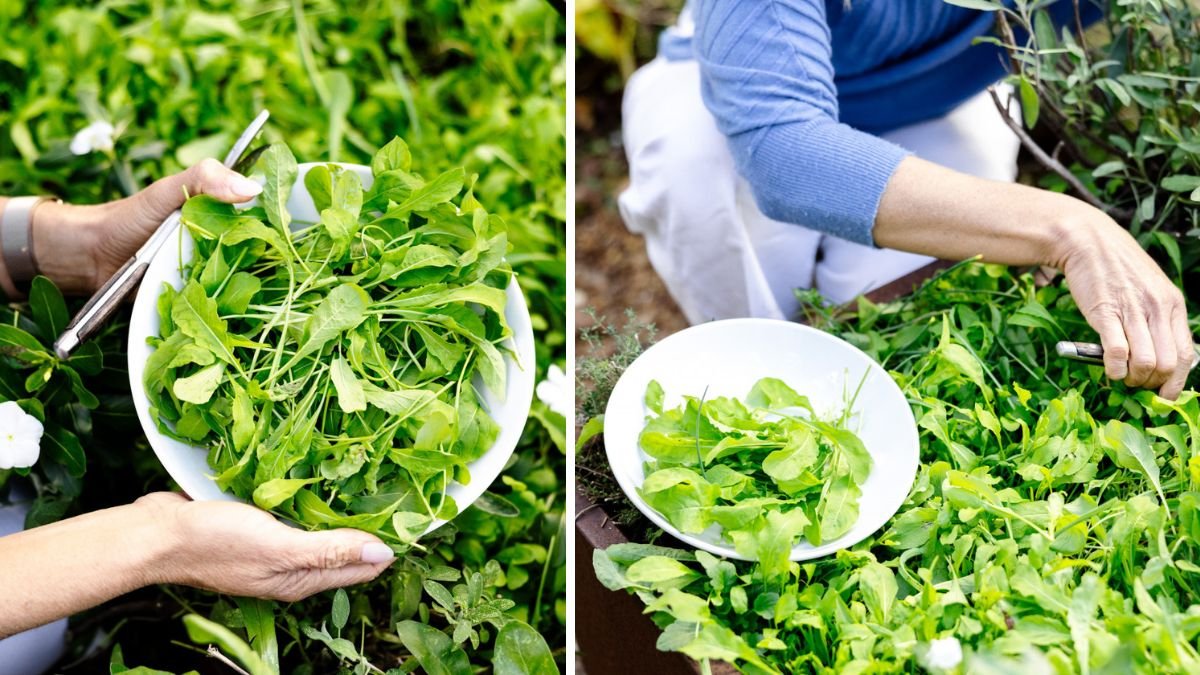
Arugula, also known as rocket or roquette, is a leafy green vegetable that adds a peppery flavor to salads, sandwiches, and various dishes. This nutritious green has gained popularity in recent years due to its unique taste, health benefits, and ease of cultivation. Whether you’re an experienced gardener or a beginner, growing arugula in your home garden can provide fresh greens year-round. This guide will walk you through everything you need to know about growing arugula, from choosing the right variety to harvesting and storing your crop.
Why Grow Arugula?
Latest Posts
- With Just 1 Bottle of Water How I Was Shocked by What Happened When Growing Vegetables
- Maximize Your Home Garden with the Hanging Pea Sprout Growing Model – Space-Saving, High-Yield, and Easy-to-Manage Vertical Gardening Solution
- Just Water – The Secret to Growing Plump, White Peanut Sprouts Right at Home: A Step-by-Step Guide for Beginners
- Growing Zucchini at Home in a Container: How to Cultivate Large, Long Fruits with a 1-to-72 Day Step-by-Step Diary for Maximum Yield
- Grow Long Beans on the Terrace in Used Recycling Baskets: The Ultimate Guide to Easy, Space-Saving, and High-Yield Terrace Gardening
- How to Grow Tons of Long Beans Easily Without a Garden – A Complete Guide to Growing Healthy Yardlong Beans Without Fertilizers or Pesticides
- Easy Long Bean Growing Trick – No Garden, No Fertilizer, No Pesticide
- Grow Bitter Melon in Bottles — Harvest So Big You Can’t Eat It All! The Ultimate Guide to Bottle Gardening for Maximum Yields
- Growing Garlic Made Easy: No Soil, Fast Results – The Ultimate Guide to Growing Fresh Garlic Indoors Without Traditional Soil
- Wall-Mounted Hydroponic Watermelon System: Grow Large, Juicy, and Delicious Watermelons at Home with Minimal Space and Maximum Yield
-
Nutritious: Arugula is packed with vitamins A, C, K, and folate, along with antioxidants and fiber. Incorporating it into your diet can significantly contribute to overall health.
-
Fast Growth: With a quick growth cycle—typically just 30 to 60 days from seed to harvest—arugula is perfect for those who want rapid rewards from their gardening efforts.
-
Versatility: Arugula can be used in salads, soups, pizza, and even as a garnish for various dishes. Its distinctive flavor enhances many culinary creations.
-
Cold Tolerance: Arugula can be grown in cooler temperatures, allowing for planting in early spring and late fall, making it a great choice for year-round gardening.
Selecting the Right Variety
There are several types of arugula, each offering a unique flavor profile and leaf texture. Below are some popular varieties:
-
Salad Rocket (Arugula): This is the most commonly grown type, featuring tender, slightly jagged leaves that are excellent for salads.
-
Wild Arugula (Eruca sativa): This variety has a more intense flavor with a spicy bite, perfect for those who prefer a stronger taste.
-
Astro: This fast-growing variety is known for its mild flavor and resistance to bolting, making it an excellent choice for home gardens.
-
Green Wave: This variety has frilled leaves that are crunchy and flavorful, ideal for salads and garnishes.
-
Roquette: Slightly more tolerant to heat, roquette is great for summer planting and has a soft, nutty flavor.
Consider your palate and gardening conditions when selecting an arugula variety to plant.
Preparing the Garden Bed
Location
Arugula thrives best in well-drained soil with plenty of sunlight. Aim for a location that receives at least 6-8 hours of sun each day. However, arugula can tolerate partial shade, especially in hotter climates.
Soil Requirements
-
Soil Composition: The ideal soil for growing arugula should be rich in organic matter. A mixture of loamy soil with well-rotted compost will improve soil structure and fertility.
-
pH Level: Arugula prefers a slightly acidic to neutral pH (around 6.0-7.0). Testing the soil pH can help you amend it accordingly.
-
Nutrient Needs: Before planting, incorporate a balanced organic fertilizer into the soil to provide the necessary nutrients for optimal growth.
Tilling and Preparing
-
Tilling: Turn the soil to a depth of at least 12 inches to break up any compacted layers.
-
Leveling: Rake the soil to create a smooth surface, making it easy to sow seeds evenly.
-
Moisture: Ensure the soil is adequately moist, but not soggy, before planting.
Sowing Arugula Seeds
Timing
- Spring Planting: Start sowing seeds outdoors after the last frost date in your area.
- Fall Planting: For a continuous supply of greens, sow seeds again in late summer for a fall harvest.
Direct Sowing
- Seed Spacing: Sow seeds about 1/4 inch deep and spaced 1 inch apart in rows that are 12-18 inches apart.
- Thinning: Once seedlings have emerged and are about 2-3 inches tall, thin them to 6 inches apart to allow for proper air circulation and growth.
Container Gardening
If space is limited, arugula can also be grown in containers. Use a pot that is at least 8 inches deep and filled with quality potting soil. Ensure drainage holes are present to avoid waterlogging.
Caring for Your Arugula
Watering
Keep the soil evenly moist but not waterlogged. Water regularly, especially during dry spells, to promote tender leaf growth. A drip irrigation system or soaker hose can be beneficial.
Weeding
Regularly check for weeds, as they compete for nutrients, water, and light. Hand-pulling is effective, especially if done while the weeds are young.
Fertilizing
Apply a balanced organic fertilizer every 4-6 weeks during the growing season to replenish nutrients.
Pest Control
Arugula is vulnerable to pests like aphids, cabbage loopers, and flea beetles. Implement the following measures to protect your plants:

-
Handpicking: Remove larger pests by hand.
-
Neem Oil: A natural solution, neem oil can deter pests without harming beneficial insects.
-
Companion Planting: Interplanting with strong-smelling herbs like basil can help repel pests.
Disease Management
Arugula can be susceptible to diseases like downy mildew and powdery mildew. To minimize risks:
-
Air Circulation: Ensure proper spacing between plants for good airflow.
-
Avoid Overhead Watering: Water at the base of the plants to keep leaves dry.
Harvesting Arugula
When to Harvest
Arugula can be harvested at any stage, from baby leaves to fully mature plants.
-
Baby Leaves: Pick baby leaves at around 25 days after sowing for a tender salad addition.
-
Mature Leaves: Allow plants to grow for about 40-60 days for larger, fuller leaves.
How to Harvest
Use scissors to snip the outer leaves first when harvesting, leaving the inner leaves to continue growing. Always harvest in the morning when leaves are crisp and full of moisture.
Multiple Harvests
Arugula is a cut-and-come-again crop, meaning you can potentially harvest multiple times from a single plant if you cut above the base rather than pulling the whole plant.
Storing Arugula
Short-term Storage
Freshly harvested arugula can be stored in the refrigerator:
-
Washing: Gently rinse leaves to remove dirt.
-
Drying: Pat them dry with a towel or use a salad spinner to remove excess moisture.
-
Storage: Place leaves in a breathable container lined with paper towels to absorb humidity.
Freezing
For long-term storage, arugula can be frozen:
-
Blanching: Briefly blanch leaves in boiling water for 2-3 minutes, then plunge them into ice water.
-
Drying: Drain and dry the leaves before packing them in airtight freezer bags.
-
Labeling: Label bags with the date to track freshness.
FAQs
1. What are the best temperatures for growing arugula?
Arugula grows best in temperatures between 45°F and 75°F. It can tolerate slight frost and heat but may bolt in extreme conditions.
2. How often should I water my arugula?
Water arugula regularly, keeping the soil consistently moist but not waterlogged. In hot weather, you may need to water more frequently.
3. Can I grow arugula indoors?
Yes, arugula can be grown indoors with adequate light from grow lights or sunny windowsills. Use containers with drainage and quality potting soil.
4. Why do my arugula plants bolt?
Bolting occurs when arugula is stressed by heat or insufficient moisture. Select bolt-resistant varieties and plant during cooler seasons to reduce this risk.
5. What can I plant alongside arugula?
Good companion plants include onions, carrots, and tomatoes, which can help deter pests and maximize space.
6. How can I prevent pests from damaging my arugula?
Maintaining healthy plants through proper care and using natural deterrents like neem oil can help. Attracting beneficial insects, like ladybugs, can also minimize pest populations.
Conclusion
Growing arugula in your home garden is a rewarding endeavor that brings fresh, nutritious greens to your table year-round. With its quick growth, ease of care, and culinary versatility, arugula is an excellent choice for gardeners of all levels. By following the guidelines outlined in this guide, you’ll be well on your way to enjoying your very own home-grown arugula, enhancing your meals and overall health. Happy gardening!