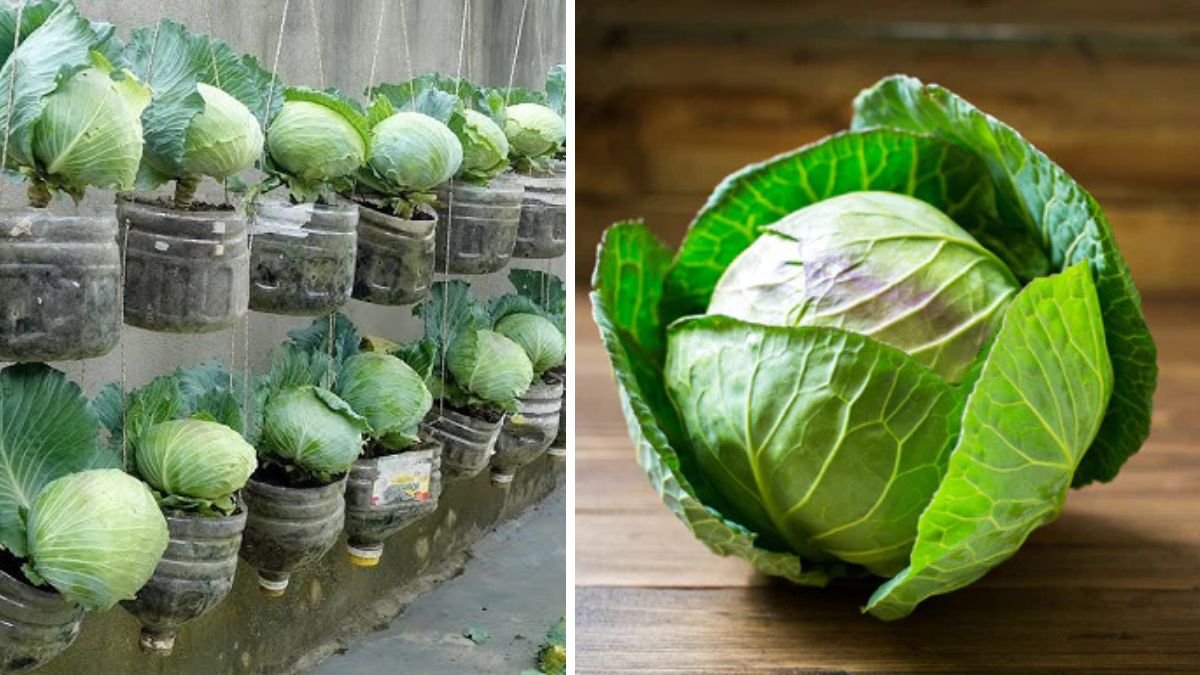
Growing cabbage in containers is an excellent way to ensure a steady supply of fresh, crunchy, and nutritious greens right from your home. Whether you’re an experienced gardener or a beginner with limited space, cabbage can be cultivated successfully in a variety of containers. In this comprehensive guide, we will cover everything you need to know about growing cabbage in containers, including choosing the right container, selecting the best cabbage varieties, ensuring optimal soil and watering practices, managing pests and diseases, and offering tips for year-round growing.
1. Why Grow Cabbage in Containers?
Containers provide a controlled environment for growing plants and offer several advantages:
Latest Posts
- With Just 1 Bottle of Water How I Was Shocked by What Happened When Growing Vegetables
- Maximize Your Home Garden with the Hanging Pea Sprout Growing Model – Space-Saving, High-Yield, and Easy-to-Manage Vertical Gardening Solution
- Just Water – The Secret to Growing Plump, White Peanut Sprouts Right at Home: A Step-by-Step Guide for Beginners
- Growing Zucchini at Home in a Container: How to Cultivate Large, Long Fruits with a 1-to-72 Day Step-by-Step Diary for Maximum Yield
- Grow Long Beans on the Terrace in Used Recycling Baskets: The Ultimate Guide to Easy, Space-Saving, and High-Yield Terrace Gardening
- How to Grow Tons of Long Beans Easily Without a Garden – A Complete Guide to Growing Healthy Yardlong Beans Without Fertilizers or Pesticides
- Easy Long Bean Growing Trick – No Garden, No Fertilizer, No Pesticide
- Grow Bitter Melon in Bottles — Harvest So Big You Can’t Eat It All! The Ultimate Guide to Bottle Gardening for Maximum Yields
- Growing Garlic Made Easy: No Soil, Fast Results – The Ultimate Guide to Growing Fresh Garlic Indoors Without Traditional Soil
- Wall-Mounted Hydroponic Watermelon System: Grow Large, Juicy, and Delicious Watermelons at Home with Minimal Space and Maximum Yield
- Space Efficiency: Ideal for small gardens, patios, or balconies.
- Mobility: Easily move containers to optimize sunlight or protect plants from adverse weather.
- Soil Control: You can customize soil mix to suit cabbage’s needs.
Growing cabbage in containers allows you to enjoy fresh produce regardless of soil quality or garden space limitations.
2. Choosing the Right Container
When selecting a container for growing cabbage, consider the following factors:
Size
Cabbage roots need sufficient space to grow. The minimum size for a container is 5 gallons (approximately 19 liters). Larger containers (10-15 gallons) are even better, as they allow for more soil and nutrient retention.
Material
Containers can be made from various materials, including:
- Plastic: Lightweight, affordable, and often comes with drainage holes.
- Clay: Offers good aeration but can dry out quickly.
- Wood: Provides excellent insulation but can rot over time if not treated properly.

Make sure your chosen container has adequate drainage holes to prevent waterlogging.
Height
Cabbage has deep roots, so a container with some depth is ideal. A height of at least 12 inches (30 cm) is recommended.
3. Selecting the Right Cabbage Varieties
Selecting the appropriate cabbage varieties is crucial for your success. Some varieties grow better in container conditions:
1. Green Cabbage
This is the most common type and comes in varieties such as ‘Green Acre’ and ‘Savoy’.
2. Red Cabbage
Known for its vibrant color and nutritional benefits, red cabbage varieties like ‘Red Acre’ thrive well in containers.
3. Napa Cabbage
Also known as Chinese cabbage, varieties like ‘Napa’ are suited for container gardening and have a unique flavor profile.
4. Savoy Cabbage
This variety is characterized by wrinkled leaves and is usually sweeter than standard green cabbage. ‘Savoy’ can thrive well in pots.
4. Essential Growing Conditions

To cultivate cabbage successfully in containers, you need to understand the essential growing conditions.
Sunlight
Cabbage requires full sun for optimal growth, which means at least 6-8 hours of direct sunlight daily. For best results, place your containers in a sunny spot or consider using reflective surfaces to enhance light exposure.
Soil
Cabbage prefers fertile, well-draining soil rich in organic matter. Make your own potting mix combining:
- 1 part peat moss or coconut coir
- 1 part compost
- 1 part perlite or vermiculite
This mix provides excellent drainage and nutrient retention.
pH Level
Cabbage grows best in soil with a pH between 6.0 and 7.0. You can test your soil with a home testing kit and amend it with lime or sulfur to adjust the pH as needed.
5. Planting Cabbage
When to Plant
- Spring Planting: Start seeds indoors 6-8 weeks before the last frost date or sow directly outside when the ground temperature reaches 45°F (7°C).
- Fall Planting: Start seeds indoors 12-14 weeks before the first frost. Cabbage can withstand light frosts, making fall a good time for a second crop.
Sowing

If starting from seeds, plant them about ¼ to ½ inch deep. Thin seedlings to achieve a spacing of 12-18 inches apart once they are a few inches tall. For transplants, bury the root ball slightly deeper than it was in its original container.
6. Watering and Fertilizing
Watering
Cabbage requires consistent moisture, but not sogginess. Water deeply at least once a week, and more frequently during hot, dry spells. When your outer leaves start to wilt, it’s a sign that they need water.
Fertilizing
Cabbage is a heavy feeder. Opt for a balanced fertilizer with equal parts nitrogen, phosphorus, and potassium (like a 10-10-10 formulation). Apply the fertilizer every 4-6 weeks during the growing season. Organic options include:
- Fish emulsion
- Liquid seaweed
Mulching
Applying mulch around cabbage can help retain moisture and regulate soil temperature. Organic mulches like straw or shredded leaves work well.
7. Managing Pests and Diseases
Cabbage can fall victim to various pests and diseases. Be vigilant and take steps to manage them effectively:
Common Pests
- Cabbage Worms: Handpick or use neem oil for severe infestations.
- Aphids: Spray with a water hose or insecticidal soap.
- Fleabeetles: Use row covers to protect young plants.

Common Diseases
- Downy Mildew: Ensure good air circulation and avoid overhead watering.
- Clubroot: Use disease-resistant varieties and rotate crops annually.
8. Harvesting Cabbage
Cabbage is typically ready to harvest when the heads feel firm when squeezed. This can range from 70 to 120 days depending on the variety. Cut the head cleanly from the stem using a sharp knife.
After Harvest Care
If you notice that they aren’t fully mature, you can leave them in the container for a little longer, but be cautious—overripe heads can split.
9. Year-Round Growing Tips
Protecting Plants
For growing cabbage year-round, consider these tips:
- In colder climates: Use frost blankets to protect plants during winter.
- In warmer climates: Provide shade cloth during hot summer months.
- Indoor Growing: Using grow lights can help if sunlight is limited.
Successive Plantings
Plan to stagger your planting every few weeks, so you continually harvest fresh cabbage. This approach not only extends the season but also ensures a variety of sizes and flavors.
FAQs
1. How much sunlight do cabbage plants need?

Cabbage requires 6-8 hours of full sunlight each day for optimal growth.
2. Can I grow cabbage in a smaller container?
While a minimum of 5 gallons is ideal, smaller containers are possible but may require more frequent watering and fertilization.
3. What’s the best temperature for growing cabbage?
Cabbage can grow in a range from 45°F to 75°F (7°C to 24°C). They thrive best in cool weather.
4. How often should I water cabbage plants?
Water your cabbage once a week, but check the soil’s moisture regularly. If the leaves begin to droop, it’s time to water.
5. What are the signs of nutrient deficiency in cabbage?
Yellowing leaves can indicate nitrogen deficiency, while purpling could signify a phosphorus deficiency.
6. Can I save seeds from cabbage?
Yes, but saving seeds from hybrid varieties may not yield true-to-type plants, so stick to heirloom varieties if you’re planning to save seeds.
7. What’s the best way to harvest cabbage?
Harvest by cutting the head from the stem with a sharp knife when it feels firm to the touch.
Conclusion
Growing cabbage in containers is a rewarding endeavor that allows you to enjoy fresh produce throughout the year. By understanding the nuances of planting, care, and harvesting, you can cultivate a bountiful crop in limited space. With the knowledge provided in this guide, you’re well-equipped to embark on your cabbage-growing journey and savor the taste of homegrown goodness!