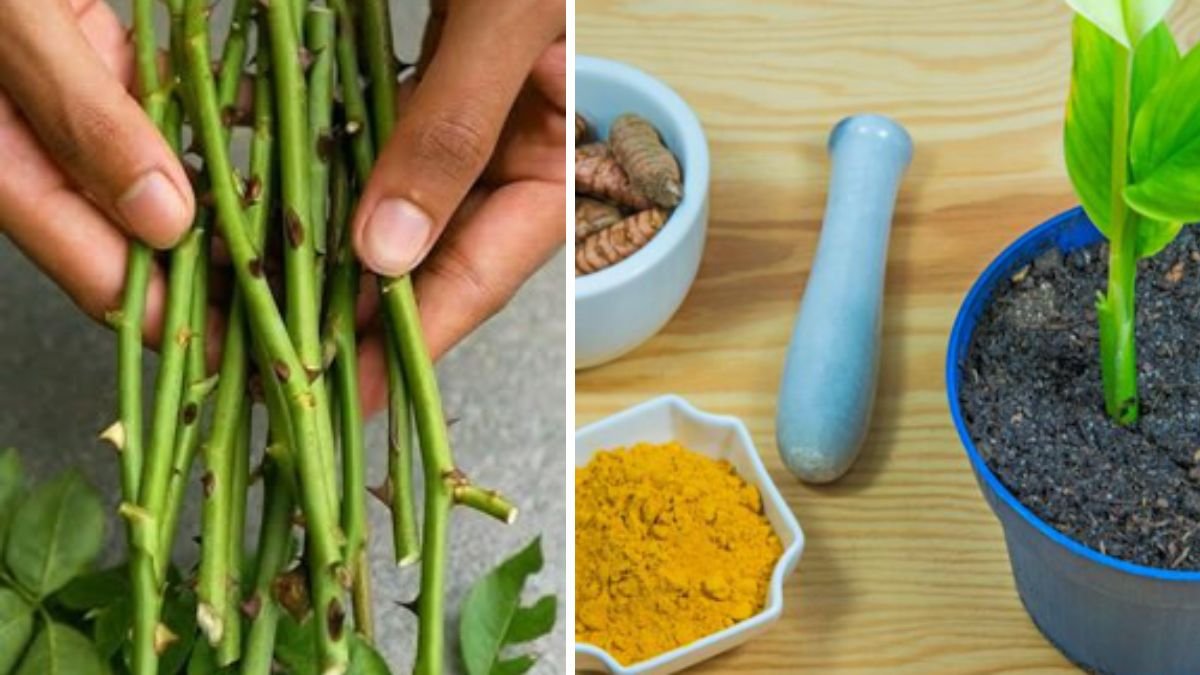
Hibiscus is a stunning flowering plant admired for its vibrant blooms and delicate foliage. Known for their beauty and cultural significance in many regions, these plants are popular in gardens and as ornamental houseplants. Propagating hibiscus cuttings is a rewarding experience, allowing enthusiasts to expand their collection effortlessly. One emerging method is incorporating turmeric powder into the rooting process. This article delves into the benefits of using turmeric in hibiscus propagation, how it works, and practical steps to achieve flourishing plants.
Understanding Hibiscus and Its Propagation
Hibiscus plants belong to the Malvaceae family and come in various species—each exhibiting unique characteristics. The most common types include:
Latest Posts
- With Just 1 Bottle of Water How I Was Shocked by What Happened When Growing Vegetables
- Maximize Your Home Garden with the Hanging Pea Sprout Growing Model – Space-Saving, High-Yield, and Easy-to-Manage Vertical Gardening Solution
- Just Water – The Secret to Growing Plump, White Peanut Sprouts Right at Home: A Step-by-Step Guide for Beginners
- Growing Zucchini at Home in a Container: How to Cultivate Large, Long Fruits with a 1-to-72 Day Step-by-Step Diary for Maximum Yield
- Grow Long Beans on the Terrace in Used Recycling Baskets: The Ultimate Guide to Easy, Space-Saving, and High-Yield Terrace Gardening
- How to Grow Tons of Long Beans Easily Without a Garden – A Complete Guide to Growing Healthy Yardlong Beans Without Fertilizers or Pesticides
- Easy Long Bean Growing Trick – No Garden, No Fertilizer, No Pesticide
- Grow Bitter Melon in Bottles — Harvest So Big You Can’t Eat It All! The Ultimate Guide to Bottle Gardening for Maximum Yields
- Growing Garlic Made Easy: No Soil, Fast Results – The Ultimate Guide to Growing Fresh Garlic Indoors Without Traditional Soil
- Wall-Mounted Hydroponic Watermelon System: Grow Large, Juicy, and Delicious Watermelons at Home with Minimal Space and Maximum Yield
- Hibiscus rosa-sinensis (Chinese Hibiscus)
- Hibiscus syriacus (Rose of Sharon)
- Hibiscus sabdariffa (Roselle)
Hibiscus plants can be propagated through two primary methods: seeds and cuttings. While both methods are effective, propagating through cuttings tends to yield faster results, allowing gardeners to clone specific varieties with desirable traits.
In typical propagation, cuttings are taken from healthy, disease-free parent plants. Successful rooting and growth depend on various factors like humidity, temperature, and nutrients. This is where turmeric powder comes into play.
The Role of Turmeric Powder in Plant Propagation
Turmeric, derived from the Curcuma longa plant, has been cherished for centuries not just for its culinary uses but also for its medicinal properties. Recently, its application in gardening has gained traction, particularly as a rooting hormone alternative.
1. Natural Fungicide
One of the most significant advantages of using turmeric powder in plant propagation is its antifungal properties. When applied to the cut ends of hibiscus cuttings, turmeric creates a protective barrier against pathogens that may hinder the rooting process. This is particularly important, as cuts can become susceptible to rotting if exposed to excessive moisture and fungi.
2. Encouragement of Root Growth
Turmeric contains bioactive compounds such as curcumin, which may promote root development. By enhancing cellular activity and nutrient absorption, turmeric can facilitate faster and more substantial root growth. This results in healthier plants that are more resilient to environmental stressors.
3. Antioxidant Properties
The antioxidant properties of turmeric help combat oxidative stress in plants. When cuttings are exposed to air, they may undergo oxidative processes leading to damage. Turmeric’s antioxidants can neutralize these effects, ensuring that the cuttings maintain their vitality and continue to grow.
4. Promotes Overall Plant Health
Incorporating turmeric powder into the propagation process can enhance overall plant health. It can improve nutrient uptake and enhance the plant’s natural defenses against pests and diseases, allowing for more robust and vigorous growth.
How to Use Turmeric Powder in Hibiscus Propagation
Using turmeric powder in propagating hibiscus cuttings is a straightforward process. Here’s a step-by-step guide:
Step 1: Select Healthy Cuttings
Choose healthy, disease-free stems from an existing hibiscus plant. Ideal cuttings should be 6 to 8 inches long and contain at least two to three leaf nodes.
Step 2: Prepare the Cuttings
Cut the stem at a 45-degree angle using sterilized scissors or pruning shears. This angle increases surface area for rooting. Remove any leaves from the lower half of the cutting to reduce transpiration.
Step 3: Apply Turmeric Powder
Dip the cut end of each hibiscus cutting into a small amount of turmeric powder. Ensure it is sufficiently coated. This creates a protective layer that will help prevent rot and disease.
Step 4: Plant the Cuttings
Insert the turmeric-coated end into a well-draining propagation medium, such as a mix of potting soil and perlite or vermiculite. Plant the cuttings at a depth of about 2 inches to ensure stability.
Step 5: Water and Maintain Humidity
After planting the cuttings, water them gently using a spray bottle to avoid displacing the soil. Cover the pots with a clear plastic bag or a propagation dome to maintain humidity. Ensure there are small vents for air circulation to prevent mold buildup.
Step 6: Provide Ideal Conditions
Place the pots in a warm, brightly lit area, avoiding direct sunlight, which can stress the cuttings. Maintain a temperature between 70°F to 85°F (21°C to 29°C) for optimal growth.
Step 7: Monitor and Wait
Regularly check for moisture levels and mist the cuttings as needed. In about 4 to 6 weeks, roots ought to begin forming. You can gently tug on the cuttings to check for resistance, indicating root development.
Step 8: Transplanting
Once the cuttings have established roots, they can be transplanted into larger pots or directly into the garden. Continue caring for them as you would for mature hibiscus plants, ensuring they receive adequate sunlight, water, and nutrients.
Benefits of Growing Hibiscus with Turmeric Powder
Improved Success Rates
Using turmeric significantly increases the success rate of rooting hibiscus cuttings. The combination of antifungal properties and growth-stimulating compounds creates an optimal environment for roots to form.
Healthier Plants
Plants propagated with turmeric tend to be healthier and more resilient. They are less prone to diseases thanks to the protective barrier turmeric provides, leading to robust growth over time.
Eco-Friendly Gardening
Utilizing turmeric as a rooting hormone is an organic and eco-friendly approach. Unlike synthetic hormones, turmeric is a natural product that enriches the soil without introducing harmful chemicals.
Cost-Effective
Purchasing commercial rooting hormones can be costly. Turmeric powder, on the other hand, is relatively inexpensive and readily available, making it an economical choice for gardeners.
FAQs About Using Turmeric Powder in Propagating Hibiscus Cuttings
Q1: Can I use turmeric powder on other plants?
A: Yes! Turmeric powder can be beneficial for propagating various plants, especially those that are prone to rot or fungal issues. However, it’s essential to research specific needs for each plant species.
Q2: How often should I reapply turmeric?
A: You don’t need to reapply turmeric once the cuttings are planted. The initial application should suffice for the rooting process.
Q3: What if I can’t find turmeric powder?
A: If turmeric powder is unavailable, you can try cinnamon as an alternative; it has similar antifungal properties and can provide some protection against rot.
Q4: Is turmeric safe for all gardeners?
A: Generally, turmeric is safe, but some individuals may be sensitive or allergic to it. If you have concerns, consider wearing gloves while handling it.
Q5: How do I know when my cuttings are ready to transplant?
A: Look for resistance when gently tugging on the cuttings. If they show some resistance, they’ve likely developed sufficient roots. Additionally, new growth or leaves may appear, indicating they are ready for transplanting.
Conclusion
Using turmeric powder in propagating hibiscus cuttings offers numerous advantages that enhance the success rate and health of the plants. By understanding how turmeric works and applying it correctly, gardeners can achieve flourishing hibiscus plants that brighten any space. This natural approach not only fosters a healthy garden but also aligns with eco-friendly gardening practices. Whether you’re a seasoned gardener or a novice, incorporating turmeric into your propagation process can yield wonderful results and grow your love for hibiscus even further.