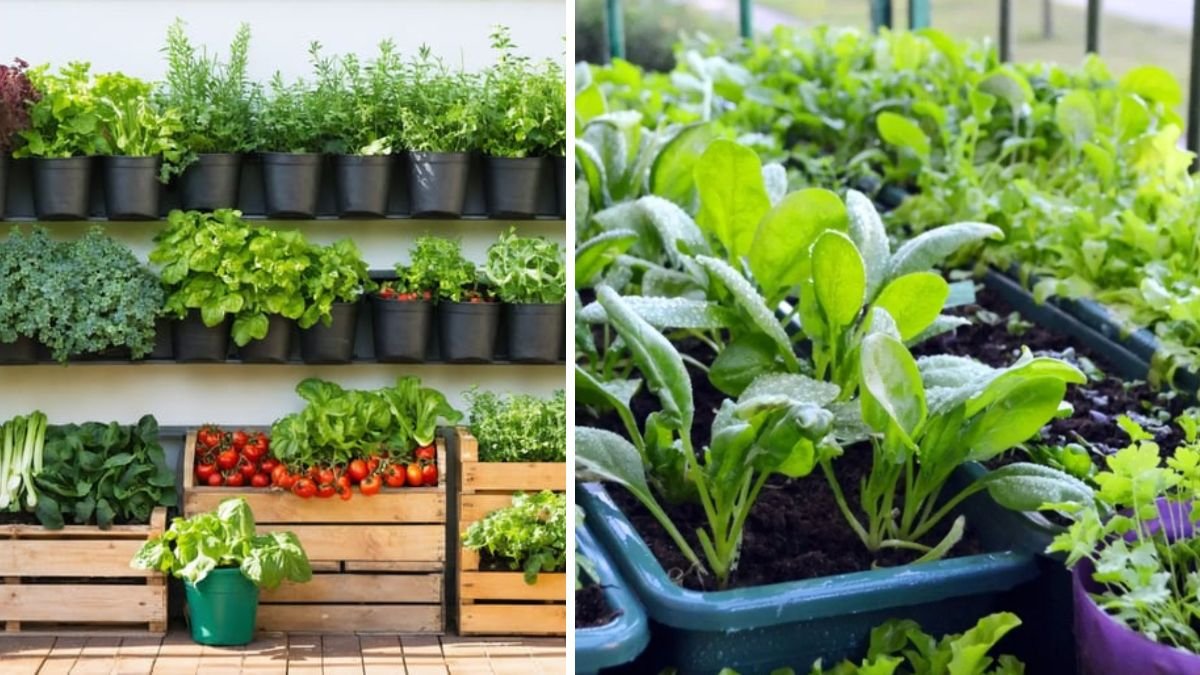
Gardening has long been a cherished pastime, offering both physical activity and a connection to nature. However, for many, limited space poses a significant challenge. Whether you’re in an urban apartment or have a small backyard, container gardening allows you to cultivate fresh vegetables right outside your door. This ultimate guide will take you through the essentials of growing a thriving vegetable garden in containers, from selecting the right plants to tips and common mistakes to avoid.
Why Container Gardening?
- With Just 1 Bottle of Water How I Was Shocked by What Happened When Growing Vegetables
- Maximize Your Home Garden with the Hanging Pea Sprout Growing Model – Space-Saving, High-Yield, and Easy-to-Manage Vertical Gardening Solution
- Just Water – The Secret to Growing Plump, White Peanut Sprouts Right at Home: A Step-by-Step Guide for Beginners
- Growing Zucchini at Home in a Container: How to Cultivate Large, Long Fruits with a 1-to-72 Day Step-by-Step Diary for Maximum Yield
- Grow Long Beans on the Terrace in Used Recycling Baskets: The Ultimate Guide to Easy, Space-Saving, and High-Yield Terrace Gardening
- How to Grow Tons of Long Beans Easily Without a Garden – A Complete Guide to Growing Healthy Yardlong Beans Without Fertilizers or Pesticides
- Easy Long Bean Growing Trick – No Garden, No Fertilizer, No Pesticide
- Grow Bitter Melon in Bottles — Harvest So Big You Can’t Eat It All! The Ultimate Guide to Bottle Gardening for Maximum Yields
- Growing Garlic Made Easy: No Soil, Fast Results – The Ultimate Guide to Growing Fresh Garlic Indoors Without Traditional Soil
- Wall-Mounted Hydroponic Watermelon System: Grow Large, Juicy, and Delicious Watermelons at Home with Minimal Space and Maximum Yield
- Space Efficiency: Container gardening maximizes limited spaces, making it ideal for patios, balconies, and small yards.
- Soil Control: You can control the soil quality in containers, leading to healthier plants.
- Mobility: Containers can be moved to capture sunlight or shield from harsh weather.
- Fewer Weeds: Container gardens typically have fewer weed issues, saving time and effort.
Latest Posts
Step-by-Step Guide to Growing Vegetables in Containers
1. Choose the Right Containers
When starting your container garden, selecting the right containers is crucial. Here’s what to consider:
- Size: Larger containers are generally better, as they can hold more soil and moisture. For most vegetables, a container should be at least 12 inches in diameter and depth.
- Material: Common container materials include plastic, clay, and wood. Plastic is lightweight and retains moisture well; clay is attractive but can dry out quickly; wood is durable but may require treatment to prevent rot.
- Drainage: Ensure your containers have drainage holes to prevent waterlogging, which can lead to root rot.
2. Selecting Soil for Container Gardening
The type of soil you choose is vital for the health of your plants.
- Potting Mix: Always opt for a high-quality potting mix specifically formulated for container gardening. Unlike garden soil, potting mix provides better aeration, drainage, and nutrient retention.
- Additives: Consider adding perlite or vermiculite to improve drainage and aeration. Compost can also enrich the soil with nutrients.
3. Choosing the Right Vegetables
When picking vegetables for your container garden, consider the following:
- Space Requirements: Smaller vegetables like radishes, lettuce, and herbs are great for limited spaces. Larger plants like tomatoes and peppers require more room.
- Growth Habit: Choose compact or indeterminate varieties for shrubs and vining plants that can be trellised. For example, “determinate” tomatoes grow in a bush form and are suitable for smaller containers.
- Climate: Research which vegetables thrive in your local climate. Cool-season crops like lettuce and spinach flourish in spring and fall, while warm-season crops like cucumbers and peppers are best in the summer.
4. Planting Techniques
Proper planting techniques can make or break your success in container gardening.
- Spacing: Follow spacing guidelines on seed packets or plant tags. Overcrowding can lead to poor air circulation and disease.
- Depth: Ensure the seeds or young plants are planted at the appropriate depth, which is typically indicated on the seed packet.
- Watering: Water thoroughly after planting. For containers, the soil may dry out more quickly, so be attentive to moisture levels.
5. Watering Your Container Garden
The frequency of watering depends on several factors:
- Container Size: Larger containers retain moisture longer than smaller ones.
- Plant Type: Vegetables with higher water needs (like tomatoes) require more frequent watering.
- Climate: Hot, dry weather will cause the soil to dry out faster. Check daily and water when the top inch of soil feels dry.
6. Fertilizing for Optimal Growth
Container plants rely on you for their nutrients, as they’re limited to the soil in your containers.
- Balanced Fertilizer: Use a balanced, slow-release fertilizer formulated for vegetables. Granular options can be mixed into the soil at planting time.
- Liquid Fertilizer: Consider using liquid fertilizer every few weeks to boost nutrient levels, especially during active growth periods.
7. Managing Pests and Diseases
Container gardening can minimize pest problems, but vigilance is key.
- Inspect Regularly: Check plants frequently for signs of insects or diseases.
- Natural Solutions: Use insecticidal soap or neem oil for soft-bodied pests. You can also introduce beneficial insects like ladybugs to your garden.
- Cultural Practices: Rotate crops if you have multiple containers to reduce disease buildup.
8. Supporting Your Plants
Some plants require support as they grow, especially vining varieties.
- Trellis: Use a trellis for climbing plants like cucumbers or beans. This not only saves space but also allows better air circulation.
- Cages: Tomato cages can provide necessary support for growing tomatoes and peppers.
9. Seasonal Care and Maintenance
Each season brings unique challenges and opportunities.
- Spring: This is a great time to start planting cool-season crops. Prepare your containers by refreshing the soil if they were used during the previous season.
- Summer: Ensure regular watering and fertilization. Harvest promptly to encourage further production.
- Fall/Winter: If you live in a milder climate, you can extend the growing season by using protective covers or moving pots closer to the house.
10. Harvesting
The joy of gardening culminates in harvesting your vegetables.
- Timing: Harvesting at the right time ensures the best flavor and texture. For instance, lettuce and spinach should be picked when they reach a desirable size but before they bolt.
- Method: Use clean, sharp scissors or shears to harvest your vegetables carefully, minimizing damage to the plant.
Common Mistakes to Avoid
- Overwatering: This is a common mistake in container gardening. Allowing the soil to dry out between waterings is essential.
- Ignoring Sunlight Needs: Different vegetables have varying sunlight requirements. Ensure that your containers are placed where they receive the right amount of light.
- Neglecting Fertilization: Remember, potted vegetables rely entirely on the nutrients you provide. Regularly check and replenish nutrients.
- Planting Too Many Seeds: Avoid overcrowding your containers. It’s better to have fewer healthy plants than many crowded ones.
FAQs
Q: Can I grow vegetables in small containers?
Yes, many vegetables can thrive in small containers as long as they have enough depth and soil. Herbs, lettuce, and radishes are great choices.
Q: How often should I water my container garden?
The frequency of watering depends on the container size, type of plants, and weather. Check the soil moisture daily and water when the top inch feels dry.
Q: What vegetables can I grow together in one container?
Companion planting can be beneficial. Common pairings include tomatoes with basil, lettuce with radishes, and peppers with onions.
Q: Do I need to fertilize my container garden?
Yes, container plants require regular fertilization as they depend on you for nutrients. A balanced slow-release fertilizer mixed into the soil at planting time is a good start.
Q: How can I extend the growing season for my container garden?
Consider using row covers or moving containers indoors during cold nights. In milder climates, you can continue growing some vegetables throughout fall and even winter.
Conclusion
Growing a vegetable garden in containers is not only feasible but can also be immensely rewarding, even in limited spaces. With careful planning, attention to detail, and a little patience, you can enjoy fresh produce right at your doorstep. Whether you want to grow a single pot of herbs or a whole selection of veggies, embrace the journey of container gardening. With each step, you’ll discover the joys of nurturing your plants and reaping the delicious rewards of your labor!