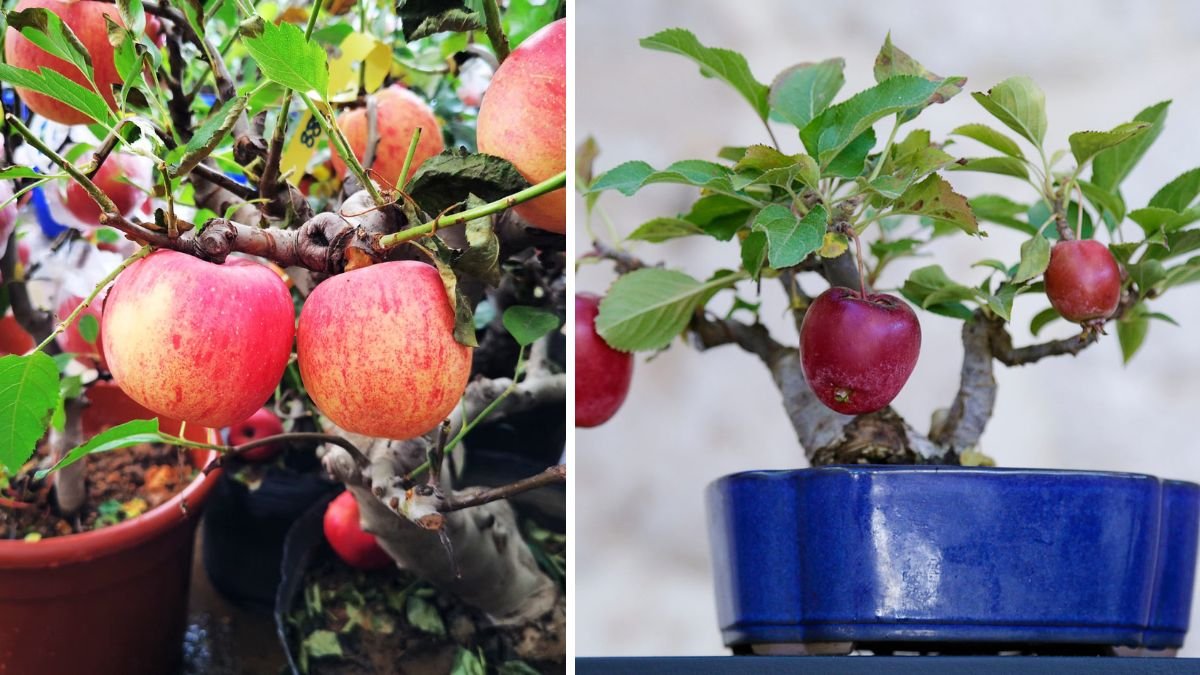
Growing an apple tree in a pot can be a rewarding venture for gardeners with limited space. Container gardening allows you to enjoy the benefits of fresh apples even if you live in small apartments or have compact yards. Here’s a comprehensive guide on how to successfully grow an apple tree in a pot, from choosing the right variety to maintaining it throughout the year.
Understanding Container Gardening
Container gardening involves growing plants in a pot or other container rather than in the ground. This method is excellent for those with limited space, whether you’re dealing with a balcony, patio, or small yard. Growing fruit trees in containers helps you control various factors, such as soil quality, watering needs, and pest management.
Latest Posts
- With Just 1 Bottle of Water How I Was Shocked by What Happened When Growing Vegetables
- Maximize Your Home Garden with the Hanging Pea Sprout Growing Model – Space-Saving, High-Yield, and Easy-to-Manage Vertical Gardening Solution
- Just Water – The Secret to Growing Plump, White Peanut Sprouts Right at Home: A Step-by-Step Guide for Beginners
- Growing Zucchini at Home in a Container: How to Cultivate Large, Long Fruits with a 1-to-72 Day Step-by-Step Diary for Maximum Yield
- Grow Long Beans on the Terrace in Used Recycling Baskets: The Ultimate Guide to Easy, Space-Saving, and High-Yield Terrace Gardening
- How to Grow Tons of Long Beans Easily Without a Garden – A Complete Guide to Growing Healthy Yardlong Beans Without Fertilizers or Pesticides
- Easy Long Bean Growing Trick – No Garden, No Fertilizer, No Pesticide
- Grow Bitter Melon in Bottles — Harvest So Big You Can’t Eat It All! The Ultimate Guide to Bottle Gardening for Maximum Yields
- Growing Garlic Made Easy: No Soil, Fast Results – The Ultimate Guide to Growing Fresh Garlic Indoors Without Traditional Soil
- Wall-Mounted Hydroponic Watermelon System: Grow Large, Juicy, and Delicious Watermelons at Home with Minimal Space and Maximum Yield
Benefits of Growing an Apple Tree in a Pot
- Space Efficiency: Perfect for urban gardeners or those with limited backyard space.
- Mobility: Pots can be relocated to take advantage of sunlight or to shelter plants from extreme weather.
- Soil Control: You control the type of soil, ensuring optimal growth conditions.
- Pest Management: Easier to monitor for pests and diseases.
Choosing the Right Apple Tree Variety
When selecting an apple tree for pot cultivation, consider the following factors:
1. Dwarf Varieties
Dwarf apple trees are ideal for container growth. They require less space and are easier to manage. Some popular dwarf apple tree varieties include:
- Honeycrisp: Known for its sweet flavor and crisp texture.
- Gala: A sweet and aromatic apple, perfect for eating fresh.
- Fuji: Known for its sweet taste and excellent storage qualities.
- Pixie Crunch: A newer variety that is small but flavorful.
2. Pollination Needs
Apple trees generally require cross-pollination to produce fruit. However, some dwarf varieties are self-pollinating. Here are a few recommendations:
- Self-Pollinating: ‘Granny Smith’, ‘Braeburn’
- Requires Pollination: ‘Fuji’, ‘Gala’
If you choose a non-self-pollinating variety, consider planting another apple tree nearby for pollination.
Selecting the Right Pot
1. Size Matters
Choose a pot that is at least 18 to 24 inches in diameter and 16 to 20 inches deep. This size will provide adequate space for root growth. As the tree matures, you may need to repot it into a larger container.
2. Material
Pots can be made from various materials, including plastic, ceramic, and wood. Ensure that the pot has drainage holes to prevent waterlogging, which can lead to root rot.
3. Weight Considerations
Consider the weight of the pot when it’s filled with soil and a mature tree. Moving heavy pots can be challenging, so choose a light but sturdy material.
Soil Requirements
1. Well-Draining Potting Mix
Use a high-quality potting mix designed for container gardening. The soil should be lightweight and well-draining to provide adequate aeration for the roots. You can create your own mix by combining:
- 50% potting soil
- 25% perlite or coarse sand (for drainage)
- 25% compost (for nutrients)
2. Soil pH
Apple trees prefer a slightly acidic to neutral pH, ideally between 6.0 and 7.0. You can test your soil using a home pH testing kit available at garden centers.
Planting Your Apple Tree
1. Timing
The best time to plant your apple tree is in early spring or fall when temperatures are milder. Avoid planting in extreme heat or cold, as this can stress the young tree.
2. Process
- Prepare the Pot: Start by adding a layer of small stones at the bottom of the pot to enhance drainage.
- Fill with Soil: Add the potting mix, leaving enough space at the top for the root ball of the tree.
- Plant the Tree: Remove the tree from its nursery pot and gently loosen any tightly bound roots. Place it in the pot and fill around it with more potting mix. Ensure the graft union (where the tree was grafted onto its rootstock) is above the soil line.
- Water Well: After planting, water thoroughly to eliminate air pockets.
Care and Maintenance
1. Watering
Containerized apple trees need regular watering, especially during dry periods. Water deeply but infrequently, allowing the top layer of soil to dry out between waterings. Signs of underwatering include wilting leaves and dry soil, while overwatering can lead to root rot.
2. Fertilizing
Apple trees in pots require regular feeding, as nutrients can deplete faster in containers. Use a balanced fertilizer (10-10-10) or one specifically formulated for fruit trees during the growing season (spring to mid-summer). Follow the package instructions for application rates.
3. Pruning
Pruning is essential for maintaining the shape and health of your apple tree. Here’s how to prune:
- First Year: Focus on training the tree to develop a good structure by pruning back the central leader and encouraging side branches.
- Subsequent Years: Regularly remove dead or diseased branches and thin out crowded areas to improve airflow. Prune during the winter when the tree is dormant.
4. Sunlight
Apple trees require full sun for optimal fruit production. Aim for at least 6 to 8 hours of direct sunlight a day. If you’re growing on a balcony or shaded area, consider using movable pots or planters.
5. Pest and Disease Management
Monitor your apple tree for common pests like aphids, spider mites, and codling moths. You can control pests using insecticidal soap or neem oil. For diseases such as powdery mildew or apple scab, maintain good airflow around the tree and remove any affected leaves.
Harvesting
Once your apple tree begins producing fruit, the anticipation of harvest is exciting! The time from flowering to fruiting varies by variety, but it usually takes about 3 to 5 years for dwarf trees to yield fruit.
Signs of Ripeness
- Color: The apples will change color based on the variety.
- Texture: When gently pressed, ripe apples should yield slightly.
- Separate Easily: Ripe apples should separate easily from the branch with a gentle twist.
FAQs
1. Can I grow an apple tree indoors?
Yes, while apple trees thrive outdoors, you can successfully grow them indoors if they receive adequate light and space.
2. How often should I repot my apple tree?
You may need to repot your apple tree every 2 to 3 years to provide fresh soil and additional space for root growth.
3. Why are my apple tree leaves turning yellow?
Yellowing leaves can indicate overwatering, underwatering, or nutrient deficiencies. Assess your watering practices and consider fertilizing.
4. Can I grow a single apple tree and still get fruit?
If your chosen variety is self-pollinating, you can grow a single tree. For non-self-pollinating varieties, you will need another apple tree nearby for pollination.
5. What is the best type of pot for growing an apple tree?
Terracotta pots are great because they are breathable, but they can be heavy. Plastic pots are lighter and retain moisture well. Choose a pot large enough (18-24 inches) and ensure it has good drainage.
Conclusion
Growing an apple tree in a pot is a fulfilling project that allows you to enjoy fresh apples even in limited spaces. With proper variety selection, potting, care, and maintenance, you can successfully cultivate a beautiful and fruitful apple tree in your home. Embrace the process, as the journey of nurturing a tree is as rewarding as the delicious fruit it will bear. Happy gardening!