Introduction
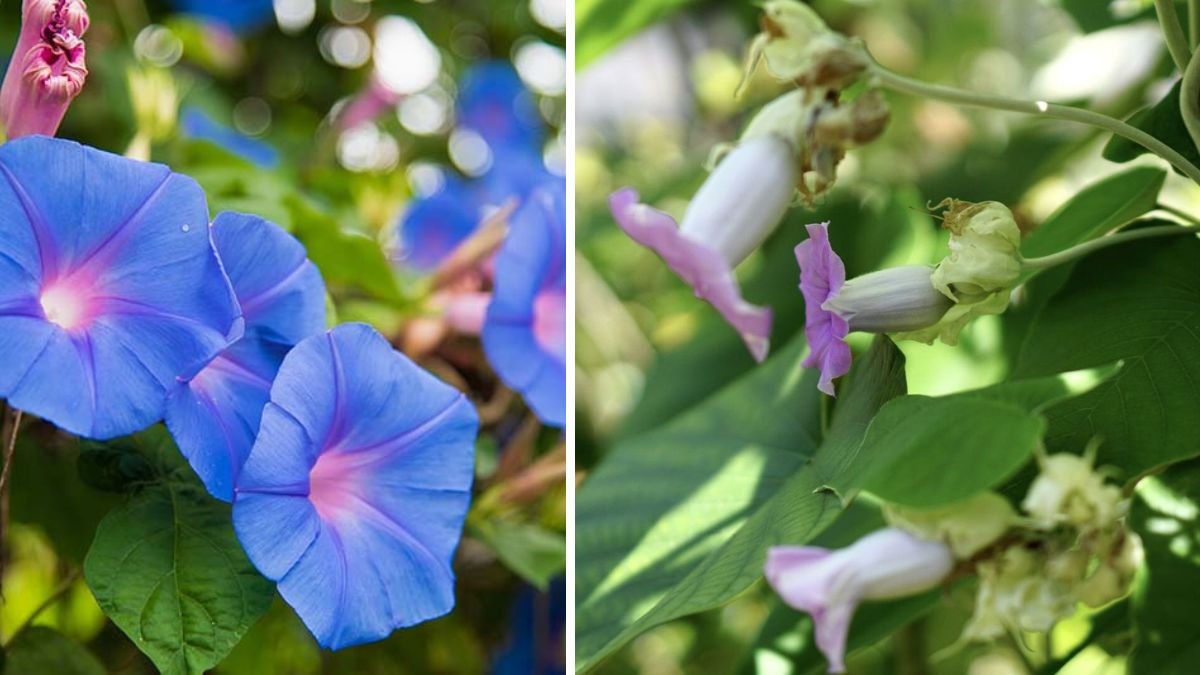
Morning glories (Ipomoea spp.) are vibrant, fast-growing vines that bring a touch of color and beauty to gardens and landscapes. Known for their enchanting, trumpet-shaped flowers that open with the sunrise, these plants are perfect for beginners looking to add magnificent blooms with minimal effort. This comprehensive guide will walk you through everything you need to know about growing morning glories from seed, from preparation to care and troubleshooting.
Understanding Morning Glory
Before diving into the details of growing morning glories, it’s essential to understand more about this plant. Morning glories are warm-weather annuals (in most regions) that come in various colors, including blue, pink, and white. They are known for their lush, heart-shaped leaves and vigorous growth, making them a popular choice for trellises, fences, or as ground cover.
Choosing the Right Seeds
Starting with quality seeds is crucial. Morning glory seeds can be found at garden centers, nurseries, or online. When selecting seeds, consider:
- Variety: There are many types of morning glories. Common varieties include Heavenly Blue, Scarlet O’Hara, and Grandpa Ott’s. Each variety has its unique color and growth pattern.
- Local climate: Ensure the variety you choose is suitable for your growing zone.
- Heirloom or hybrid: Heirloom varieties can be saved for future planting, while hybrids might provide more consistent blooms.
Preparing for Planting
1. Optimal Timing
Morning glories thrive in warm weather, so timing is key. Generally, plant seeds outdoors after the last frost date when the soil temperature is consistently around 65°F (18°C). In cooler climates, you can start seeds indoors 6-8 weeks before the last frost or directly sow them outdoors once the earth has warmed.

2. Soil Preparation
Morning glories prefer well-drained soil rich in organic matter. Here are steps to prepare your soil:
Latest Posts
- With Just 1 Bottle of Water How I Was Shocked by What Happened When Growing Vegetables
- Maximize Your Home Garden with the Hanging Pea Sprout Growing Model – Space-Saving, High-Yield, and Easy-to-Manage Vertical Gardening Solution
- Just Water – The Secret to Growing Plump, White Peanut Sprouts Right at Home: A Step-by-Step Guide for Beginners
- Growing Zucchini at Home in a Container: How to Cultivate Large, Long Fruits with a 1-to-72 Day Step-by-Step Diary for Maximum Yield
- Grow Long Beans on the Terrace in Used Recycling Baskets: The Ultimate Guide to Easy, Space-Saving, and High-Yield Terrace Gardening
- How to Grow Tons of Long Beans Easily Without a Garden – A Complete Guide to Growing Healthy Yardlong Beans Without Fertilizers or Pesticides
- Easy Long Bean Growing Trick – No Garden, No Fertilizer, No Pesticide
- Grow Bitter Melon in Bottles — Harvest So Big You Can’t Eat It All! The Ultimate Guide to Bottle Gardening for Maximum Yields
- Growing Garlic Made Easy: No Soil, Fast Results – The Ultimate Guide to Growing Fresh Garlic Indoors Without Traditional Soil
- Wall-Mounted Hydroponic Watermelon System: Grow Large, Juicy, and Delicious Watermelons at Home with Minimal Space and Maximum Yield
- Location: Select a sunny spot, as morning glories love full sun (minimum 6 hours a day).
- Soil amendment: Work in compost or well-rotted manure to improve soil structure and fertility.
- pH level: Morning glories thrive in slightly acidic to neutral soils (pH 6.0 to 7.0). Conduct a soil test if unsure, and adjust pH using lime or sulfur as needed.
Planting Seeds
1. Seed Soaking
Morning glory seeds have a tough outer shell, and soaking them in water for 24 hours before planting can help with germination. This softens the seed coat and encourages sprouting.
2. Sowing Seeds
- Direct seeding: If planting outdoors, sow seeds about ½ inch deep and 6-12 inches apart in rows.
- Indoor starting: If starting indoors, use seed trays with seed-starting mix. Plant seeds ½ inch deep, and provide consistent moisture and warmth.
3. Providing Support
As climbing vines, morning glories need physical support to grow. Install a trellis, fence, or pumpkin stakes to provide a structure for the vines to cling to.
Care and Maintenance
Once your seeds are sown, proper care will ensure a flourishing morning glory garden.
1. Watering
- Seedlings: Keep the soil consistently moist but not waterlogged while germinating. Using a spray bottle can help prevent over-watering.
- Established plants: Water them deeply and less frequently. Allow the top inch of soil to dry out before watering again.
2. Fertilizing
Morning glories are relatively low-maintenance in terms of nutrients. However, a balanced, slow-release fertilizer applied in early summer can boost growth. Avoid excessive nitrogen, as it can lead to lush foliage with fewer flowers.
3. Pruning and Training
As your morning glory grows, periodically check for any stray vines or dead foliage. Prune as needed to encourage a bushier plant and remove spent flowers to promote ongoing blooming.
Common Pests and Problems
While morning glories are resilient, they can occasionally face issues. Here are common pests and problems:
- Pests: Watch for aphids, spider mites, and whiteflies. Insecticidal soap or neem oil can help manage infestations.
- Root Rot: Caused by overwatering or poorly drained soil. Ensure good drainage and allow the soil to dry between waterings.
- Powdery Mildew: Common in humid conditions. Improve air circulation around plants and water in the morning to prevent this issue.
Harvesting Seeds
If you’ve grown heirloom varieties, you may want to save seeds for future planting. Here’s how:
- Allow the seed pods to mature and dry on the vine.
- Pick the pods and store them in a dry place.
- Once fully dry, remove the seeds and store them in a labeled envelope in a cool, dark area.
Decorating with Morning Glory
Morning glories are not only easy to grow but can also be incorporated creatively into your garden design. Consider:
- Trellises: Train your morning glories up vertical structures to create a stunning feature.
- Containers: Plant morning glories in pots to brighten patios and balconies.
- Mixing with Other Plants: Combine them with sunflowers, cosmos, or zinnias for a colorful display.
Frequently Asked Questions (FAQs)
Q1: How long does it take for morning glory seeds to germinate?
A1: Morning glory seeds typically germinate in 5 to 21 days, depending on temperature and moisture conditions.
Q2: Can I grow morning glories in containers?
A2: Yes! Morning glories grow well in containers. Just ensure the pot is deep enough for root growth and provides ample support for climbing.
Q3: Are morning glories invasive?
A3: Some varieties can be invasive in certain regions, particularly where they spread rapidly. Always check local guidelines before planting.
Q4: Do morning glories come back every year?
A4: Morning glories are usually grown as annuals in temperate zones, but they can self-seed and return the following year if conditions are right.
Q5: Can I grow morning glories from cuttings?
A5: While propagation from seed is common, you can also take cuttings of healthy vines and root them in water or soil, although this method is less common.
Q6: What if my morning glories don’t bloom?
A6: Insufficient sunlight, poor soil fertility, or excessive nitrogen fertilization can prevent blooming. Ensure that plants receive enough sun, and adjust fertilizer accordingly.
Conclusion
Growing morning glories from seed is a rewarding experience that brings beauty to your garden effortlessly. With their vibrant blooms, these resilient vines can enhance any landscape, providing a spectacular show throughout the growing season. By following the tips outlined in this guide and addressing any issues promptly, even beginners can enjoy a flourishing display of morning glories. Happy gardening!