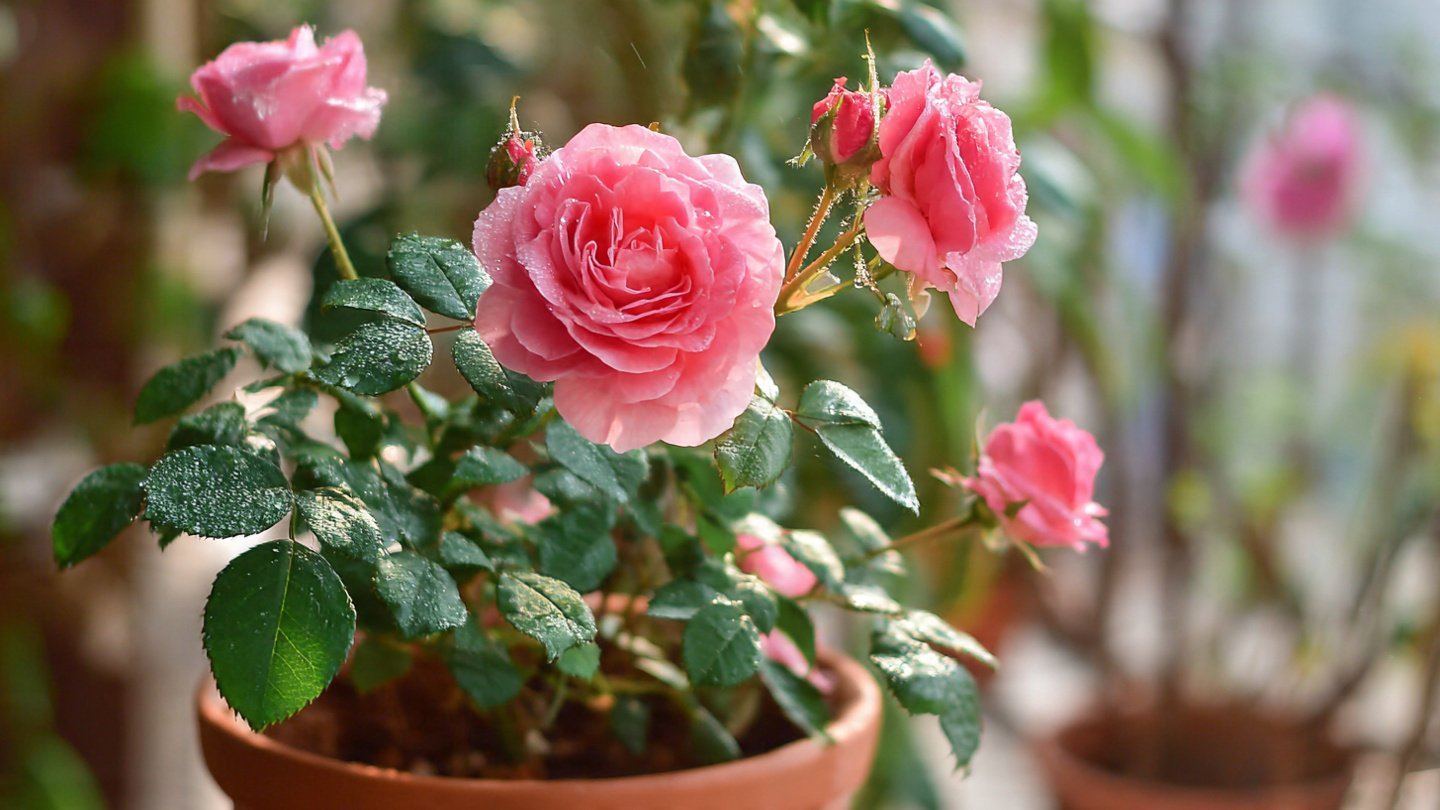
Propagating rose plants at home is a rewarding endeavor that allows gardeners to expand their collections without incurring the costs of buying new plants. Roses are beloved for their beauty, fragrance, and diverse range of colors, making them a favorite among gardeners. In this article, we will explore various techniques for propagating roses, step-by-step methods, tips for success, and a comprehensive FAQ section.
Understanding Rose Propagation
Propagation refers to the process of creating new plants from existing ones. There are different methods to propagate roses, including:
Latest Posts
- With Just 1 Bottle of Water How I Was Shocked by What Happened When Growing Vegetables
- Maximize Your Home Garden with the Hanging Pea Sprout Growing Model – Space-Saving, High-Yield, and Easy-to-Manage Vertical Gardening Solution
- Just Water – The Secret to Growing Plump, White Peanut Sprouts Right at Home: A Step-by-Step Guide for Beginners
- Growing Zucchini at Home in a Container: How to Cultivate Large, Long Fruits with a 1-to-72 Day Step-by-Step Diary for Maximum Yield
- Grow Long Beans on the Terrace in Used Recycling Baskets: The Ultimate Guide to Easy, Space-Saving, and High-Yield Terrace Gardening
- How to Grow Tons of Long Beans Easily Without a Garden – A Complete Guide to Growing Healthy Yardlong Beans Without Fertilizers or Pesticides
- Easy Long Bean Growing Trick – No Garden, No Fertilizer, No Pesticide
- Grow Bitter Melon in Bottles — Harvest So Big You Can’t Eat It All! The Ultimate Guide to Bottle Gardening for Maximum Yields
- Growing Garlic Made Easy: No Soil, Fast Results – The Ultimate Guide to Growing Fresh Garlic Indoors Without Traditional Soil
- Wall-Mounted Hydroponic Watermelon System: Grow Large, Juicy, and Delicious Watermelons at Home with Minimal Space and Maximum Yield
- Cuttings
- Layering
- Seeds
- Grafting
Among these methods, cuttings and layering are the most common for home gardeners due to their simplicity and effectiveness.
Techniques for Propagating Roses
1. Propagating Roses from Cuttings
A. Selecting the Right Time
The best time to take cuttings is during the growing season—typically in late spring or early summer. In cooler climates, taking cuttings in late summer can also be effective.
B. Choosing the Right Cutting
-
Types of Cuttings: Semi-hardwood cuttings are ideal because they contain both soft and tough wood. Look for stems that are healthy and disease-free, preferably with at least two sets of leaves.
-
Length: Each cutting should be about 6-8 inches long.
C. How to Take the Cuttings
-
Sterilize Tools: Use a sharp, clean pruning shears to prevent contamination.
-
Make the Cut: Cut just below a leaf node to encourage rooting, and remove any flowers or buds, which can sap energy from the cutting.

D. Preparing the Cuttings
-
Leaf Management: Trim the leaves, leaving just a couple at the top to reduce water loss.
-
Rooting Hormone: Dip the cut end of the stem in rooting hormone to enhance root growth.
E. Planting the Cuttings
-
Soil Mix: Use a well-draining potting mix; a combination of peat and perlite works well.
-
Planting Depth: Insert the cuttings about 2-3 inches into the soil.
-
Watering: After planting, water thoroughly but ensure that the pot has good drainage.
F. Creating a Humid Environment
To facilitate rooting, cover the cuttings with a plastic bag or a clear plastic dome to maintain humidity. Make sure to open it occasionally to prevent mold growth.
G. Maintenance
-
Light: Place the cuttings in a location that receives bright, indirect sunlight.
-
Watering: Keep the soil slightly moist but not overly wet.

H. Root Development
After 4-6 weeks, check for root development by subtly tugging on the cutting. If you feel resistance, roots are forming.
2. Layering
Layering is another effective method for propagating roses, particularly for old or woody varieties.
A. Selecting the Parent Plant
Choose a healthy, mature rose bush. The branch you select should be flexible and close to the ground.
B. Preparing the Branch
-
Wound the Stem: Make a shallow cut (about one-third through the stem) near a leaf node to encourage rooting.
-
Bend the Branch: Gently bend the branch downwards to the desired planting spot in the soil.
C. Burying the Branch
-
Soil Preparation: Create a small trench and cover the wounded section with soil, leaving the tip exposed.
-
Watering: Water the newly buried section to ensure good soil contact.
D. Waiting for Roots
This method may take several months. Once roots develop, you can sever the new plant from the parent and transplant it.
3. Propagating from Seeds

Seed propagation is the least common method but can produce unique varieties.
A. Harvesting Seeds
-
From Rose Hips: After flowering, allow rose hips to mature on the bush. Once they turn orange to red, harvest them.
-
Extracting Seeds: Cut the hips open and remove seeds, washing them to remove pulp.
B. Stratification
Most rose seeds require cold stratification. Place seeds in a moist paper towel, seal them in a plastic bag, and refrigerate for about 30 days.
C. Planting
-
Soil Mix: Use a light potting mix.
-
Sowing: Plant the seeds just below the soil surface in pots.
-
Watering and Light: Keep the soil moist and place in a bright location. Germination can take several weeks to a few months.
4. Grafting
Grafting is a more advanced technique often used in rose cultivation to combine the best characteristics of two different plants.
A. Understanding Grafting Basics
-
Scion: The upper part of the graft, taken from a rose variety you want to propagate.
-
Rootstock: The lower part of the graft, providing roots and supporting the scion.

B. Techniques
- T-budding: A single bud is grafted onto the rootstock.
- Cleft grafting: A scion is inserted into a cleft made in the rootstock.
Both methods require precision and sterile tools to prevent infection.
Tips for Successful Propagation
-
Use High-Quality Parent Plants: Ensure the parent plants are healthy and free of diseases.
-
Timing is Key: Follow seasonal guidelines for taking cuttings or planting seeds.
-
Humidity and Temperature: Keep cuttings in a controlled environment to ensure optimal growth conditions.
-
Patience: Some methods, particularly seeds, require more time for success.
-
Label and Track: If you are using multiple varieties, label your cuttings or seedlings to track their progress.
Conclusion
Propagating rose plants at home can be a fulfilling journey that brings new life to your garden. With the right techniques—like cuttings, layering, seeds, and grafting—you can cultivate beautiful roses that reflect your personal touch and care.
Whether you’re creating a vibrant rose garden or gifting new plants to friends, these propagation methods will enrich your gardening experience. Take the time to explore which techniques work best for you, and foster your green thumb as you grow your own rose oasis.
FAQs

1. Can I propagate roses in water?
While some plants root well in water, roses typically perform better in soil due to the need for more stable conditions.
2. How long does it take for rose cuttings to root?
Rooting can take anywhere from 4-6 weeks, depending on the environmental conditions and the type of rose.
3. What’s the best rooting hormone to use?
Commercial rooting hormones containing auxins are suitable for rose cuttings. They come in powder, gel, or liquid forms.
4. Can I propagate roses from store-bought bouquets?
Yes, you can take cuttings from healthy stems, but keep in mind the success rate may vary due to the condition of the cut flowers.
5. Do roses need direct sunlight for propagation?
While roses do require sunlight to thrive, propagated cuttings should initially be kept in bright, indirect light to prevent wilting.
6. Is it necessary to cover cuttings with a plastic bag?
Covering the cuttings helps maintain humidity, which is crucial for successful rooting. However, be sure to ventilate them periodically to avoid rot.
7. How can I tell if my cuttings are failing?
Signs of failure include wilting, blackened stems, and mold. Adjusting humidity and light exposure can help correct these issues.
By using these techniques and tips for propagating roses at home, you can create a stunning collection that will bloom beautifully for years to come!