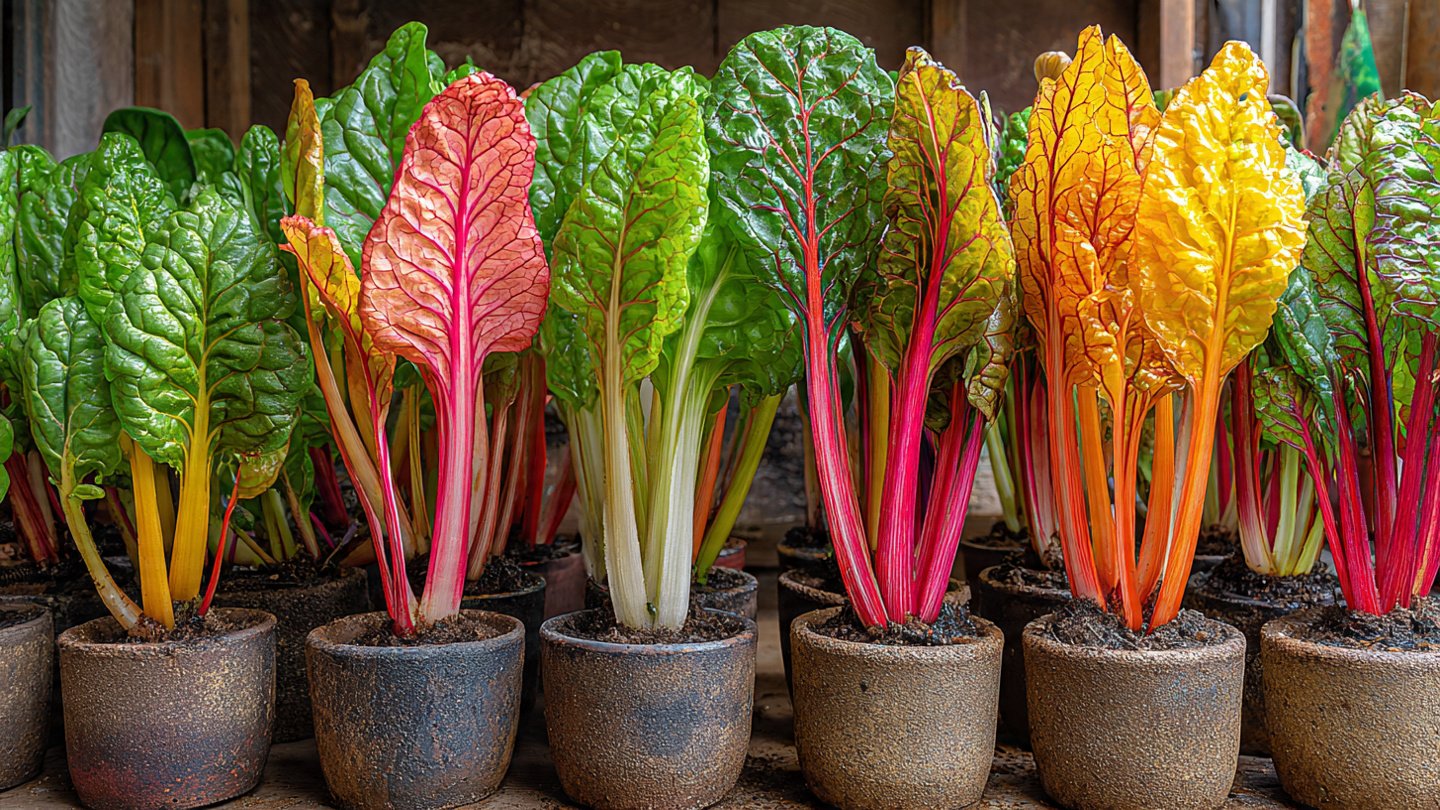
Urban gardening has surged in popularity, with more city dwellers seeking to cultivate their own food despite limited space. Container gardening has emerged as a versatile solution, and one of the most rewarding crops to grow in containers is Swiss chard. This leafy green is not only nutritious but also visually striking, making it an ideal choice for urban gardeners looking to add both flavor and beauty to their spaces.
Why Choose Swiss Chard?
Swiss chard (Beta vulgaris var. cicla) is a member of the beet family and is celebrated for its vibrant colors ranging from deep green to ruby red and bright yellow. Here are a few reasons why Swiss chard is perfect for container gardening:
Latest Posts
- With Just 1 Bottle of Water How I Was Shocked by What Happened When Growing Vegetables
- Maximize Your Home Garden with the Hanging Pea Sprout Growing Model – Space-Saving, High-Yield, and Easy-to-Manage Vertical Gardening Solution
- Just Water – The Secret to Growing Plump, White Peanut Sprouts Right at Home: A Step-by-Step Guide for Beginners
- Growing Zucchini at Home in a Container: How to Cultivate Large, Long Fruits with a 1-to-72 Day Step-by-Step Diary for Maximum Yield
- Grow Long Beans on the Terrace in Used Recycling Baskets: The Ultimate Guide to Easy, Space-Saving, and High-Yield Terrace Gardening
- How to Grow Tons of Long Beans Easily Without a Garden – A Complete Guide to Growing Healthy Yardlong Beans Without Fertilizers or Pesticides
- Easy Long Bean Growing Trick – No Garden, No Fertilizer, No Pesticide
- Grow Bitter Melon in Bottles — Harvest So Big You Can’t Eat It All! The Ultimate Guide to Bottle Gardening for Maximum Yields
- Growing Garlic Made Easy: No Soil, Fast Results – The Ultimate Guide to Growing Fresh Garlic Indoors Without Traditional Soil
- Wall-Mounted Hydroponic Watermelon System: Grow Large, Juicy, and Delicious Watermelons at Home with Minimal Space and Maximum Yield
- Space Efficiency: Swiss chard has a shallow root system, allowing it to thrive in smaller spaces.
- Adaptability: It grows well in various climates and can tolerate both cool and warm conditions.
- Nutritional Value: Swiss chard is packed with vitamins A, C, K, and essential minerals such as magnesium and potassium.
- Continuous Harvesting: With proper care, you can harvest Swiss chard leaves regularly, providing a steady supply of fresh greens.
Choosing the Right Container
Size Matters
When growing Swiss chard in containers, the size of the container is crucial:
- Recommended Size: A container with a depth of at least 8-12 inches is ideal for Swiss chard. The width can vary; however, a larger container allows more plants, promoting a vibrant garden.
- Drainage: Ensure your container has drainage holes to prevent root rot. You can use pots made from various materials, including plastic, ceramic, or wood.

Container Material
- Plastic: Lightweight and often less expensive, plastic containers retain moisture.
- Clay: These pots are porous, allowing for good airflow but may require more frequent watering.
- Fabric Pots: Ideal for good drainage and root aeration, fabric pots come in various sizes and are lightweight, making them easy to move.
Soil Preparation
Selecting Soil
Choosing the right soil is essential for the healthy growth of Swiss chard:
- Potting Mix: Use a high-quality, well-draining potting mix instead of garden soil. This prevents compaction and allows roots to grow freely.
- pH Level: Swiss chard thrives in slightly acidic to neutral soil (pH 6.0-7.0). A home soil test kit can help you determine this.
Enriching the Soil
-
Organic Matter: Mix in compost or well-rotted manure into your potting mix. This will provide necessary nutrients and improve soil texture.
-
Fertilizer: Apply a balanced slow-release fertilizer at planting. Check the label for the appropriate application rate.

Planting Swiss Chard
Seeds vs. Seedlings
You can either start Swiss chard from seeds or purchase transplants from a nursery:
- Seeds: Direct sow seeds in the container, approximately 1 inch deep. Space seeds 2-4 inches apart.
- Transplants: If using seedlings, plant them 4-6 inches apart, ensuring the root ball is covered.
Timing
- Spring Planting: In most zones, Swiss chard can be sown directly in the spring after the last frost date.
- Fall Planting: Chard can also be planted in late summer for a fall harvest, as it withstands light frosts.
Caring for Swiss Chard
Watering
- Frequency: Swiss chard prefers consistently moist soil. Water regularly to keep the top inch of soil moist but not soggy.
- Signs of Underwatering: Crispy leaves and drooping stems are signs your chard needs water.
Light Requirements
Swiss chard thrives in full sun to partial shade:

- Ideal Conditions: Aim for at least 6 hours of sunlight daily, especially if you’re growing it indoors or on a balcony with limited light.
Temperature
- Optimal Range: Swiss chard grows best in temperatures between 60°F and 75°F (15°C to 24°C).
- Heat Tolerance: It can tolerate warmer conditions but may go to seed (bolt) in excessive heat.
Pest and Disease Management
Common Pests
- Aphids: Small green insects can affect new growth. Use insecticidal soap or neem oil for control.
- Caterpillars: Handpick any visible pests or use row covers to protect young plants.
- Slugs and Snails: These can be manually removed or deterred using diatomaceous earth.
Diseases
- Downy Mildew: Ensure good air circulation around plants and avoid overhead watering.
- Root Rot: Ensure adequate drainage in the container to prevent soggy soil conditions.
Harvesting Swiss Chard

When to Harvest
- Timing: You can begin to harvest Swiss chard leaves when they are 6-8 inches long.
- Method: Cut the outer leaves first, leaving the inner leaves to continue growing. This promotes ongoing harvest.
Best Practices
- Harvest in the morning when temperatures are cooler for the best flavor and freshness.
- Regular harvesting encourages new growth, ensuring a continuous supply throughout the growing season.
Storing Swiss Chard
Fresh Swiss chard can be stored in the refrigerator:
- Prep for Storage: Wash and blot dry the leaves to remove excess moisture.
- Storage Method: Place the leaves in a breathable bag or container in the vegetable crisper drawer. Use within a week for the best taste and texture.
FAQs
1. Can I grow Swiss chard indoors?
Yes! Swiss chard can be successfully grown indoors if provided with adequate light (using grow lights if necessary) and the right soil.
2. How often should I fertilize Swiss chard?
Use a balanced fertilizer at planting time and reapply every 4-6 weeks during the growing season, especially if your soil is low in organic matter.
3. Is Swiss chard a perennial?
Swiss chard is typically regarded as an annual in most climates. However, it can act like a biennial if left to flower, which some gardeners choose to do for seed saving.
4. How do I prevent Swiss chard from bolting?
To reduce the chance of bolting, plant Swiss chard during cooler periods and provide adequate water during hot spells.
5. What are the benefits of growing Swiss chard?
Swiss chard is a nutrient powerhouse, rich in vitamins and minerals. Moreover, it adds vibrant color to your garden and can be harvested multiple times throughout the season.
Conclusion
Growing Swiss chard in containers is an ideal gardening choice for urban enthusiasts. With the right container, soil, and care, you can enjoy a plentiful supply of this nutritious leafy green, enhancing both your diet and your urban oasis. Whether you’re a seasoned gardener or a newcomer, Swiss chard offers a rewarding experience and contributes to sustainable living in the heart of the city. Happy gardening!