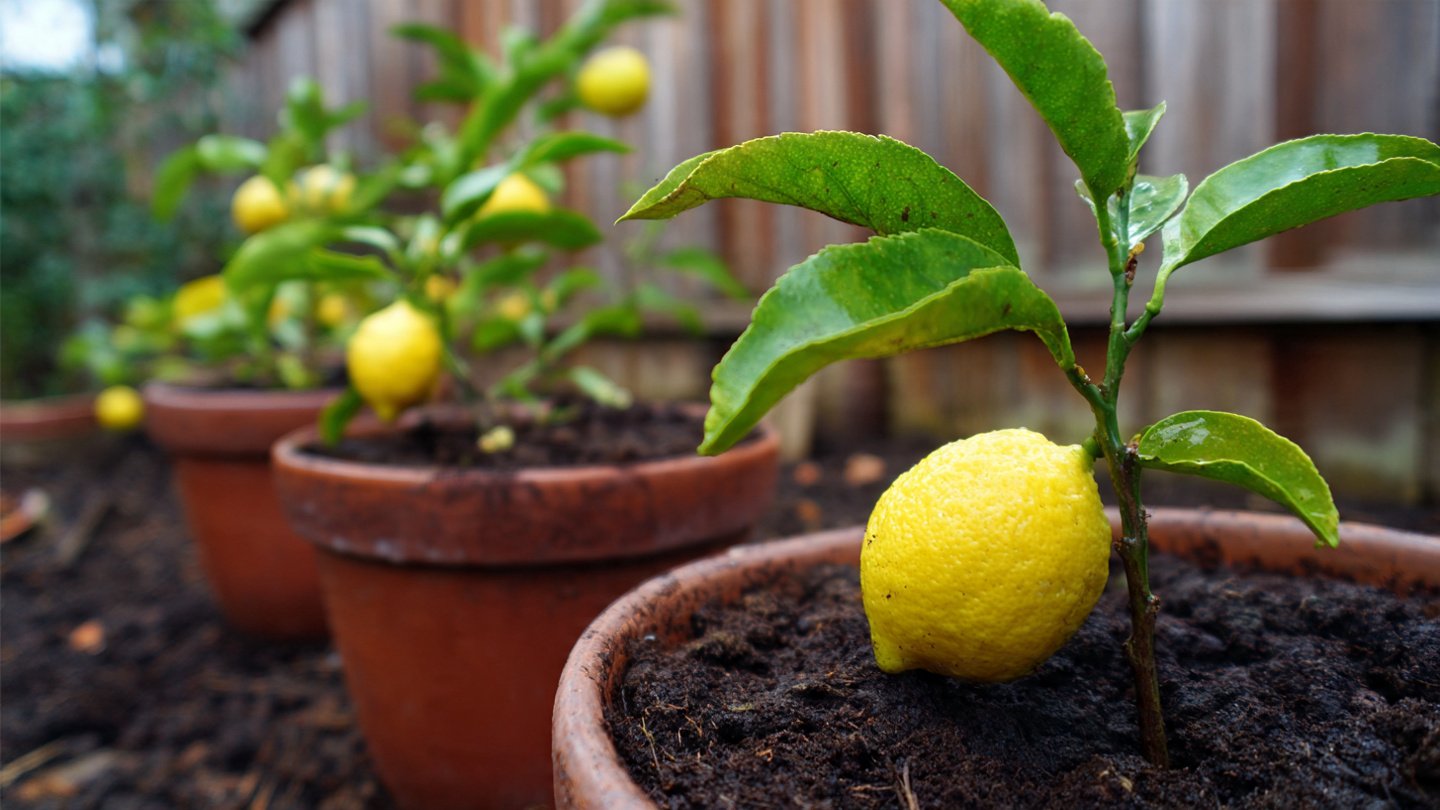
Lemon trees (Citrus limon) are not only a great addition to your backyard, but they also provide a bountiful harvest of bright, juicy lemons. Propagating lemon trees can be a fulfilling gardening project, allowing you to cultivate your own fruit while enhancing your garden’s aesthetics. This guide will walk you through the entire process, from selecting the right type of lemon tree to taking care of your new plants.
1. Understanding Lemon Trees
1.1 Types of Lemon Trees
Latest Posts
- With Just 1 Bottle of Water How I Was Shocked by What Happened When Growing Vegetables
- Maximize Your Home Garden with the Hanging Pea Sprout Growing Model – Space-Saving, High-Yield, and Easy-to-Manage Vertical Gardening Solution
- Just Water – The Secret to Growing Plump, White Peanut Sprouts Right at Home: A Step-by-Step Guide for Beginners
- Growing Zucchini at Home in a Container: How to Cultivate Large, Long Fruits with a 1-to-72 Day Step-by-Step Diary for Maximum Yield
- Grow Long Beans on the Terrace in Used Recycling Baskets: The Ultimate Guide to Easy, Space-Saving, and High-Yield Terrace Gardening
- How to Grow Tons of Long Beans Easily Without a Garden – A Complete Guide to Growing Healthy Yardlong Beans Without Fertilizers or Pesticides
- Easy Long Bean Growing Trick – No Garden, No Fertilizer, No Pesticide
- Grow Bitter Melon in Bottles — Harvest So Big You Can’t Eat It All! The Ultimate Guide to Bottle Gardening for Maximum Yields
- Growing Garlic Made Easy: No Soil, Fast Results – The Ultimate Guide to Growing Fresh Garlic Indoors Without Traditional Soil
- Wall-Mounted Hydroponic Watermelon System: Grow Large, Juicy, and Delicious Watermelons at Home with Minimal Space and Maximum Yield
Lemon trees come in various varieties, each offering unique characteristics:
-
Eureka Lemon: Known for its juicy fruit, this variety bears fruit year-round and is commonly found in grocery stores.
-
Lisbon Lemon: Similar to Eureka, Lisbon lemons are also prolific throughout the year but are slightly hardier.
-
Meyer Lemon: This hybrid between a lemon and a mandarin is sweeter and less acidic, making it a favorite among home gardeners.
1.2 Choosing the Right Conditions
Before you start propagating lemon trees, it is essential to understand the ideal conditions for their growth:
-
Climate: Lemon trees thrive in warm, sunny climates and can tolerate brief periods of cold. They prefer temperatures between 70°F to 85°F (21°C to 29°C).
-
Soil: Well-draining soil is crucial. Opt for a mix that allows for good drainage but retains some moisture.

-
Sunlight: A minimum of 8-10 hours of direct sunlight daily ensures healthy growth.
2. Propagation Methods
There are several methods to propagate lemon trees successfully. Here, we’ll discuss three popular techniques: seed propagation, cuttings, and grafting.
2.1 Seed Propagation
Seed propagation is straightforward, but there are a few steps involved.
How to Do It:
-
Seed Selection: Choose healthy, ripe lemons.
-
Extracting Seeds: Scoop out the seeds and rinse them under running water to remove any pulp.
-
Planting: Plant the seeds 1 inch deep in seedling trays filled with well-draining potting mix.
-
Watering: Lightly water the soil and cover the trays with plastic wrap to maintain humidity.
-
Germination: Place the trays in a warm, sunny spot. Seeds typically germinate within two weeks.
-
Transplanting: Once seedlings have a few sets of true leaves and are 6 inches tall, they can be transplanted into larger pots.

2.2 Propagating from Cuttings
Taking cuttings is a faster method that usually results in stronger plants.
How to Do It:
-
Select a Branch: Look for a healthy, non-flowering branch that’s about 6 inches long.
-
Cutting the Stem: Use sterilized scissors to make a clean cut just below a leaf node.
-
Rooting Hormone: Dip the cut end into rooting hormone to encourage root development.
-
Planting: Insert the cutting into a pot filled with well-draining soil. Ensure at least one leaf remains above the soil.
-
Watering: Mist the cutting and cover it with a plastic bag or a clear container to maintain humidity.
-
Monitoring Growth: Place the pot in a warm location with indirect sunlight. Roots should develop in about 4-6 weeks.
2.3 Grafting
Grafting is a more advanced method but can lead to stronger plants.

How to Do It:
-
Select Scion and Rootstock: Choose a healthy lemon branch as the scion and a compatible lemon rootstock.
-
Making Cuts: Trim both the scion and rootstock at an angle to create matching shapes for grafting.
-
Joining: Align the cuts and firmly bind them with grafting tape.
-
Aftercare: Water the graft union and keep it in a warm, shaded area until new growth is visible.
3. Caring for Your Lemon Trees
Once you have propagated your lemon trees, it’s critical to ensure they thrive.
3.1 Watering
Lemon trees prefer deep, infrequent watering. Allow the top inch of soil to dry out before watering again. During hot months, ensure your trees get adequate hydration but avoid waterlogging.
3.2 Fertilization
Fertilize your lemon trees regularly using a balanced fertilizer or one specifically designed for citrus plants. Aim for a feeding schedule of every 6-8 weeks during the growing season (spring through early fall).
3.3 Pruning

Pruning helps to shape the tree and encourages better fruit production:
-
Timing: Best done in late winter to early spring.
-
Method: Remove dead or crossing branches and thin dense areas to improve air circulation.
3.4 Pest Management
Common pests affecting lemon trees include aphids, spider mites, and scale insects. Regularly inspect your plants for signs of infestation and address them using organic pest control methods such as neem oil or insecticidal soap.
4. Harvesting Your Lemons
4.1 When to Harvest
Lemons typically take 6 to 9 months to mature after flowering. They’re ready to harvest when they become fully yellow, firm, and aromatic.
4.2 How to Harvest
To avoid damaging the tree, use pruning shears to cut the fruit from the branch, leaving a small portion of the stem attached.
5. FAQs
1. Can I grow lemon trees indoors?
Yes, lemon trees, particularly the Meyer lemon variety, can thrive indoors provided they receive sufficient light (8-10 hours a day) and adequate humidity.

2. How can I tell if my lemon tree is healthy?
Healthy lemon trees boast vibrant green leaves, proper growth, and produce fragrant blooms. Yellowing leaves may signify nutrient deficiencies or overwatering.
3. Do lemon trees need specific fertilizers?
While they can grow with standard fertilizers, lemon trees benefit from specific citrus fertilizers rich in nitrogen, potassium, and magnesium.
4. How long does it take for lemon trees to bear fruit?
Generally, a lemon tree propagated from seeds might take 3-5 years to bear fruit, while grafted trees can produce fruit in 1-2 years.
5. What should I do if my lemon tree gets frost damage?
In case of frost damage, prune any dead branches and protect the tree with frost cloths or blankets if colder temperatures are expected again.
6. Is it possible to propagate lemon trees without hormones?
Yes, while rooting hormones can speed up the process, lemon tree cuttings can still root successfully without them. Just be patient, as it may take longer.
7. How often should I repot my lemon tree?
Repot every 1-2 years or whenever the roots start to outgrow the pot. A larger pot promotes sustained growth.
Conclusion
Propagating lemon trees in your backyard is not only rewarding but can also be an enjoyable experience for both novice and seasoned gardeners. Whether you choose to grow from seeds, cuttings, or grafting, lemon trees add beauty and functionality to your space. With the right care, patience, and attention, you’ll soon be enjoying fresh lemons right from your own garden. Happy gardening!