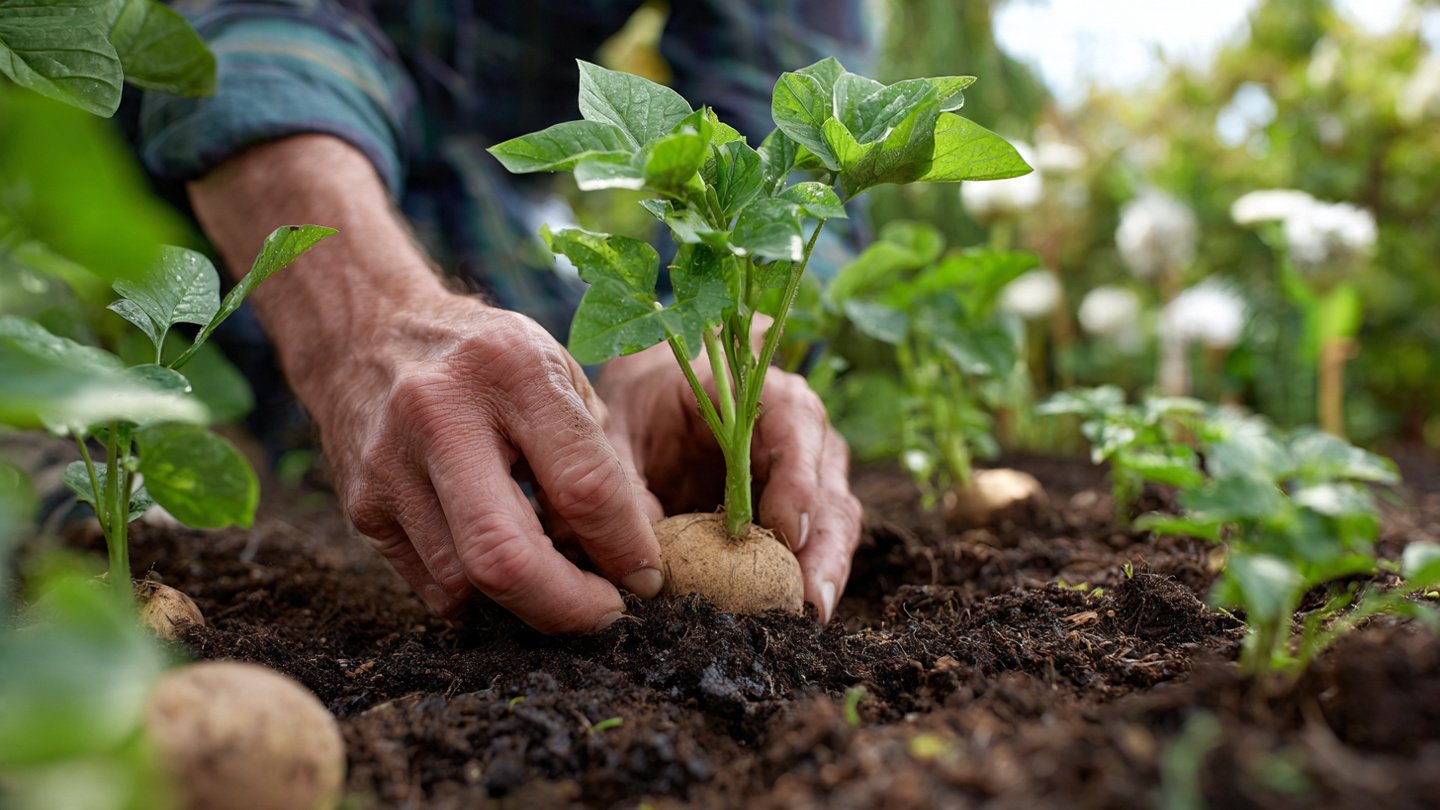
Sweet potatoes (Ipomoea batatas) are not only delicious but also packed with nutrients. They are a great addition to any home garden, requiring relatively low maintenance while providing high yields. This guide will walk you through every step of the process, from selecting the right variety to harvesting.
Understanding Sweet Potatoes
Before diving into the growing process, it’s essential to understand what sweet potatoes are and why they’re beneficial.
Latest Posts
- With Just 1 Bottle of Water How I Was Shocked by What Happened When Growing Vegetables
- Maximize Your Home Garden with the Hanging Pea Sprout Growing Model – Space-Saving, High-Yield, and Easy-to-Manage Vertical Gardening Solution
- Just Water – The Secret to Growing Plump, White Peanut Sprouts Right at Home: A Step-by-Step Guide for Beginners
- Growing Zucchini at Home in a Container: How to Cultivate Large, Long Fruits with a 1-to-72 Day Step-by-Step Diary for Maximum Yield
- Grow Long Beans on the Terrace in Used Recycling Baskets: The Ultimate Guide to Easy, Space-Saving, and High-Yield Terrace Gardening
- How to Grow Tons of Long Beans Easily Without a Garden – A Complete Guide to Growing Healthy Yardlong Beans Without Fertilizers or Pesticides
- Easy Long Bean Growing Trick – No Garden, No Fertilizer, No Pesticide
- Grow Bitter Melon in Bottles — Harvest So Big You Can’t Eat It All! The Ultimate Guide to Bottle Gardening for Maximum Yields
- Growing Garlic Made Easy: No Soil, Fast Results – The Ultimate Guide to Growing Fresh Garlic Indoors Without Traditional Soil
- Wall-Mounted Hydroponic Watermelon System: Grow Large, Juicy, and Delicious Watermelons at Home with Minimal Space and Maximum Yield
Nutritional Benefits
Sweet potatoes are rich in vitamins A and C, fiber, and antioxidants. They have a low glycemic index, making them a great option for those looking to manage blood sugar levels. Their versatility also means they can be prepared in various ways—baked, mashed, fried, or even made into pies.
Types of Sweet Potatoes
There are several varieties of sweet potatoes, each differing in color, flavor, and texture. Here are a few popular types:
- Orange-fleshed: Most commonly found in grocery stores, these have a sweet flavor and creamy texture.
- White-fleshed: Milder in taste, these potatoes are often drier than their orange counterparts.
- Purple-fleshed: Known for their unique color, purple sweet potatoes also contain antioxidants that may provide additional health benefits.
Preparing Your Garden
Choosing the Right Location
Sweet potatoes thrive in well-drained, loose, and sandy loam soil. They require full sunlight, so select a location that receives at least six to eight hours of direct sunlight daily.

Soil Preparation
Prior to planting, prepare the soil by performing the following steps:
-
Testing Soil pH: Sweet potatoes prefer a pH of 5.8 to 6.5. Conduct a soil test and, if necessary, amend the soil with lime to increase pH or sulfur to lower it.
-
Cultivating: Turn the soil to a depth of about 12 inches. Remove any rocks, weeds, or debris.
-
Enriching the Soil: Incorporate organic matter, such as compost or well-rotted manure, to improve soil fertility and structure.
Planting Time
Sweet potatoes are typically planted in late spring after all danger of frost has passed. The optimal soil temperature for planting is between 65°F and 85°F.
Propagating Sweet Potatoes
Common Methods
Sweet potatoes can be grown from slips, which are young shoots that sprout from the tuber.
-
Growing Slips from Tubers:

- Place whole sweet potatoes in water (half submerged) or soil in a warm, sunny place.
- After a few weeks, shoots will begin to sprout from the top. Once the slips are about 6 inches long, twist them off gently.
-
Buying Slips: If you prefer, you can purchase slips from garden centers or online retailers.
Planting Slips
-
Spacing: Plant slips about 12 to 18 inches apart in rows, allowing for adequate air circulation and growth.
-
Depth: Bury the slips up to their first set of leaves.
-
Watering: Water thoroughly after planting to ensure the soil settles around the roots.
Caring for Your Sweet Potatoes
Watering
Sweet potatoes require consistent moisture, especially during their early growth stages. A drip irrigation system is ideal to maintain even moisture without over-saturating the soil.
- Frequency: Water deeply once or twice a week, increasing frequency during very hot, dry spells.
Fertilizing

Sweet potatoes are not heavy feeders. However, they will benefit from a balanced, low-nitrogen fertilizer. Apply a granular 10-10-10 fertilizer at the time of planting and again about six weeks later.
Pest and Disease Management
Keep an eye out for common pests such as:
- Wireworms: These feed on roots and tubers.
- Sweet Potato Flea Beetles: These can lead to significant damage.
Natural repellents like neem oil can be effective, or you can introduce beneficial insects to help manage pests. Always aim for organic methods whenever possible.
Weeding and Mulching
Keep the area around your sweet potatoes free of weeds, as they compete for nutrients and moisture. Mulching with straw or grass clippings will help suppress weeds, conserve moisture, and maintain soil temperature.
Harvesting Sweet Potatoes
Signs of Readiness
Sweet potatoes are usually ready for harvest 90 to 150 days after planting, depending on the variety. Look for the following signs:
- Foliage Color: The leaves may begin to yellow and die back.
- Size: Gently dig around the base of a plant to check the size of the tubers.
Harvesting Technique
- Tools: Use a spading fork to loosen the soil around the roots, taking care not to puncture the tubers.
- Gently Lift: Once the soil is loosened, gently lift the tubers from the soil.
Curing and Storing Sweet Potatoes
After harvest, sweet potatoes need to be cured to enhance their sweetness and shelf life.
Curing Process
-
Temperature and Humidity: Cure sweet potatoes in a warm (around 80°F), humid environment for 1-2 weeks. A basement or unheated room can work well if humidity is maintained.
-
Storage: Store cured sweet potatoes in a cool, dark place. They can last several months if stored properly.
FAQs about Growing Sweet Potatoes
1. Can Sweet Potatoes Be Grown in Containers?
Yes! Sweet potatoes can thrive in large containers or grow bags. Ensure they have enough depth (at least 12-18 inches) and good drainage.
2. What is the ideal soil type for sweet potatoes?
Sweet potatoes prefer sandy loam soil that is well-drained. Amend heavy clay soil with organic matter to improve drainage.

3. How often should I water my sweet potatoes?
Watering once or twice a week is suitable, adjusting based on the weather and soil moisture levels.
4. When should I start harvesting sweet potatoes?
Harvest when the leaves begin to yellow and die back, typically 90 to 150 days after planting.
5. Do sweet potatoes need a lot of fertilizer?
Sweet potatoes benefit from a balanced, low-nitrogen fertilizer. They typically don’t require heavy feeding.
6. Can I use store-bought sweet potatoes to grow slips?
Yes, but ensure they are organic and not treated with growth inhibitors.
7. How do I know if my sweet potatoes are ready for harvest?
Check for signs of yellowing leaves and gently dig around the tubers to assess their size.
Conclusion
Growing sweet potatoes in your home garden is a rewarding endeavor. With the right conditions and care, you can enjoy a bountiful harvest of this nutritious vegetable. Whether baked, mashed, or fried, homegrown sweet potatoes will certainly add flavor and health benefits to your meals. Happy gardening!