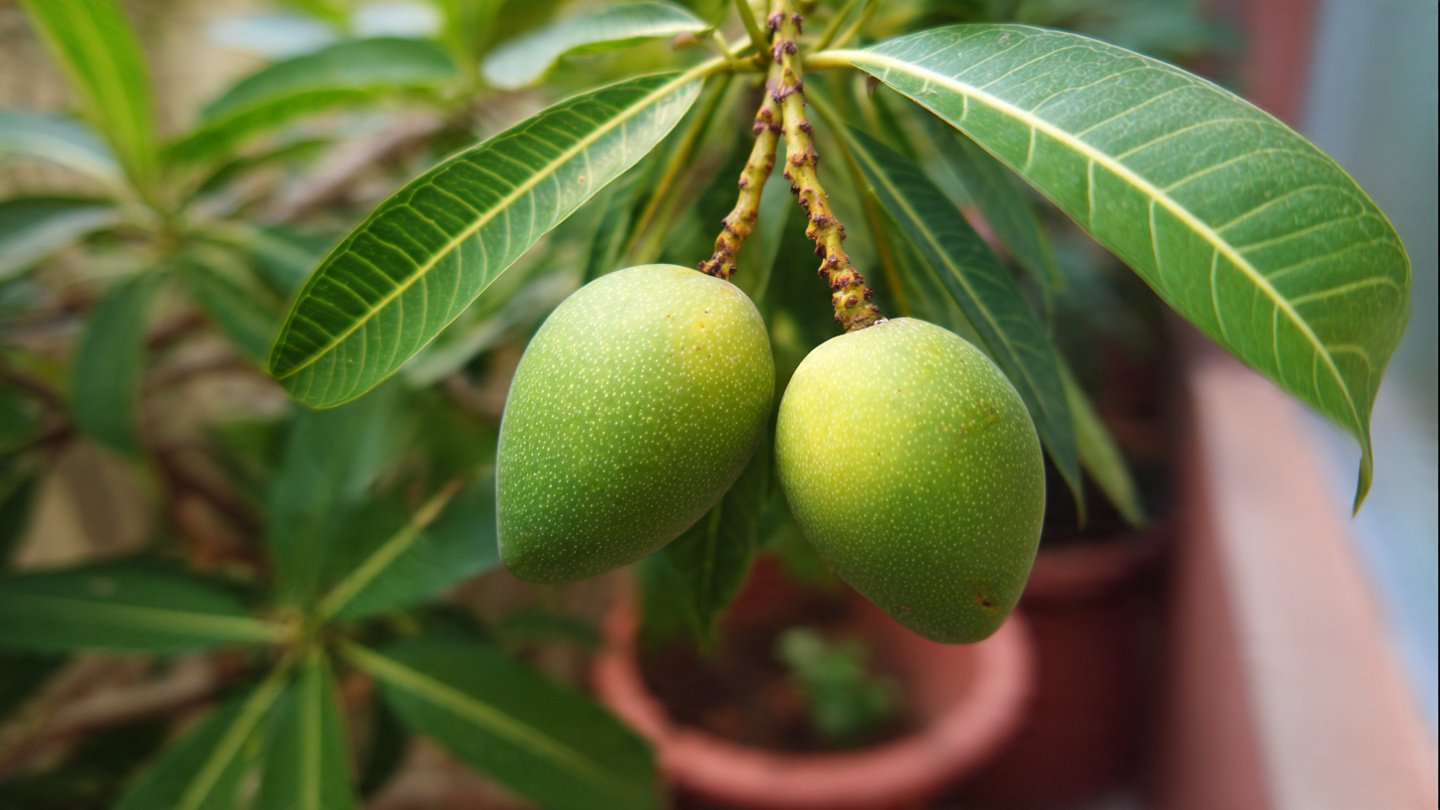
Mangoes are not just one of the most beloved fruits around the world; they are also relatively easy to grow if you know the right techniques. Growing a mango plant in a pot offers the advantage of flexibility, allowing you to cultivate this tropical beauty in your backyard or even on a balcony. This guide provides a comprehensive approach to nurturing a mango plant from a seed right through to harvesting its succulent fruit.
Understanding the Mango Plant
Mango Varieties
Latest Posts
- With Just 1 Bottle of Water How I Was Shocked by What Happened When Growing Vegetables
- Maximize Your Home Garden with the Hanging Pea Sprout Growing Model – Space-Saving, High-Yield, and Easy-to-Manage Vertical Gardening Solution
- Just Water – The Secret to Growing Plump, White Peanut Sprouts Right at Home: A Step-by-Step Guide for Beginners
- Growing Zucchini at Home in a Container: How to Cultivate Large, Long Fruits with a 1-to-72 Day Step-by-Step Diary for Maximum Yield
- Grow Long Beans on the Terrace in Used Recycling Baskets: The Ultimate Guide to Easy, Space-Saving, and High-Yield Terrace Gardening
- How to Grow Tons of Long Beans Easily Without a Garden – A Complete Guide to Growing Healthy Yardlong Beans Without Fertilizers or Pesticides
- Easy Long Bean Growing Trick – No Garden, No Fertilizer, No Pesticide
- Grow Bitter Melon in Bottles — Harvest So Big You Can’t Eat It All! The Ultimate Guide to Bottle Gardening for Maximum Yields
- Growing Garlic Made Easy: No Soil, Fast Results – The Ultimate Guide to Growing Fresh Garlic Indoors Without Traditional Soil
- Wall-Mounted Hydroponic Watermelon System: Grow Large, Juicy, and Delicious Watermelons at Home with Minimal Space and Maximum Yield
Mangoes belong to the Anacardiaceae family and come in various varieties. The most popular types include:
- Haden: Known for its rich flavor and sweet aroma.
- Alphonso: Juicy, with a tender texture and a delightful taste.
- Kent: Fibreless and sweet, perfect for eating fresh.
- Tommy Atkins: A common variety, recognized for its shelf-life.
Before starting, choose the variety that best fits your climate and taste preferences.
Planting Considerations
Mango plants thrive in warm, sunny environments. If you’re in a region with a cooler climate, growing mangoes in pots allows you to move them outdoors when the weather is warm and bring them inside during colder months.
Step-by-Step Guide to Growing a Mango Plant from Seeds
Step 1: The Seed Extraction
-
Select a Ripe Mango: Choose an organic, ripe mango to ensure you obtain viable seeds.
-
Remove the Seed: Cut the mango and carefully extract the seed. Ensure minimal damage to the seed during this process.
-
Clean the Seed: Rinse it under warm water to remove all flesh residues. This prevents mold growth.
Step 2: Preparing the Seed for Planting
-
Drying: Allow the seed to dry for a couple of days in a warm location to prevent rot.
-
Scarification: Gently sand the outer shell of the seed with fine-grit sandpaper or cut it slightly to allow water absorption for germination.
Step 3: Germination
-
Plant the Seed: Fill a small pot (about 6-8 inches) with well-draining soil. Insert the seed horizontally about an inch deep.
-
Watering: Give the soil a light watering, ensuring it stays moist but not soggy.
-
Humidity and Warmth: Cover the pot with a plastic bag or cling film to trap humidity. Place it in a warm location with indirect sunlight.
-
Wait for Germination: It may take 1 to 3 weeks for the seed to sprout. Once a stem and leaves appear, remove the cover.
Step 4: Transplanting into a Larger Pot
When the seedling reaches around 6-8 inches and has several leaves, it’s time to transplant it into a larger pot (12-16 inches wide).
-
Choosing the Right Soil: Use a coconut coir, sand, and compost mix for optimal drainage and nutrient retention.
-
Transplanting: Gently remove the seedling from its original pot, taking care not to damage the roots. Place it into the larger pot and fill in with soil.
-
Watering: Water well after transplanting, allowing for drainage.
Step 5: Ongoing Care
-
Light: Mango plants need 8-10 hours of sunlight daily. If you’re indoors, place them near a south-facing window.
-
Watering: Water when the top inch of soil feels dry. Ensure proper drainage to avoid root rot.

-
Fertilizing: Every month during growing season (spring and summer), use a balanced fertilizer (e.g., 10-10-10 ratio) but reduce fertilization in fall and winter.
-
Pruning: Prune young mango plants to encourage a bushier shape. Remove any dead or unhealthy leaves.
Step 6: Preparing for Fruit Production
Mango plants usually take 3-6 years to produce fruit from seed. As your plants mature:
-
Pest Management: Keep an eye out for common pests like aphids and scale. Neem oil or insecticidal soap can help control infestations.
-
Flowering: Your mango tree may begin flowering in early spring. Ensure it receives adequate water during this time.
Step 7: Harvesting Mangoes
When mangoes are ripe, they will change color (depending on the variety) and emit a sweet aroma.
-
Harvest Timing: Hand-picking them when they slightly give under pressure is ideal.
-
Curing: After harvesting, you can leave them at room temperature for a few days to ripen further.
Step 8: Enjoying the Fruits of Your Labor
Once the mangoes are fully ripe, they are ready to be eaten! Enjoy fresh, make smoothies, or use them in salads.
FAQs
1. Can I grow mango plants in colder climates?
Yes, you can grow mango plants in pots and bring them indoors during the winter months. Ensure they get plenty of light and warmth.
2. How often should I water my mango plant?
Water the plant when the top inch of soil feels dry, roughly once a week. In hotter conditions, you may need to water more frequently.
3. How do I know if my mango is ripe?
Mangoes will change color based on the variety and give slightly when gently pressed. Additionally, a sweet aroma indicates ripeness.
4. Can I grow mangoes from store-bought mangoes?
Yes, as long as they are organic and not treated to prevent sprouting.
5. What kind of soil is best for mango plants?
A well-draining mix is ideal, usually comprising two parts potting soil, one part sand, and one part compost.
6. How tall will my mango tree grow in a pot?
Mango trees can reach up to 20 feet in height in nature, but in pots, they are generally kept smaller, around 3-6 feet, depending on pot size and care.
7. Should I prune my mango plant?
Yes, regular pruning helps with shape and encourages a bushier growth, making it easier to manage and potentially enhancing fruit production.
8. How long does it take for a mango plant to bear fruit?
From seed, a mango plant can take 3 to 6 years to produce fruit, depending on the care and conditions.
9. What pests should I watch out for?
Common pests include aphids, spider mites, and mealybugs, which can be managed with neem oil or insecticidal soap.
10. Can mango seeds be reused?
Yes, you can plant the seeds from your harvested mango as long as they are clean and properly prepared.
By carefully nurturing your mango plant from seed to harvest, you can enjoy delicious, homegrown mangoes that not only satisfy your taste buds but also enhance your gardening experience. Happy gardening and enjoy your fruit bounty!