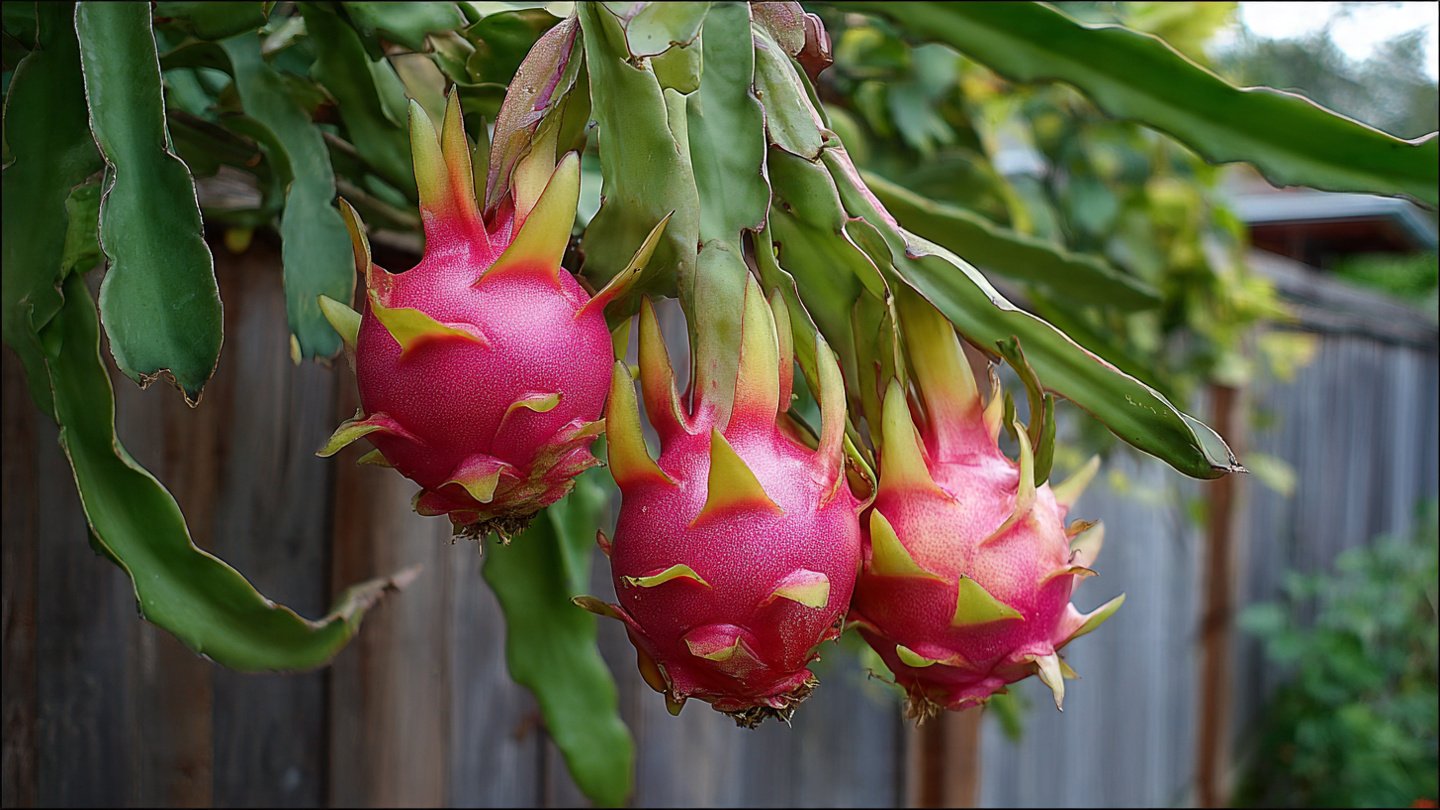
Dragon fruit, also known as pitaya, is a tropical fruit that has gained immense popularity due to its unique appearance, sweet flavor, and numerous health benefits. This exotic fruit not only adds a vibrant touch to your garden but can also be a rewarding endeavor for backyard gardeners. Whether you’re a seasoned gardener or a newbie, this ultimate guide will walk you through everything you need to know to cultivate dragon fruit successfully in your backyard.
What is Dragon Fruit?
Dragon fruit comes from several different cactus species within the genus Hylocereus and Selenicereus. The most common type has a bright pink or yellow skin with green scales, resembling a dragon, which is likely where its intriguing name stems from. The fruit has a mildly sweet flavor with a texture similar to a kiwi, dotted with tiny seeds.
Latest Posts
- With Just 1 Bottle of Water How I Was Shocked by What Happened When Growing Vegetables
- Maximize Your Home Garden with the Hanging Pea Sprout Growing Model – Space-Saving, High-Yield, and Easy-to-Manage Vertical Gardening Solution
- Just Water – The Secret to Growing Plump, White Peanut Sprouts Right at Home: A Step-by-Step Guide for Beginners
- Growing Zucchini at Home in a Container: How to Cultivate Large, Long Fruits with a 1-to-72 Day Step-by-Step Diary for Maximum Yield
- Grow Long Beans on the Terrace in Used Recycling Baskets: The Ultimate Guide to Easy, Space-Saving, and High-Yield Terrace Gardening
- How to Grow Tons of Long Beans Easily Without a Garden – A Complete Guide to Growing Healthy Yardlong Beans Without Fertilizers or Pesticides
- Easy Long Bean Growing Trick – No Garden, No Fertilizer, No Pesticide
- Grow Bitter Melon in Bottles — Harvest So Big You Can’t Eat It All! The Ultimate Guide to Bottle Gardening for Maximum Yields
- Growing Garlic Made Easy: No Soil, Fast Results – The Ultimate Guide to Growing Fresh Garlic Indoors Without Traditional Soil
- Wall-Mounted Hydroponic Watermelon System: Grow Large, Juicy, and Delicious Watermelons at Home with Minimal Space and Maximum Yield
Nutritional Benefits
Dragon fruit is not just visually appealing; it is also packed with essential nutrients. A typical serving is low in calories but high in vitamin C, fiber, and antioxidants. It has been linked to various health benefits, including improved digestion, a boosted immune system, and a reduced risk of chronic diseases.
Ideal Conditions for Growing Dragon Fruit
Climate
Dragon fruit thrives in warm, tropical to subtropical climates. Ideally, it requires temperatures between 65°F and 100°F (18°C to 38°C). If you live in a cooler climate, you can still grow dragon fruit in containers and bring them indoors during winter.
Soil
Dragon fruit prefers well-draining soil. A sandy or loamy mix enriched with organic matter works best. Ensure that the pH level is between 6 and 7. Heavy clay soils should be avoided as they retain moisture, which can lead to root rot.
Sunlight

This cactus needs plenty of sunlight to flourish. It should receive full sun for at least six hours a day. If you’re growing it in a cooler climate, ensure it is placed in a south-facing location to maximize sunlight exposure.
Selecting the Right Variety
There are several varieties of dragon fruit, each with its distinct flavor and appearance. Some popular types include:
-
Hylocereus undatus: Also known as the white-fleshed dragon fruit, this is the most common variety, characterized by its sweet taste and white interior.
-
Hylocereus costaricensis: This variety has red flesh and is known for its slightly sweeter flavor.
-
Hylocereus Megalanthus: Also called yellow dragon fruit, it has a unique taste and appearance with yellow skin and white flesh.
Choose a variety that best suits your taste preferences and climate.
Planting Dragon Fruit
Choosing a Location
Site selection is crucial. Choose a spot that is well-drained and receives ample sunlight. If you’re planting multiple plants, ensure they have enough space, as they can grow up to 20 feet tall.

Preparing the Soil
- Mixing: Combine sand, compost, and perlite to create a well-draining mix.
- Testing: Test the soil pH to ensure it is between 6 and 7.
Planting Techniques
-
Seeds: While growing from seeds allows for generating multiple plants, it can take several years before the plant bears fruit. Scatter seeds over the soil and lightly cover them.
-
Cuttings: This is the more popular method since it leads to quicker fruit production. Cut a healthy segment of the cactus—at least 12 inches long—and let it dry for a few days. Plant it in the soil horizontally or erectly, ensuring the cut end is in contact with the soil.
-
Transplanting: If using established plants, carefully transplant them into the prepared hole and water well.
Supporting Your Dragon Fruit
Dragon fruit plants are climbing cacti and need support. You can either use a wooden post, a trellis, or even a large container with a stake. Ensure the support is sturdy, as the plant can become heavy as it grows.
Watering Requirements

Dragon fruit is drought-resistant but requires careful watering. Water weekly during the growing season (spring to summer) and reduce frequency during the dormant winter months. Always check the soil’s moisture before watering; the soil should dry out between waterings to prevent root rot.
Fertilization
To promote healthy growth and fruiting, fertilize dragon fruit every 4-6 weeks during the growing season. A balanced fertilizer (e.g., 10-10-10) is ideal. Alternatively, you can use organic options like compost tea or manure.
Pruning and Maintenance
Regular pruning helps maintain the shape of the plant and encourages fruit production. Cut back any dead or excessive growth in the spring. Ensure the plants are well-aerated to prevent mold or pests.
Pest Control
Dragon fruit plants can fall prey to various pests such as mealybugs, aphids, and fruit flies. Regularly inspect the plants and use organic insecticides or soap sprays to control pests. Neem oil is another effective organic solution.
Disease Management
The most common disease affecting dragon fruit is root rot, primarily caused by overwatering. To prevent this, ensure that the soil is well-draining and avoid waterlogged conditions. Fungal infections can also affect the plant, so ensure good air circulation around the plant.
Harvesting
Dragon fruit typically takes about 30-50 days from flowering to harvest. You’ll know the fruit is ready when the skin color becomes vibrant, and the scales start to lift. When harvested at the right time, dragon fruit is extraordinarily sweet.

To harvest, gently twist the fruit off the stem to avoid damaging the plant. It’s best to harvest in the morning when temperatures are cooler.
Enjoying Your Dragon Fruit
Dragon fruit can be enjoyed fresh, added to smoothies, or used in salads. Its unique appearance makes it an excellent choice for creative culinary presentations.
FAQs
1. How long does it take for dragon fruit to produce fruit?
It usually takes 1-3 years for dragon fruit plants to bear fruit, depending on the variety and growing conditions.
2. Can dragon fruit be grown in pots?
Yes, dragon fruit can be successfully grown in pots, making it ideal for small spaces or cooler climates where the plants can be moved indoors during winter.
3. How often should dragon fruit be watered?
Water weekly during the growing season and reduce frequency in winter. Always check for dry soil before watering.
4. What pests should I watch out for?
Common pests include mealybugs, aphids, and fruit flies. Regular inspections and treatments with organic pesticides can help manage infestations.
5. Is dragon fruit easy to grow?
Yes, with the right conditions and care, dragon fruit is relatively easy to grow, making it a great choice for both seasoned gardeners and beginners.
6. What is the best way to store dragon fruit?
Unripe dragon fruit can be kept at room temperature, while ripe fruit should be refrigerated. It’s best to consume it within a few days for optimal freshness.
7. Can I grow dragon fruit indoors?
Yes, dragon fruit can be grown indoors if it receives enough sunlight (6+ hours a day) and is planted in a container with good drainage.
8. Are there any diseases specific to dragon fruit?
The most common issue is root rot, which can be prevented by ensuring well-drained soil. Fungal infections may also occur if there’s poor airflow around the plant.
Conclusion
Cultivating dragon fruit in your backyard can be a rewarding gardening experience. With its unique appearance and taste, it not only enhances your garden’s aesthetic but also provides delicious and nutritious fruit. By following the steps outlined in this guide, you can successfully grow dragon fruit and enjoy its many benefits for years to come. Happy gardening!