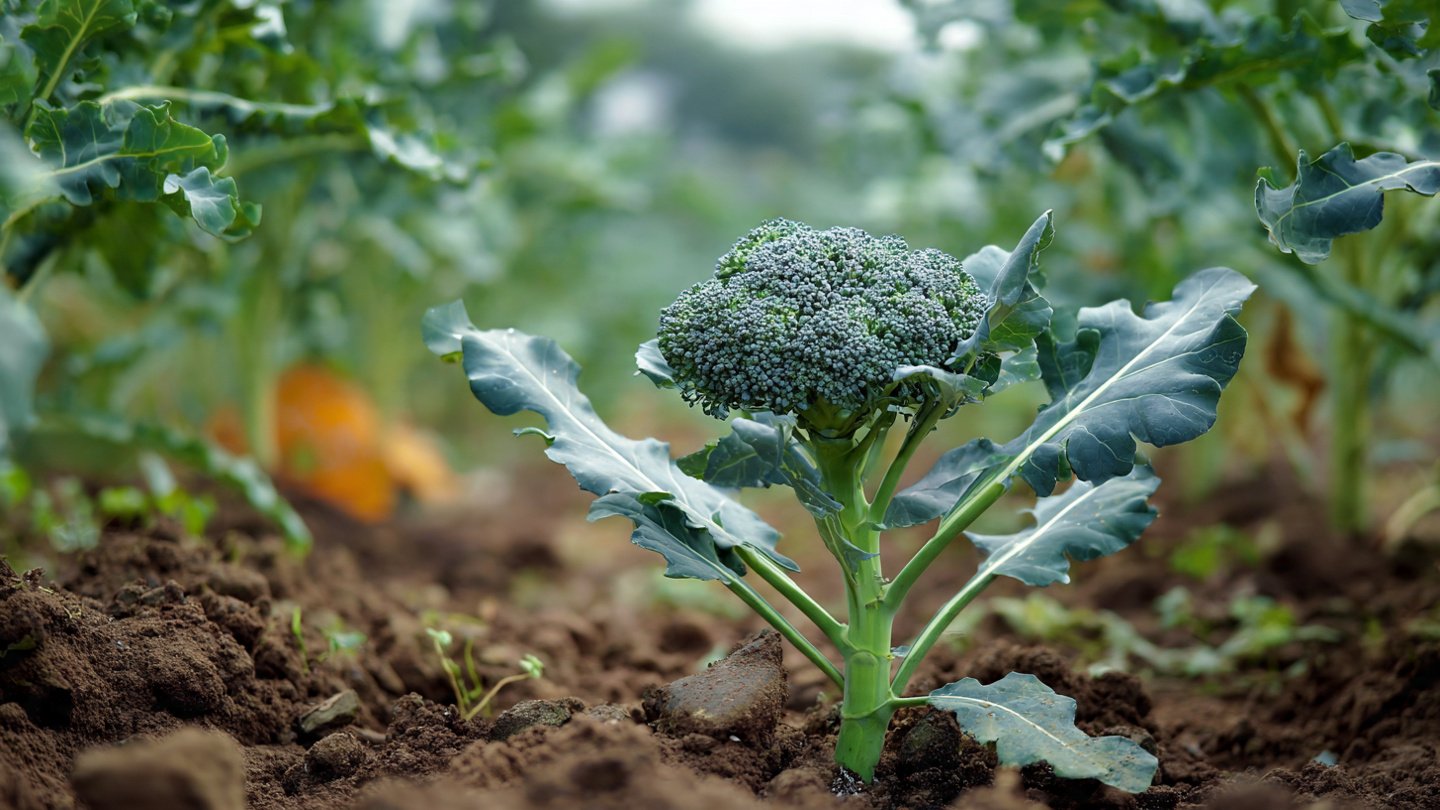
Growing broccoli at home can be one of the most rewarding gardening experiences. Not only is broccoli a nutritious vegetable packed with vitamins and minerals, but its growth cycle makes it an excellent choice for both novice and experienced gardeners. This comprehensive guide will cover everything you need to know to grow broccoli, from seed selection to harvest.
Choosing the Right Broccoli Varieties
Before diving into the growing process, it’s essential to choose the right variety of broccoli. The two main types of broccoli are:
Latest Posts
- With Just 1 Bottle of Water How I Was Shocked by What Happened When Growing Vegetables
- Maximize Your Home Garden with the Hanging Pea Sprout Growing Model – Space-Saving, High-Yield, and Easy-to-Manage Vertical Gardening Solution
- Just Water – The Secret to Growing Plump, White Peanut Sprouts Right at Home: A Step-by-Step Guide for Beginners
- Growing Zucchini at Home in a Container: How to Cultivate Large, Long Fruits with a 1-to-72 Day Step-by-Step Diary for Maximum Yield
- Grow Long Beans on the Terrace in Used Recycling Baskets: The Ultimate Guide to Easy, Space-Saving, and High-Yield Terrace Gardening
- How to Grow Tons of Long Beans Easily Without a Garden – A Complete Guide to Growing Healthy Yardlong Beans Without Fertilizers or Pesticides
- Easy Long Bean Growing Trick – No Garden, No Fertilizer, No Pesticide
- Grow Bitter Melon in Bottles — Harvest So Big You Can’t Eat It All! The Ultimate Guide to Bottle Gardening for Maximum Yields
- Growing Garlic Made Easy: No Soil, Fast Results – The Ultimate Guide to Growing Fresh Garlic Indoors Without Traditional Soil
- Wall-Mounted Hydroponic Watermelon System: Grow Large, Juicy, and Delicious Watermelons at Home with Minimal Space and Maximum Yield
-
Calabrese Broccoli: This is the most commonly grown variety and features a large, green head atop a thick stem. It’s typically ready for harvest in about 70-100 days.
-
Sprouting Broccoli: This type produces multiple small heads rather than one large head and is generally suitable for cooler climates. Sprouting broccoli can take 90-120 days to mature.
When choosing your variety, consider your climate and growing season. Some varieties are more heat-tolerant, while others thrive in cooler temperatures.
Starting Broccoli from Seeds
1. Timing
Broccoli can be grown in both spring and fall. For spring planting, start seeds indoors 6-8 weeks before the last frost date. If planting in the fall, start seeds in late summer.
2. Seed Selection
Purchase high-quality seeds from reputable sources. Look for disease-resistant varieties or organic options if you prefer.
3. Germination
Indoor Germination
-
Materials Needed:
- Seed trays or small pots
- Seed-starting soil
- Water
-
Procedure:
- Fill seed trays with seed-starting soil.
- Plant seeds about 1/4 to 1/2 inch deep.
- Water the soil gently to moisten it.
- Cover the trays with plastic to maintain humidity.
- Place the trays in a warm location (70-75°F or 21-24°C).
-
Light:
- Once the seedlings emerge (usually within 5-10 days), remove the plastic and ensure they receive 12-16 hours of light per day. A grow light can be beneficial if natural light is limited.
Direct Sowing
If you prefer to sow seeds directly into the garden, wait until the soil temperature reaches at least 60°F (15°C). Prepare the soil by tilling and adding organic matter. Plant seeds in rows about 3 inches apart and cover them with soil.
Preparing the Soil
Broccoli thrives in rich, well-draining soil. Follow these steps to prepare your garden bed:
-
Soil Testing: Conduct a soil test to determine pH and nutrient levels. Broccoli prefers a pH of 6.0 to 7.0.
-
Amending the Soil:
- Incorporate well-rotted compost or aged manure into the soil to improve fertility and drainage.
- Add a balanced fertilizer, such as 10-10-10 or a phosphorus-rich fertilizer for better root development.
-
Tilling: Turn the soil to a depth of at least 12 inches to ensure aeration and drainage.
Transplanting Seedlings
Once the seedlings have developed their first true leaves (about 4-6 weeks after germination), it’s time to transplant them outdoors if they were started indoors.
1. Harden Off
Before transplanting, harden off your seedlings, which means gradually exposing them to outdoor conditions over a week or two. Start by placing them outside in a sheltered area for a few hours a day and gradually increase their exposure to sun and wind.
2. Transplanting
- Spacing: Space seedlings about 18-24 inches apart to allow for proper growth.
- Depth: Dig holes that are deep enough to accommodate the seedlings’ root balls.
- Transplanting:
- Place the seedlings in the holes and backfill with soil.
- Water the plants thoroughly after transplanting to help them settle.
Care and Maintenance
1. Watering
Broccoli requires consistent moisture. Aim for about 1-1.5 inches of water per week, either from rainfall or manual watering. Use a soaker hose or drip irrigation to deliver moisture directly to the soil.
2. Fertilizing
Apply a balanced fertilizer every few weeks after transplanting, following the instructions on the package. A high-nitrogen fertilizer can benefit leafy growth.
3. Mulching
Apply a layer of mulch around the plants to help retain soil moisture and suppress weeds. Organic materials such as straw, grass clippings, or shredded leaves work well.
4. Pest and Disease Management
Broccoli can be affected by various pests, including aphids, cabbage worms, and flea beetles. Regularly inspect your plants and use organic pest control methods, such as neem oil or insecticidal soap, when necessary.
Common diseases that may affect broccoli include:
- Downy Mildew: A fungal disease that thrives in wet conditions. Ensure proper spacing and airflow to reduce humidity.
- Black Rot: Avoid planting broccoli in the same location year after year, as this disease can persist in the soil.
5. Supporting Growth
As your broccoli plants grow, they may need support, especially if the variety has tall stems. Staking can help prevent plants from toppling over in strong winds.
Harvesting Broccoli
Broccoli is ready for harvest once the heads are firm and tight, and the buds are still green. Here’s how to harvest properly:
- Timing: Harvest broccoli heads when they are about 4-7 inches in diameter but before the yellow flowers bloom. This is usually around 70-100 days after transplanting.
- Tools: Use a sharp knife or garden shears to cut the main head, leaving about 4-6 inches of stem attached.
- Side Shoots: After harvesting the main head, the plant will often produce smaller side shoots. Continue to care for the plant for an extended harvest.
Storing and Using Broccoli
Freshly harvested broccoli can last in the refrigerator for about a week. Store it unwashed in a produce bag in the crisper drawer for best results. Consider blanching and freezing excess broccoli for later use.
Culinary Uses
Broccoli is incredibly versatile and can be prepared in numerous ways—steamed, roasted, sautéed, or used in soups and salads. It pairs well with garlic, lemon, and cheese.
FAQs
1. When is the best time to plant broccoli?
Spring planting should occur 6-8 weeks before the last frost date. For fall planting, start seeds in late summer, about 10-12 weeks before the first expected frost.
2. How much sunlight does broccoli need?
Broccoli thrives in full sun and needs at least 6 hours of direct sunlight daily.
3. How can I tell if my broccoli is overwatered?
Yellowing leaves, wilting, or a mushy stem can indicate overwatering. Ensure proper drainage and consistency in watering.
4. Can I grow broccoli in containers?
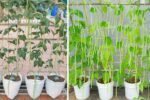
Yes! Broccoli can grow well in containers that are at least 5 gallons in size, as long as they have drainage holes and receive enough sunlight.
5. Do I need to pollinate broccoli?
Broccoli is self-pollinating, so you do not need to worry about pollination for growing edible heads.
6. What should I do if my broccoli starts to flower?
If your broccoli is flowering prematurely (bolting), it’s best to harvest the head and use it immediately, as the quality will decline after flowering.
Conclusion
Growing broccoli at home can be an enjoyable and fulfilling endeavor. With the right planning, care, and attention, you can succeed in bringing this nutritious vegetable from seeds to your table. Following these steps will ensure a bountiful harvest you can take pride in. Happy gardening!