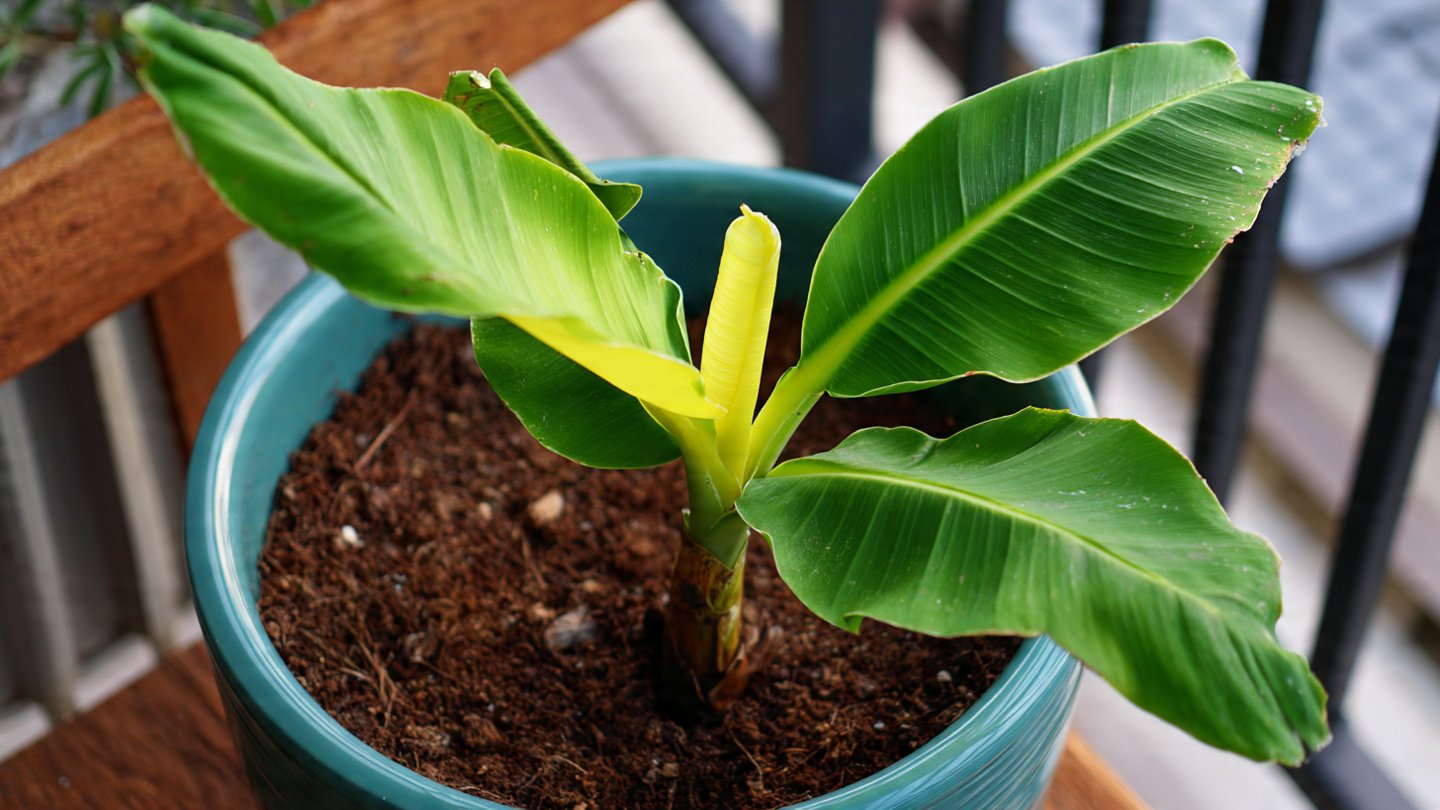
Growing a banana plant in a pot can be a rewarding experience, providing you with lush greenery and the potential for delicious fruit. Although bananas are typically associated with tropical climates, it is possible to cultivate them indoors or on a patio using containers. This article will guide you through the steps required to successfully grow a banana plant in a pot at home, including care, maintenance, and troubleshooting.
Choosing the Right Variety
Before you start, it’s essential to select the right banana variety for pot cultivation. Not all banana plants are suitable for container growth; some varieties can grow extremely large.
Latest Posts
- With Just 1 Bottle of Water How I Was Shocked by What Happened When Growing Vegetables
- Maximize Your Home Garden with the Hanging Pea Sprout Growing Model – Space-Saving, High-Yield, and Easy-to-Manage Vertical Gardening Solution
- Just Water – The Secret to Growing Plump, White Peanut Sprouts Right at Home: A Step-by-Step Guide for Beginners
- Growing Zucchini at Home in a Container: How to Cultivate Large, Long Fruits with a 1-to-72 Day Step-by-Step Diary for Maximum Yield
- Grow Long Beans on the Terrace in Used Recycling Baskets: The Ultimate Guide to Easy, Space-Saving, and High-Yield Terrace Gardening
- How to Grow Tons of Long Beans Easily Without a Garden – A Complete Guide to Growing Healthy Yardlong Beans Without Fertilizers or Pesticides
- Easy Long Bean Growing Trick – No Garden, No Fertilizer, No Pesticide
- Grow Bitter Melon in Bottles — Harvest So Big You Can’t Eat It All! The Ultimate Guide to Bottle Gardening for Maximum Yields
- Growing Garlic Made Easy: No Soil, Fast Results – The Ultimate Guide to Growing Fresh Garlic Indoors Without Traditional Soil
- Wall-Mounted Hydroponic Watermelon System: Grow Large, Juicy, and Delicious Watermelons at Home with Minimal Space and Maximum Yield
Best Varieties for Pots
-
Dwarf Cavendish: One of the most popular choices for home gardening, this variety produces sweet bananas and grows to about 3-5 feet tall.
-
Lady Finger: This smaller variety produces small, sweet bananas and is typically 4-5 feet tall.
-
Red Dacca: Known for its striking red fruit, this banana plant grows to about 6-8 feet, but it can still be managed in a pot.
-
Super Dwarf Cavendish: Ideal for smaller spaces, this compact variety only grows to about 2-3 feet in height.
Where to Buy
You can purchase banana plants from local nurseries, garden centers, or online vendors. Choose a healthy plant with vibrant green leaves and no signs of pests or disease.
Choosing the Right Pot
Size Matters

Select a pot that is at least 12-18 inches in diameter for younger plants. As the plant grows, you may need to repot it into a larger container (at least 24 inches) to give the roots room to expand.
Material Considerations
- Plastic Pots: Lightweight and often less expensive but may not provide adequate drainage.
- Terracotta Pots: These are porous and allow moisture to escape but can dry out quickly.
- Fiber Pots: Made from biodegradable materials, these can help with root health.
Drainage
Ensure the pot has drainage holes to prevent waterlogging, which can lead to root rot.
Soil Requirements
Soil Type
Banana plants thrive in well-draining soil rich in organic matter. A mix of potting soil, compost, and perlite or vermiculite is ideal.
pH Level
Bananas prefer slightly acidic to neutral soil, with a pH level ranging from 5.5 to 7.0. You can test your soil pH with a simple pH meter or test kit.
Planting the Banana
Step-by-Step Guide
- Prepare the Pot: Place a layer of gravel or small stones at the bottom of the pot for drainage.
- Add Soil Mix: Fill the pot with your soil mixture, leaving enough space for the root ball of the banana plant.
- Position the Plant: Gently remove the banana plant from its original container and place it in the pot, ensuring that the top of the root ball is level with the soil surface.
- Fill in the Gaps: Fill around the root ball with soil mix, pressing down lightly to eliminate air pockets.
- Water Thoroughly: After planting, give the plant a thorough watering until water drains out of the bottom.

Location and Light Requirements
Light Conditions
Banana plants thrive in bright, indirect sunlight. If growing indoors, place your pot near a south-facing window where it can receive several hours of light daily.
Outdoor Placement
If you’re growing your banana plant outside, consider a spot with partial shade in hot climates to prevent leaf burn. In cooler climates, ensure the plant is protected from cold winds.
Watering
Frequency
Banana plants need consistent moisture but don’t like to be waterlogged. Aim to keep the soil damp but not soaking wet.
- Indoor Plants: Water every 4-7 days, adjusting based on the moisture level.
- Outdoor Pots: Might need daily watering, especially during hotter months.
Signs of Overwatering or Underwatering
- Overwatering: Yellowing leaves and wilting.
- Underwatering: Browning leaf tips and dry soil.

Fertilizing
Banana plants are heavy feeders. Use a balanced fertilizer (such as a 10-10-10 NPK) every 4-6 weeks during the growing season (spring and summer) to support healthy growth.
Organic Options
Consider using compost tea or organic fertilizers such as fish emulsion or seaweed extract.
Pruning
Pruning helps maintain the health and shape of your banana plant.
When and How to Prune
- Remove Dead Leaves: Regularly trim off any yellow or brown leaves to encourage new growth.
- Cut Back Suckers: If your banana plant produces suckers (small shoots), you can remove these to allow the main plant to focus its energy better.
Pests and Diseases
Banana plants can be susceptible to various pests and diseases.
Common Pests
- Spider Mites: Look for webbing and tiny yellow spots on leaves. Treat with insecticidal soap or neem oil.
- Scale Insects: Small white or brown bumps on leaves. Remove them with a cloth soaked in rubbing alcohol.
- Aphids: Can be washed off with water or treated with neem oil.

Common Diseases
- Fungal Infections: Overwatering can lead to fungal issues like root rot. Ensure proper drainage and avoid getting the leaves wet.
- Banana Bunchy Top Virus: Symptoms include stunted growth and yellowing leaves. If this virus is identified, it’s best to remove and destroy the plant to prevent spreading.
Harvesting
When to Harvest
Bananas typically take 9-12 months to produce fruit. You’ll know they’re ready to harvest when they’re plump and still green.
How to Harvest
Cut the entire bunch from the plant using a sharp knife. Allow the bananas to ripen off the plant at room temperature; they will turn yellow.
FAQs
1. Can I grow a banana plant inside all year round?
Yes, banana plants can be successfully grown indoors as long as they receive sufficient light and moisture.
2. How much space do I need for a banana plant?
While banana plants require space to grow, dwarf varieties do not need as much. A pot that is at least 12-24 inches in diameter should suffice.
3. Why are my banana leaves turning yellow?
Yellowing leaves may indicate overwatering or a nutrient deficiency. Check both soil moisture and consider fertilizing.
4. Can I grow bananas from seeds?
Most bananas grown for fruit cultivation are hybrids and do not produce viable seeds. Instead, focus on purchasing a young plant or suckers.
5. What temperature do banana plants prefer?
Banana plants thrive in temperatures between 75°F to 95°F. Protect them from temperatures below 50°F.
6. How often should I fertilize my banana plant?
Fertilize every 4-6 weeks during the growing season with a balanced fertilizer.
7. What pests should I look out for?
Common pests include spider mites, aphids, and scale insects. Keep an eye on your plant and treat any infestations promptly.
Conclusion
Growing a banana plant in a pot at home can be a delightful and fruitful endeavor. By choosing the right variety, providing the correct conditions, and maintaining good care, you’ll enjoy the lush greenery and, potentially, some sweet bananas right from your own garden. Don’t hesitate to troubleshoot and adjust your care routine based on your plant’s specific needs, and soon, you’ll be reaping the rewards of your hard work!