Ultimate Guide to Growing Cauliflower in Pots for Beginners
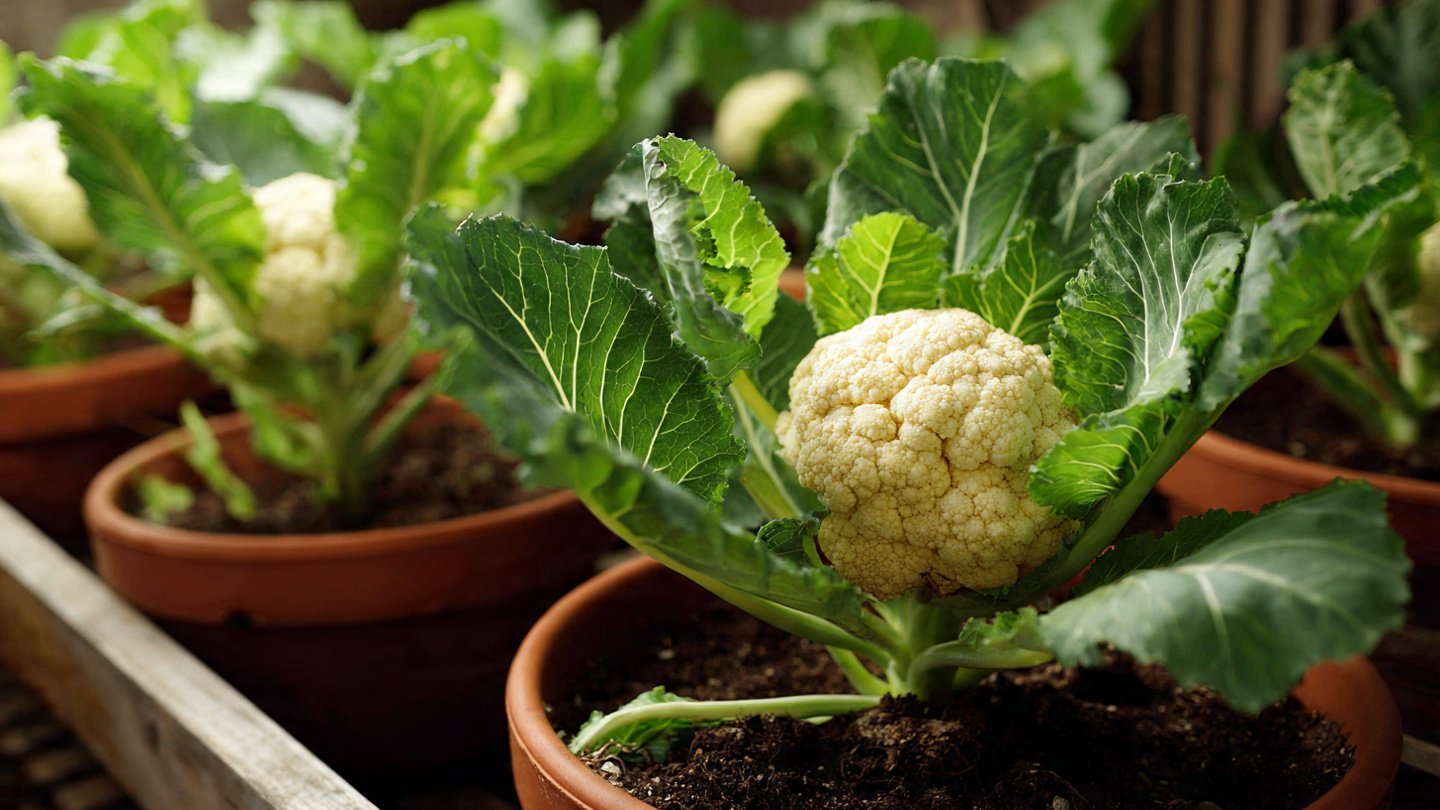
Growing cauliflower in pots can be a rewarding endeavor for both novice and seasoned gardeners alike. Not only does this versatile vegetable thrive in containers, but it also makes an attractive addition to your patio or balcony. In this comprehensive guide, we’ll cover everything you need to know about growing cauliflower in pots, from selecting the right variety to harvesting your crop.
1. Understanding Cauliflower
Cauliflower (Brassica oleracea var. botrytis) is a cool-season crop that belongs to the cabbage family. It’s known for its edible white flower head, which is rich in vitamins C and K, fiber, and antioxidants. While traditionally grown in garden beds, growing cauliflower in pots offers advantages such as mobility, better control over soil quality, and protection from pests.
Latest Posts
- With Just 1 Bottle of Water How I Was Shocked by What Happened When Growing Vegetables
- Maximize Your Home Garden with the Hanging Pea Sprout Growing Model – Space-Saving, High-Yield, and Easy-to-Manage Vertical Gardening Solution
- Just Water – The Secret to Growing Plump, White Peanut Sprouts Right at Home: A Step-by-Step Guide for Beginners
- Growing Zucchini at Home in a Container: How to Cultivate Large, Long Fruits with a 1-to-72 Day Step-by-Step Diary for Maximum Yield
- Grow Long Beans on the Terrace in Used Recycling Baskets: The Ultimate Guide to Easy, Space-Saving, and High-Yield Terrace Gardening
- How to Grow Tons of Long Beans Easily Without a Garden – A Complete Guide to Growing Healthy Yardlong Beans Without Fertilizers or Pesticides
- Easy Long Bean Growing Trick – No Garden, No Fertilizer, No Pesticide
- Grow Bitter Melon in Bottles — Harvest So Big You Can’t Eat It All! The Ultimate Guide to Bottle Gardening for Maximum Yields
- Growing Garlic Made Easy: No Soil, Fast Results – The Ultimate Guide to Growing Fresh Garlic Indoors Without Traditional Soil
- Wall-Mounted Hydroponic Watermelon System: Grow Large, Juicy, and Delicious Watermelons at Home with Minimal Space and Maximum Yield
2. Choosing the Right Cauliflower Variety
Before starting, consider the different cauliflower varieties, as they have varying requirements and growth habits:
- Snowball: A popular white variety, known for its compact head. Ideal for small spaces.
- Purple Cape: This variety offers stunning purple heads and is packed with antioxidants.
- Cheddar: This variety produces orange heads, rich in beta-carotene, giving a unique twist to your garden.
Select a variety that suits your climate and gardening goals, as different types have different maturation times.
3. Selecting the Right Container
When growing cauliflower in pots, selecting the right container is crucial:
- Size: A container that is at least 12-18 inches deep and wide is necessary for the roots to grow properly. Larger pots (20-24 inches) are preferable for multiple plants.
- Material: Choose pots made of durable materials like plastic, terracotta, or fabric. Ensure they have drainage holes to prevent waterlogging.
- Mobility: If you live in a climate with temperature extremes, consider pots on wheels for easy relocation.
4. Soil Preparation
Cauliflower thrives in well-draining, nutrient-rich soil. Here are some tips for preparing the soil:
- Soil Mix: Use a high-quality potting mix that includes compost, peat moss, and perlite for good drainage.
- pH Level: Cauliflower prefers a soil pH between 6.0 and 7.0. You can test your soil using a pH kit and amend it using lime (to raise pH) or sulfur (to lower pH) as needed.
- Fertilization: Mix in a balanced fertilizer or compost into the soil before planting. This will provide essential nutrients.
5. Planting Cauliflower
When to Plant:
Cauliflower grows best in cool weather. Depending on your location, plant cauliflower seeds or seedlings:
- Spring Varieties: Start seeds indoors 6-8 weeks before the last frost date. Transplant them outdoors two weeks before that date.
- Fall Varieties: Sow seeds in mid-summer for a fall harvest.
How to Plant:
- Sowing Seeds Directly: If you opt to sow seeds directly in the pot, plant 1-2 seeds per pot to a depth of 1/4 to 1/2 inch.
- Starting Indoors: If starting indoors, transplant seedlings into pots when they have at least 2-3 leaves.
6. Watering and Maintenance
Proper watering and maintenance are vital for growing healthy cauliflower in pots:
Watering:
- Frequency: Water consistently to keep the soil moist but not soggy. In warm weather, you may need to water daily.
- Method: Water at the base of the plants to avoid wetting the leaves, which can lead to fungal diseases.
Maintenance:
- Weeding: Check regularly for weeds that may compete for nutrients and space.
- Mulching: Apply a layer of organic mulch to retain moisture and suppress weed growth.
7. Sunlight Requirements
Cauliflower requires plenty of sunlight. Aim for:
- Full Sun: Ideally, cauliflower should receive 6-8 hours of direct sunlight each day. In extremely hot climates, some afternoon shade can prevent stress on the plants.
8. Fertilization
To encourage healthy growth, regular fertilization is essential:
- Initial Fertilization: As mentioned, mix a balanced fertilizer into your soil at the time of planting.
- Mid-Season Fertilization: Apply a liquid fertilizer diluted to half strength every three to four weeks during the growing period.
9. Pest and Disease Management
Cauliflower can be susceptible to various pests and diseases:
- Pests: Common pests include aphids, cabbage worms, and slugs. Use insecticidal soap or neem oil as organic pest control methods.
- Diseases: Watch for signs of downy mildew or black rot. Ensure good air circulation and avoid overhead watering to minimize these risks.
10. Harvesting Cauliflower
Timing is everything when it comes to harvesting cauliflower:
- Signs of Maturity: Harvest when the heads are firm and compact, usually when they reach 6-8 inches in diameter.
- Cutting: Use a sharp knife to cut the whole head, leaving a few leaves intact to protect the developing leaves.
11. Storing Cauliflower
After harvesting, proper storage will keep your cauliflower fresh:
- Refrigeration: Store harvested cauliflower in a perforated plastic bag in the refrigerator. It can last for up to a week.
- Freezing: For long-term storage, blanch and freeze cauliflower in airtight containers.
12. Troubleshooting Common Issues
Here are some common problems and solutions when growing cauliflower in pots:
- Yellow Leaves: This is often a sign of nutrient deficiency or overwatering. Check moisture levels and consider fertilizing.
- Small Heads: Insufficient sunlight or space may cause small heads. Ensure adequate light and consider repotting in larger containers.
- Browning or Wilting: This can indicate heat stress or underwatering. Monitor water levels and provide shade on extremely hot days.
FAQs
1. Can cauliflower be grown in a small pot?
- While it’s best to use a larger pot, you can grow a single cauliflower plant in a small container (12-14 inches), but you may need to provide more frequent care.
2. How often should I water cauliflower in pots?
- Water the cauliflower regularly, especially in warm weather. The top inch of soil should remain moist but not soggy.
3. What temperature is best for growing cauliflower?
- Cauliflower grows best in temperatures between 60°F to 70°F (15°C to 21°C). Extreme heat can cause the heads to bolt or become small.
4. Can I grow cauliflower indoors?
- Yes, you can grow cauliflower indoors as long as it receives sufficient light (ideally use grow lights).
5. How long does it take for cauliflower to mature?
- Cauliflower typically takes 70 to 100 days from seed to maturity, depending on the variety.
6. Do I need to prune my cauliflower plants?
- Pruning is not necessary, but removing damaged leaves can help improve airflow and reduce disease risk.
7. What is the best fertilizer for cauliflower?
- A balanced fertilizer (10-10-10) or a specific vegetable fertilizer is ideal.
Conclusion
Growing cauliflower in pots can be a rewarding and potentially space-saving gardening method. With the right planning, care, and attention, you can enjoy a bountiful harvest of this nutritious vegetable. Happy gardening!