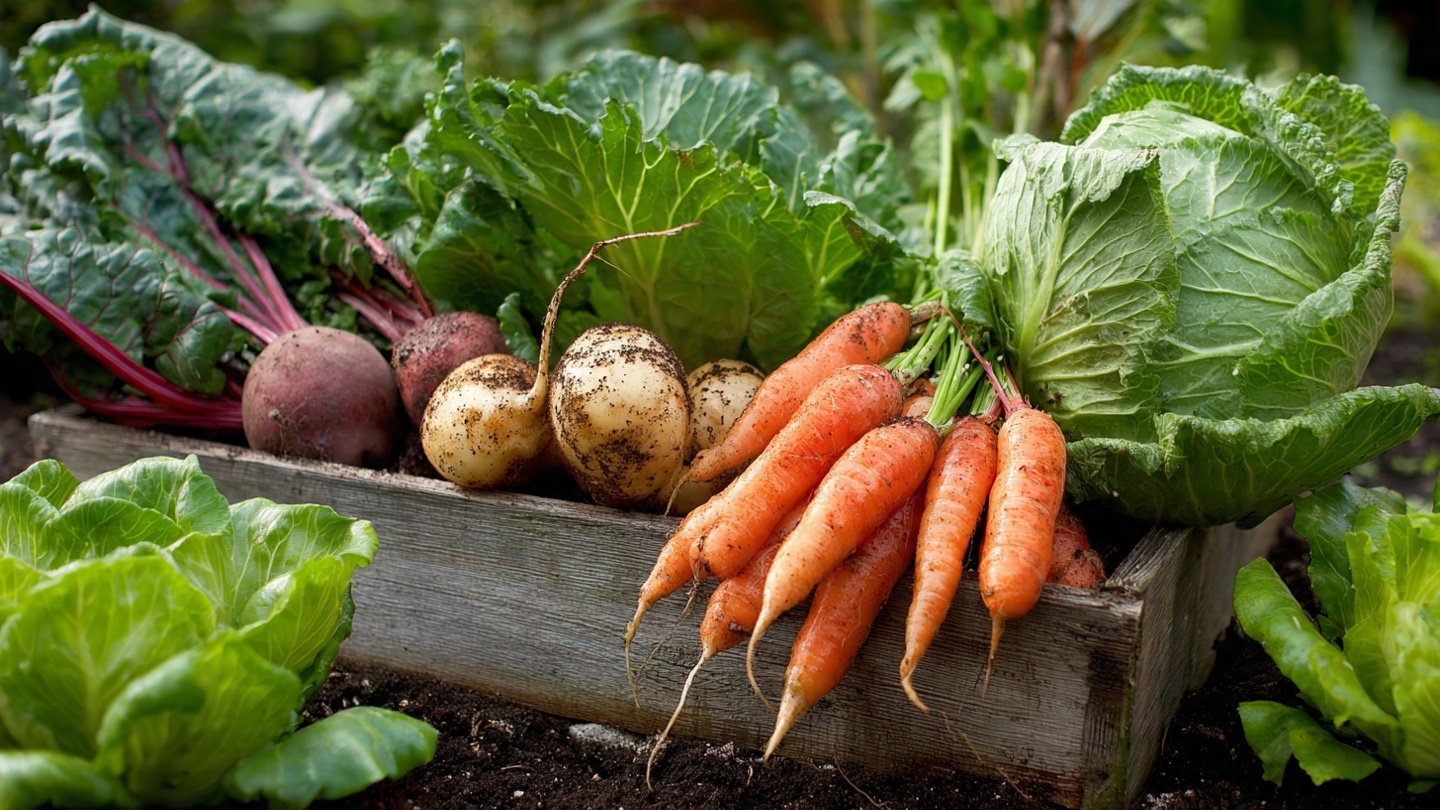
Gardening is a fulfilling and often therapeutic hobby that allows individuals to connect with nature, grow their own food, and embrace sustainability. For new gardeners, it’s essential to start with vegetables that are easy to grow and maintain. This article will delve into the top eight vegetables perfect for beginners, providing you with the knowledge to cultivate a thriving garden.
1. Lettuce
Overview:
Latest Posts
- With Just 1 Bottle of Water How I Was Shocked by What Happened When Growing Vegetables
- Maximize Your Home Garden with the Hanging Pea Sprout Growing Model – Space-Saving, High-Yield, and Easy-to-Manage Vertical Gardening Solution
- Just Water – The Secret to Growing Plump, White Peanut Sprouts Right at Home: A Step-by-Step Guide for Beginners
- Growing Zucchini at Home in a Container: How to Cultivate Large, Long Fruits with a 1-to-72 Day Step-by-Step Diary for Maximum Yield
- Grow Long Beans on the Terrace in Used Recycling Baskets: The Ultimate Guide to Easy, Space-Saving, and High-Yield Terrace Gardening
- How to Grow Tons of Long Beans Easily Without a Garden – A Complete Guide to Growing Healthy Yardlong Beans Without Fertilizers or Pesticides
- Easy Long Bean Growing Trick – No Garden, No Fertilizer, No Pesticide
- Grow Bitter Melon in Bottles — Harvest So Big You Can’t Eat It All! The Ultimate Guide to Bottle Gardening for Maximum Yields
- Growing Garlic Made Easy: No Soil, Fast Results – The Ultimate Guide to Growing Fresh Garlic Indoors Without Traditional Soil
- Wall-Mounted Hydroponic Watermelon System: Grow Large, Juicy, and Delicious Watermelons at Home with Minimal Space and Maximum Yield
Lettuce is a fantastic starting point for new gardeners due to its quick growth and low maintenance requirements. Available in various types, including romaine, butterhead, and looseleaf, lettuce can be sown directly into the soil or started indoors.
Tips for Growing Lettuce:
- Soil: Use well-drained soil enriched with compost.
- Sunlight: Lettuce prefers full sun to partial shade, especially in warmer climates.
- Watering: Keep the soil consistently moist but avoid waterlogging.
Harvesting:
Lettuce can be harvested as soon as it reaches a suitable size, typically within 30 to 70 days, depending on the variety. You can cut the outer leaves while allowing the center to continue growing.
2. Radishes
Overview:
Radishes are one of the fastest-growing vegetables and are perfect for impatient gardeners. They can grow from seed to harvest in as little as three weeks, making them a satisfying choice for beginners.
Tips for Growing Radishes:
- Soil: Light, well-draining soil is essential.
- Sunlight: Radishes thrive in full sun but can tolerate some shade.
- Watering: Regular watering is crucial to prevent them from becoming too spicy or woody.

Harvesting:
Radishes are ready to be harvested when they are about 1 inch in diameter. Pull them gently from the soil and enjoy them fresh in salads or as snacks.
3. Carrots
Overview:
Carrots are not only nutritious but also relatively easy to grow. These root vegetables come in a variety of colors, including orange, purple, and yellow, adding a splash of color to your garden.
Tips for Growing Carrots:
- Soil: Carrots prefer loose, sandy soil free from rocks to grow straight and unblemished.
- Sunlight: They require full sun for optimal growth.
- Watering: Keep the soil consistently moist during germination, which takes about 2-3 weeks.
Harvesting:
Carrots are typically ready for harvest in 70 to 80 days, but you can pull them earlier for baby carrots. Harvest gently to avoid breaking the roots.
4. Green Beans
Overview:
Green beans are another beginner-friendly vegetable. They can be grown in a garden bed or in containers, making them versatile for any garden space. Their climbing nature saves space and encourages vertical gardening.

Tips for Growing Green Beans:
- Soil: Beans do best in fertile, well-draining soil.
- Sunlight: Full sun is essential for healthy growth.
- Watering: Regular watering is essential, especially once they begin to flower.
Harvesting:
You can pick green beans when they are about 4 to 6 inches long, usually around 50 to 60 days after planting. Regular harvesting encourages more production.
5. Zucchini
Overview:
Zucchini, or summer squash, is notorious for its prolific growth. One or two plants can produce an impressive yield, making it a rewarding choice for new gardeners.
Tips for Growing Zucchini:
- Soil: Use nutrient-rich, well-drained soil.
- Sunlight: Zucchini enjoys full sun.
- Watering: Water consistently, especially during hot spells.
Harvesting:
Harvest zucchini when they are about 6 to 8 inches long, typically within 50 to 60 days of planting. Frequent harvesting encourages the plant to produce even more.

6. Spinach
Overview:
Spinach is a nutrient-dense leafy green that grows relatively quickly and can be harvested multiple times in a season. It’s suitable for early spring or late summer planting.
Tips for Growing Spinach:
- Soil: Rich, well-draining soil with plenty of organic matter is ideal.
- Sunlight: Spinach thrives in full sun to partial shade.
- Watering: Regular, even watering helps prevent bolting (going to seed).
Harvesting:
You can start harvesting spinach leaves in about 30 to 40 days. Picking outer leaves allows the inner leaves to continue growing.
7. Peas
Overview:
Peas are a cool-season crop that is easy to grow and can be sown early in the spring. Their sweet, crunchy pods are a delightful addition to salads and meals.
Tips for Growing Peas:
- Soil: Well-draining, fertile soil is necessary for the best growth.
- Sunlight: Peas prefer full sun.
- Watering: Keep the soil consistently moist, especially during flowering.

Harvesting:
You can typically harvest peas about 60 days after planting. Pick them when the pods are plump but not overly mature.
8. Cucumbers
Overview:
Cucumbers are refreshing, versatile, and relatively easy to grow. They can be vine or bush types, making them suitable for different garden spaces.
Tips for Growing Cucumbers:
- Soil: Well-drained, fertile soil is important for success.
- Sunlight: Cucumbers require full sun to thrive.
- Watering: Regular watering is essential for healthy growth.
Harvesting:
Cucumbers are usually ready for harvest within 50 to 70 days. Pick them when they are firm and before they turn yellow for the best flavor.
FAQs
1. What is the best time to plant vegetables for beginners?
The best time to plant vegetables depends on your local climate. Generally, spring is ideal for most vegetables, with some, like peas and spinach, suitable for early sowing. Check your local frost dates for the best planting times.
2. Do I need to start seeds indoors or can I plant them directly in the soil?
Many beginner-friendly vegetables can be sown directly in the garden, including carrots, radishes, and beans. Starting seeds indoors can be beneficial for longer-growing varieties or in cooler climates.
3. How often should I water my vegetable garden?
Watering frequency depends on several factors, including weather, soil type, and plant growth stage. A good rule of thumb is to provide about 1 inch of water per week, either through rainfall or supplemental watering.
4. Can I grow vegetables in containers?
Yes! Many vegetables, such as tomatoes, peppers, and summer squash, thrive in containers. Ensure the containers have proper drainage and are large enough for the root systems.
5. Are there any vegetables that are harder to grow for beginners?
Yes, some vegetables, like artichokes, Brussels sprouts, and certain varieties of tomatoes, can be more challenging. It’s best to start with easier vegetables to build your confidence and skills.
6. What can I do to improve my soil quality?
To improve soil quality, incorporate organic matter such as compost or well-rotted manure. Testing your soil’s pH can also help guide you on what amendments may be necessary.
Conclusion
Starting a vegetable garden can be an incredibly rewarding experience. By focusing on these top eight vegetables that are perfect for beginners, you’ll have a strong foundation to build upon in your gardening journey. Each of these vegetables offers ease of growth, a generous yield, and delicious results that will encourage you to keep cultivating your green thumb. Happy gardening!