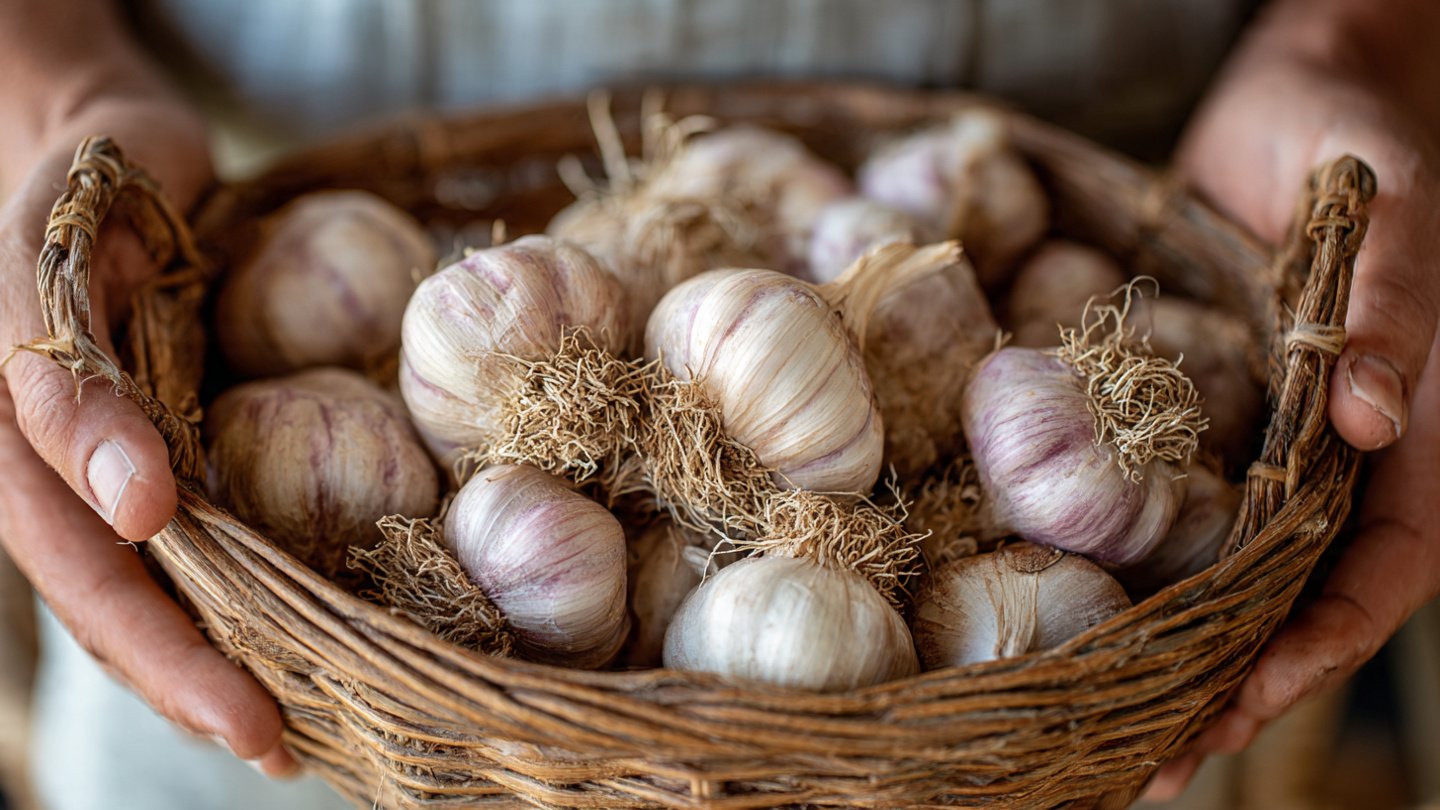
Garlic, a beloved staple in kitchens around the world, offers not only robust flavors but also numerous health benefits. Growing garlic at home can be a rewarding endeavor, allowing you to enjoy fresh flavors and the satisfaction of cultivating your own food. In this ultimate guide, we will walk you through everything you need to know about growing garlic at home, including its types, planting techniques, care tips, harvesting methods, and storage, as well as addressing some frequently asked questions.
1. Why Grow Garlic at Home?
Before diving into the how-to aspects of garlic cultivation, it’s worth noting why you might want to grow garlic at home:
Latest Posts
- With Just 1 Bottle of Water How I Was Shocked by What Happened When Growing Vegetables
- Maximize Your Home Garden with the Hanging Pea Sprout Growing Model – Space-Saving, High-Yield, and Easy-to-Manage Vertical Gardening Solution
- Just Water – The Secret to Growing Plump, White Peanut Sprouts Right at Home: A Step-by-Step Guide for Beginners
- Growing Zucchini at Home in a Container: How to Cultivate Large, Long Fruits with a 1-to-72 Day Step-by-Step Diary for Maximum Yield
- Grow Long Beans on the Terrace in Used Recycling Baskets: The Ultimate Guide to Easy, Space-Saving, and High-Yield Terrace Gardening
- How to Grow Tons of Long Beans Easily Without a Garden – A Complete Guide to Growing Healthy Yardlong Beans Without Fertilizers or Pesticides
- Easy Long Bean Growing Trick – No Garden, No Fertilizer, No Pesticide
- Grow Bitter Melon in Bottles — Harvest So Big You Can’t Eat It All! The Ultimate Guide to Bottle Gardening for Maximum Yields
- Growing Garlic Made Easy: No Soil, Fast Results – The Ultimate Guide to Growing Fresh Garlic Indoors Without Traditional Soil
- Wall-Mounted Hydroponic Watermelon System: Grow Large, Juicy, and Delicious Watermelons at Home with Minimal Space and Maximum Yield
- Flavor: Homegrown garlic tends to be fresher and more flavorful than store-bought varieties.
- Health Benefits: Garlic is known for its immune-boosting and anti-inflammatory properties.
- Cost-Effective: Growing your own means less spending at the grocery store.
- Sustainability: Cultivating your food contributes to a more sustainable lifestyle.
2. Choosing the Right Garlic Varieties
Garlic generally falls into two categories: hardneck and softneck. Each type has its own unique characteristics and ideal growing conditions.
Hardneck Garlic
- Characteristics: Produces a flower stem (scape) and typically has fewer, larger cloves.
- Flavor: Often stronger and more complex than softneck varieties.
- Growing Conditions: Prefers cooler climates; best planted in the fall.
Popular Varieties:
- Rocambole: Has a rich flavor and excellent storage qualities.
- Porcelain: Known for its large bulbs and strong taste.
Softneck Garlic
- Characteristics: Does not produce a flower stem and usually has more cloves in each bulb.
- Flavor: Milder than hardneck garlic but better suited for braiding.
- Growing Conditions: Tolerates warmer climates; can be planted in the fall or spring.
Popular Varieties:
- Artichoke: Mild flavor, good for southern climates.
- Silverskin: Excellent for long-term storage.
3. Preparing for Planting
Selecting the Right Location
Garlic thrives in locations that receive full sun for at least 6 hours a day. A well-draining soil with a pH level between 6.0 and 7.0 is ideal.
Soil Preparation
- Testing the Soil: Conduct a soil test to check pH and nutrients.
- Improving Soil Quality: Amend the soil with organic matter such as compost or well-rotted manure to enhance fertility and drainage.
Bulb Selection
- Source High-Quality Bulbs: Purchase certified disease-free garlic bulbs from local nurseries or reputable online vendors.
- Separating Cloves: A week before planting, separate the cloves from the bulb, keeping the papery skin intact.
4. Garlic Planting Techniques
When to Plant
- Fall Planting: Recommended for northern climates, garlic should be planted 4–6 weeks before the ground freezes, typically in mid-October to November.
- Spring Planting: In warmer regions, garlic can be planted in early spring as soon as the soil is workable.
Planting Steps
- Spacing: Make holes in the soil about 2 inches deep and 4–6 inches apart. Rows should be spaced 12–18 inches apart.
- Positioning: Plant each clove with the pointed end facing upward.
- Covering: Gently cover the cloves with soil and water thoroughly.
5. Caring for Your Garlic
Watering
- Consistency is Key: Water garlic regularly, providing about an inch of water per week. Be cautious not to over-water as garlic is prone to rot in soggy soil.
Fertilizing
- Apply a balanced fertilizer in early spring as the shoots begin to grow. Organic options like bone meal or fish emulsion can also be beneficial in promoting growth.
Mulching
- Use straw or shredded leaves to mulch around your garlic. This helps retain moisture, suppresses weeds, and protects the bulbs during extreme weather.
Weeding
- Keep the area free from weeds, especially in the early stages of growth. Weeds compete for nutrients and water, potentially weakening your garlic plants.
6. Managing Pests and Diseases
Garlic is relatively resilient but is not immune to pests and diseases.
Common Pests
- Onion Flies and Thrips: Implement row covers or natural insecticides like neem oil to manage infestations.
Diseases
- Rust and Fungal Infections: Rotate crops and avoid overhead watering to prevent fungal diseases. If infections occur, remove affected plants immediately.
7. Harvesting Garlic
Knowing when to harvest garlic is crucial for obtaining the best flavor and storage quality.
Timing
- Garlic is typically ready for harvest in mid to late summer, about 8–10 months after planting.
- Look for the lower leaves to yellow and dry; approximately one-third of the leaves should remain green.
Harvesting Steps
- Lifting: Use a garden fork or shovel to gently lift the bulbs from the soil. Be careful not to bruise or damage them.
- Cleaning: Shake off excess dirt but avoid washing the bulbs, as moisture can lead to rot.
8. Curing and Storing Garlic
Curing Process
- Location: Place garlic bulbs in a cool, dark, and well-ventilated area (like a basement) for 2–3 weeks.
- Trimming: After curing, trim the roots and cut the stems about 1 inch above the bulb.
Storing Garlic
- Store dried bulbs in a cool, dark place, ideally in mesh bags or baskets that allow air circulation. Properly stored garlic can last for several months.
9. Frequently Asked Questions (FAQs)
1. How much garlic can I grow in a small garden?
You can plant about 8–12 cloves per square foot, depending on their variety, allowing for adequate space. A small plot can yield several pounds!
2. Can garlic be grown in containers?
Yes, garlic can be grown in containers as long as they are deep enough (at least 8–10 inches) and have good drainage.
3. What should I do if my garlic plants don’t grow?
If your garlic doesn’t sprout, check for diseases, pests, or unfavorable weather conditions. Ensure that the soil is not too wet and that it has good drainage.
4. How can I save garlic for next year’s planting?
You can save your largest, healthiest bulbs for planting the next season. Just ensure they are disease-free and well-stored.
5. Are there any companion plants for garlic?
Yes, garlic grows well with carrots, tomatoes, and roses, as it helps to ward off pests. Avoid planting it with beans and peas, which may stunt its growth.
6. Why are my garlic bulbs small?
Garlic bulbs may be small due to overcrowding, insufficient nutrients, or inadequate watering. Make sure to follow proper spacing and care guidelines.
Conclusion
Growing garlic at home is a simple and rewarding experience that requires a bit of planning and care. Whether you have a sprawling garden or a small balcony, with the right approach, you can cultivate your garlic successfully. Enjoy the process, and soon you’ll be harvesting your own bulbs, enhancing your culinary creations, and benefiting from the numerous health advantages garlic provides. Happy gardening!