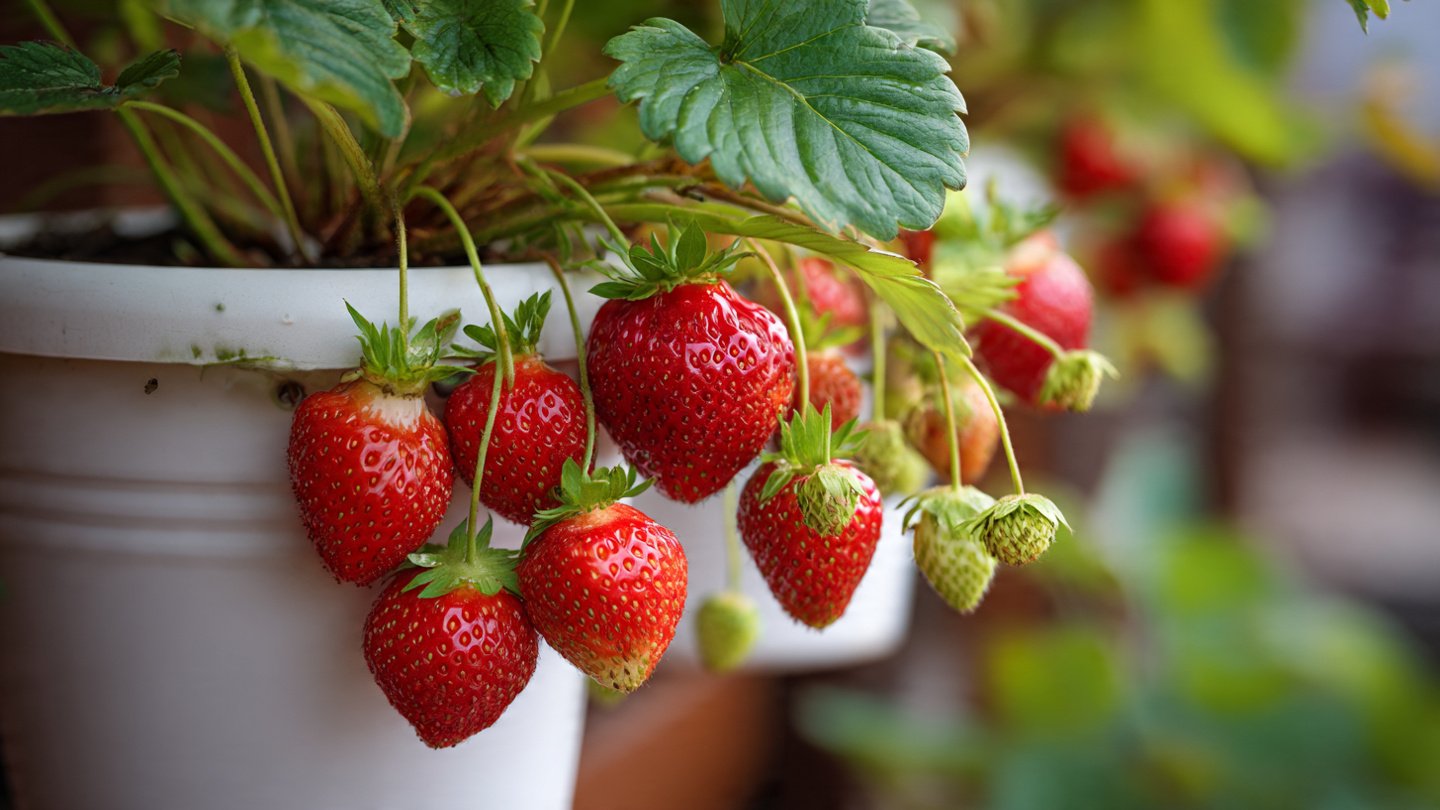
Growing strawberries from seeds can be a rewarding endeavor for any home gardener. While it may seem daunting at first, with the right knowledge and techniques, you can cultivate delicious strawberries right in your garden. In this comprehensive guide, we will explore the steps necessary for successful strawberry cultivation from seed, along with common pitfalls and a FAQs section at the end to address common concerns.
1. Understanding Strawberry Varieties
Before diving into the planting process, it’s essential to understand the varieties of strawberries available. Generally, strawberries are categorized into three main types:
Latest Posts
- With Just 1 Bottle of Water How I Was Shocked by What Happened When Growing Vegetables
- Maximize Your Home Garden with the Hanging Pea Sprout Growing Model – Space-Saving, High-Yield, and Easy-to-Manage Vertical Gardening Solution
- Just Water – The Secret to Growing Plump, White Peanut Sprouts Right at Home: A Step-by-Step Guide for Beginners
- Growing Zucchini at Home in a Container: How to Cultivate Large, Long Fruits with a 1-to-72 Day Step-by-Step Diary for Maximum Yield
- Grow Long Beans on the Terrace in Used Recycling Baskets: The Ultimate Guide to Easy, Space-Saving, and High-Yield Terrace Gardening
- How to Grow Tons of Long Beans Easily Without a Garden – A Complete Guide to Growing Healthy Yardlong Beans Without Fertilizers or Pesticides
- Easy Long Bean Growing Trick – No Garden, No Fertilizer, No Pesticide
- Grow Bitter Melon in Bottles — Harvest So Big You Can’t Eat It All! The Ultimate Guide to Bottle Gardening for Maximum Yields
- Growing Garlic Made Easy: No Soil, Fast Results – The Ultimate Guide to Growing Fresh Garlic Indoors Without Traditional Soil
- Wall-Mounted Hydroponic Watermelon System: Grow Large, Juicy, and Delicious Watermelons at Home with Minimal Space and Maximum Yield
-
June-bearing strawberries: These varieties produce a single, large harvest in late spring or early summer, making them a great choice if you want a big crop all at once.
-
Everbearing strawberries: These produce fruit throughout the growing season, albeit in smaller quantities compared to June-bearing types. They thrive in a variety of climates and provide fruit from late spring until the first frost.
-
Day-neutral strawberries: These can produce fruit regardless of day length, allowing for a continuous harvest in the right conditions.
Choose a variety that suits your climate and gardening preferences for optimal results.
2. Preparing to Grow Strawberries from Seed
Seed Selection
Start by selecting high-quality seeds from a reputable source. Look for varieties bred specifically for your growing zone. Some popular seed options include:
-
Albion: An everbearing variety known for its sweet flavor and high yield.
-
Seascape: A day-neutral variety that produces large, flavorful berries.
-
Chandler: A June-bearing favorite with a rich taste and good disease resistance.
Germination Conditions
Strawberry seeds require specific conditions to germinate. They typically require:
-
Light: Unlike many seeds, strawberry seeds need light for germination. Avoid covering them with soil.
-
Temperature: The ideal temperature range for germination is between 65°F to 75°F (18°C – 24°C).
-
Moisture: Seeds should remain moist but not soggy. Use a spray bottle to mist them gently.
Stratification
Most strawberry seeds benefit from a process called stratification. This mimics winter conditions to encourage germination when spring arrives. To stratify strawberry seeds:
- Mix the seeds with slightly damp vermiculite or peat moss in a zip-lock bag.
- Seal the bag and place it in the refrigerator for 3-4 weeks.
- Check regularly to ensure the medium remains moist but not wet.
After stratification, the seeds are ready for planting.
3. Planting Strawberry Seeds
Choosing Containers
Use seed trays or small pots with drainage holes to plant the seeds. Bio-degradable pots are an excellent option, allowing you to transplant seedlings without disturbing the roots.
Planting Technique
- Fill your containers with seed-starting mix, leaving about half an inch from the top.
- Sow the seeds evenly across the surface of the soil. Do not bury them.
- Mist the soil surface gently to keep it moist.
Positioning
Place the trays or pots in a warm area with plenty of light. If sunlight is limited, consider using grow lights.
Watering Tips
Keep the soil consistently moist but not waterlogged. Use a spray bottle or small watering can to avoid over-saturating the soil.
4. Caring for Your Seedlings
Once seedlings emerge, they’ll need proper care to ensure healthy growth.
Light Requirements
Strawberry seedlings require at least 12-16 hours of light daily. If you’re using grow lights, position them a few inches above the plants and adjust accordingly as they grow.
Temperature Control
Maintain indoor temperatures around 65°F to 75°F (18°C – 24°C) during the day. A slight drop in temperature at night can mimic natural conditions and promote growth.
Thinning Seedlings
Once seedlings develop two sets of true leaves, thin them out to prevent overcrowding. Leave the strongest plants to grow, removing weaker ones gently.
Fertilization
Start fertilizing your seedlings at about 4-6 weeks after germination. Use a diluted, balanced liquid fertilizer every couple of weeks.
5. Transplanting Seedlings Outdoors
Timing
Transplant seedlings outdoors when they have at least four to six true leaves and the risk of frost has passed. This typically occurs in late spring to early summer, depending on your location.
Choosing the Right Location
Select a sunny spot in your garden. Strawberries thrive in well-drained soil with a pH of 5.5 to 6.5. If your soil is heavy, consider adding organic matter like compost to improve drainage and nutrient content.
Preparing the Garden Bed
- Clear the area of weeds and debris.
- Till the soil to a depth of about 12 inches and mix in organic compost or well-rotted manure.
- Create rows spaced 18-24 inches apart.
Planting Technique
- Dig holes for each seedling, ensuring that roots can spread freely.
- Carefully remove the seedlings from their containers, taking care not to disturb the roots.
- Place each seedling in its hole, ensuring the crown (where the roots meet the leaves) is level with the soil surface.
- Backfill the holes and gently press the soil around the seedlings.
- Water thoroughly after planting.
6. Ongoing Care and Maintenance
Watering
Strawberries need consistent moisture, especially during flowering and fruiting. Water 1-2 inches per week, ensuring the soil is moist but not soggy.
Mulching
Apply a layer of organic mulch around the plants to retain moisture, suppress weeds, and maintain soil temperature. Straw, wood chips, or shredded leaves work well.
Fertilization
Fertilize in early spring with a balanced product, and again after the first harvest to encourage further growth. Avoid over-fertilizing, as this can lead to excessive leaf growth at the expense of fruit production.
Pest and Disease Management
Monitor for pests like aphids, slugs, and spider mites. Use organic pest control methods like neem oil or insecticidal soap. Prevent diseases by ensuring good air circulation around plants and avoiding overhead watering.
7. Harvesting Strawberries
Your hard work will pay off with delicious strawberries ready for harvest! Here’s how to tell when they’re ripe:
-
Color: Strawberries should be fully red with no green patches.
-
Firmness: They should feel firm but slightly soft when squeezed.
-
Pull Test: Gently tug on the berry; it should easily pull away from the stem.
Harvest early in the morning for the best flavor and store them in a cool place.
FAQs
How long does it take to grow strawberries from seed?
It usually takes about 4-6 weeks for the seeds to germinate, followed by further growth before transplanting. The time from planting to harvest can be around 4-6 months, depending on the variety.
Can I grow strawberries indoors?
Yes, strawberries can be successfully grown indoors if provided with sufficient light (12-16 hours) and a suitable growing medium. Consider using compact varieties or hanging baskets.
Do I need to fertilize strawberries regularly?
Yes, regular fertilization is important, especially during the growing season. Use a balanced fertilizer and follow the recommended feeding schedule.
How often should I water my strawberry plants?
Strawberries require consistent moisture, typically around 1-2 inches per week. Adjust based on rainfall and temperature.
Can strawberries be grown in containers?
Absolutely! Strawberries do well in containers, provided they have ample drainage and receive enough sunlight. Consider using balcony or patio planters for easy gardening.
What pests should I watch out for?
Common pests include aphids, spider mites, slugs, and birds. Employ organic pest control methods and consider netting to protect your plants.
Conclusion
Growing strawberries from seed in your home garden may require patience and dedication but the rewards are plentiful. With the right care, you can enjoy fresh, sweet strawberries right from your backyard. Follow these steps and FAQs to ensure a successful strawberry-growing experience, and soon enough, you’ll be savoring the delicious fruits of your labor!