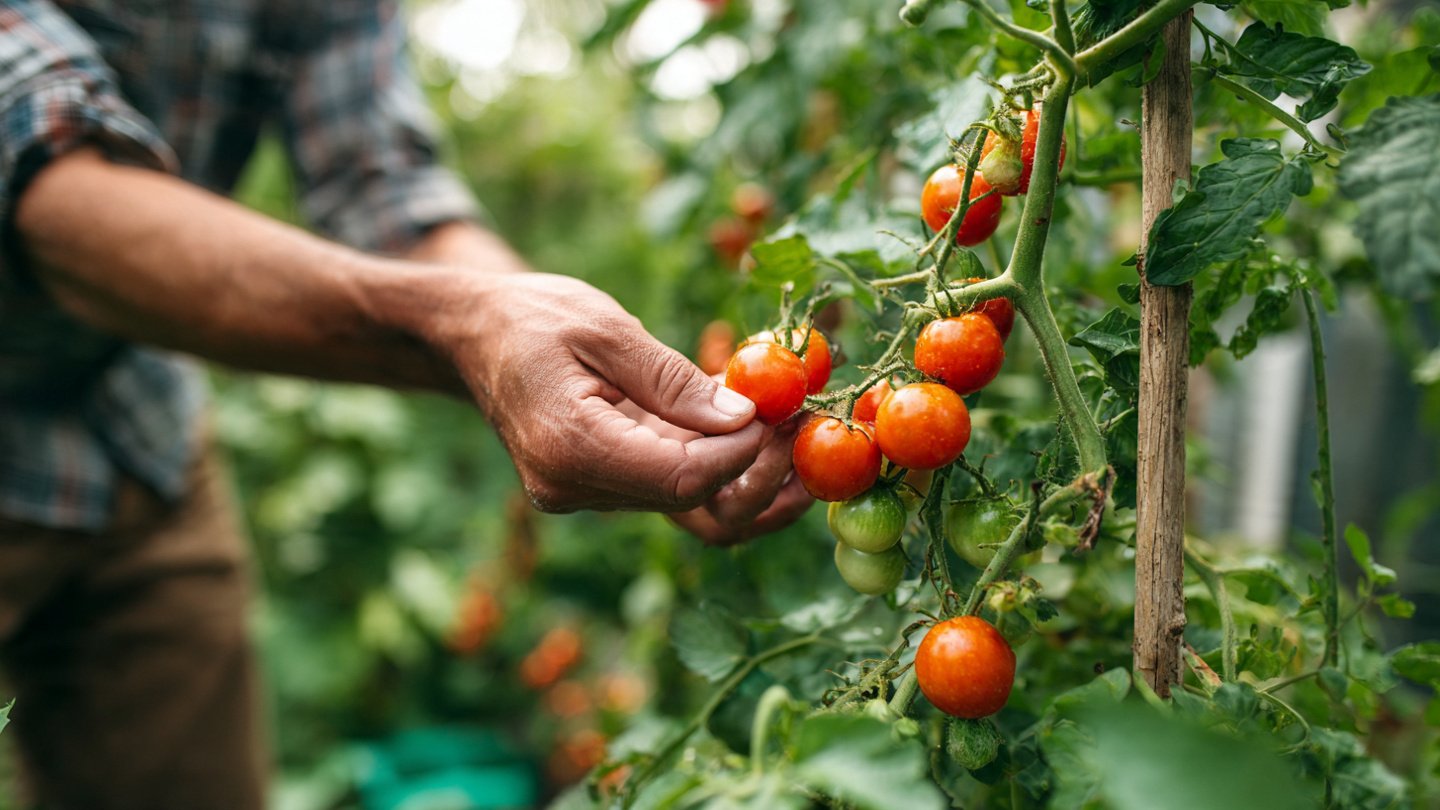
Cherry tomatoes are a garden favorite due to their sweet flavor, vibrant color, and versatility in various dishes. Whether you’re an experienced gardener or a beginner, growing cherry tomatoes can be immensely rewarding. This guide provides you with everything you need to know about growing, caring for, and harvesting delicious cherry tomatoes in your home garden.
Table of Contents
- With Just 1 Bottle of Water How I Was Shocked by What Happened When Growing Vegetables
- Maximize Your Home Garden with the Hanging Pea Sprout Growing Model – Space-Saving, High-Yield, and Easy-to-Manage Vertical Gardening Solution
- Just Water – The Secret to Growing Plump, White Peanut Sprouts Right at Home: A Step-by-Step Guide for Beginners
- Growing Zucchini at Home in a Container: How to Cultivate Large, Long Fruits with a 1-to-72 Day Step-by-Step Diary for Maximum Yield
- Grow Long Beans on the Terrace in Used Recycling Baskets: The Ultimate Guide to Easy, Space-Saving, and High-Yield Terrace Gardening
- How to Grow Tons of Long Beans Easily Without a Garden – A Complete Guide to Growing Healthy Yardlong Beans Without Fertilizers or Pesticides
- Easy Long Bean Growing Trick – No Garden, No Fertilizer, No Pesticide
- Grow Bitter Melon in Bottles — Harvest So Big You Can’t Eat It All! The Ultimate Guide to Bottle Gardening for Maximum Yields
- Growing Garlic Made Easy: No Soil, Fast Results – The Ultimate Guide to Growing Fresh Garlic Indoors Without Traditional Soil
- Wall-Mounted Hydroponic Watermelon System: Grow Large, Juicy, and Delicious Watermelons at Home with Minimal Space and Maximum Yield
- Choosing the Right Varieties
- Preparing Your Garden
- Planting Cherry Tomatoes
- Watering and Fertilizing
- Pests and Diseases
- Pruning and Supporting Your Plants
- Harvesting Your Cherry Tomatoes
- Storing and Using Your Tomatoes
- FAQs
Latest Posts
1. Choosing the Right Varieties
When selecting cherry tomato varieties, consider your climate, garden space, and personal preferences. Some popular options include:
- Sweet 100: Known for its high yields and delightful sweetness, perfect for snacking.
- Sun Gold: A hybrid variety that ripens to a bright orange, offering a rich, tropical flavor.
- Black Cherry: Darker in color, these tomatoes offer a unique flavor profile with a hint of smokiness.
- Yellow Pear: A small, pear-shaped variety that is mild in flavor and great for salads.
Choose determinate varieties if you want a compact plant that sets fruit all at once, or indeterminate varieties for continuous harvests throughout the growing season.
2. Preparing Your Garden
Location: Cherry tomatoes thrive in full sunlight, so select a spot that receives at least 6-8 hours of sunlight daily. Ensure the area has good air circulation to prevent diseases.
Soil Preparation: Tomatoes prefer well-drained, loamy soil rich in organic matter. Conduct a soil test to check the pH (ideal range is 6.0 to 6.8). Amend your soil with compost or well-rotted manure to enhance fertility.
Basic Soil Preparation Steps:
- Remove weeds and debris from the planting area.
- Loosen the soil to a depth of at least 12 inches.
- Mix in compost or organic fertilizers to enrich the soil.
3. Planting Cherry Tomatoes
Timing: Plant cherry tomatoes outdoors after the last frost date in your area. Start seeds indoors 6-8 weeks before the last frost date or purchase young plants from a nursery.
Planting Method:
- Dig holes about 2 feet apart (for indeterminate varieties) or 1.5 feet apart (for determinate).
- If starting from seeds, plant them about ¼ inch deep.
- If transplanting seedlings, bury them up to the first set of true leaves to encourage root development.
- Water thoroughly after planting.
4. Watering and Fertilizing
Watering: Consistent moisture is crucial for healthy tomato plants. Water deeply at the base of the plants once a week, increasing frequency during hot, dry spell. Avoid overhead watering, as this can lead to diseases.
Fertilizing: Use a balanced fertilizer, preferably one specifically formulated for tomatoes. Apply it every 4-6 weeks. Be cautious not to over-fertilize, as this can lead to lush foliage with fewer fruits.

5. Pests and Diseases
Cherry tomatoes can fall prey to various pests and diseases. Here are some common ones and how to handle them:
Pests:
- Aphids: Small, soft-bodied insects that can be controlled using insecticidal soap or by introducing beneficial insects like ladybugs.
- Cutworms: They can harm seedlings; protect young plants using collars of cardboard around the base.
- Spider mites: Increase plant humidity and use insecticidal soap to manage infestations.
Diseases:
- Powdery mildew: Keep air circulation good and avoid overhead watering to prevent this fungal disease.
- Blight: Early blight and late blight can be managed by crop rotation, selecting resistant varieties, and removing infected foliage.
6. Pruning and Supporting Your Plants
Pruning: Regularly prune your cherry tomato plants to remove suckers—small shoots that grow in the leaf axils. This focuses the plant’s energy on producing fruit rather than foliage.
Supporting: Use stakes, cages, or trellises to support indeterminate varieties. This helps keep the fruit off the ground, reducing rot and improving air circulation.
7. Harvesting Your Cherry Tomatoes
Timing your harvest is crucial to enjoy the sweet flavor of cherry tomatoes. Harvest when the fruits are fully colored and slightly firm to the touch. Gently twist and pull the fruit from the vine, avoiding damage to the plants.
Harvest Tips:
- Regularly check your plants, as cherry tomatoes ripen quickly.
- Harvest early in the morning when temperatures are cooler for the best flavor.
8. Storing and Using Your Tomatoes
Freshly harvested cherry tomatoes can be enjoyed in a variety of ways. Here are some storage and usage tips:
- Storage: Store at room temperature for a few days, as refrigeration can ruin the flavor and texture. For a longer lifespan, consider canning or making salsa.
- Using: Enjoy them fresh in salads, pasta dishes, or roasted with olive oil. Cherry tomatoes can also be dried or used in preserves.
9. FAQs
Q1: How do I know when my cherry tomatoes are ripe?
A1: Cherry tomatoes are ripe when they are fully colored, firm to the touch, and easily detach from the vine with a gentle twist.
Q2: Can I grow cherry tomatoes in containers?
A2: Yes, cherry tomatoes grow well in containers. Use a pot that is at least 5 gallons and ensure it has drainage holes.
Q3: How often should I water my cherry tomato plants?
A3: Water deeply once a week, increasing frequency during hot weather. The goal is to keep the soil consistently moist but not soggy.
Q4: What should I do if my plant has yellow leaves?
A4: Yellow leaves can indicate overwatering, nutrient deficiency, or disease. Check the soil moisture and consider fertilizing if it appears deficient.
Q5: How can I store my harvest for later use?
A5: Store fresh tomatoes at room temperature for up to a week. For longer storage, consider canning, freezing, or drying them.
Growing cherry tomatoes in your home garden can bring joy and satisfaction, not to mention delicious flavors to your meals. By following this guide, you can cultivate a bountiful crop, ensuring that you enjoy fresh tomatoes at their peak flavor. Happy gardening!