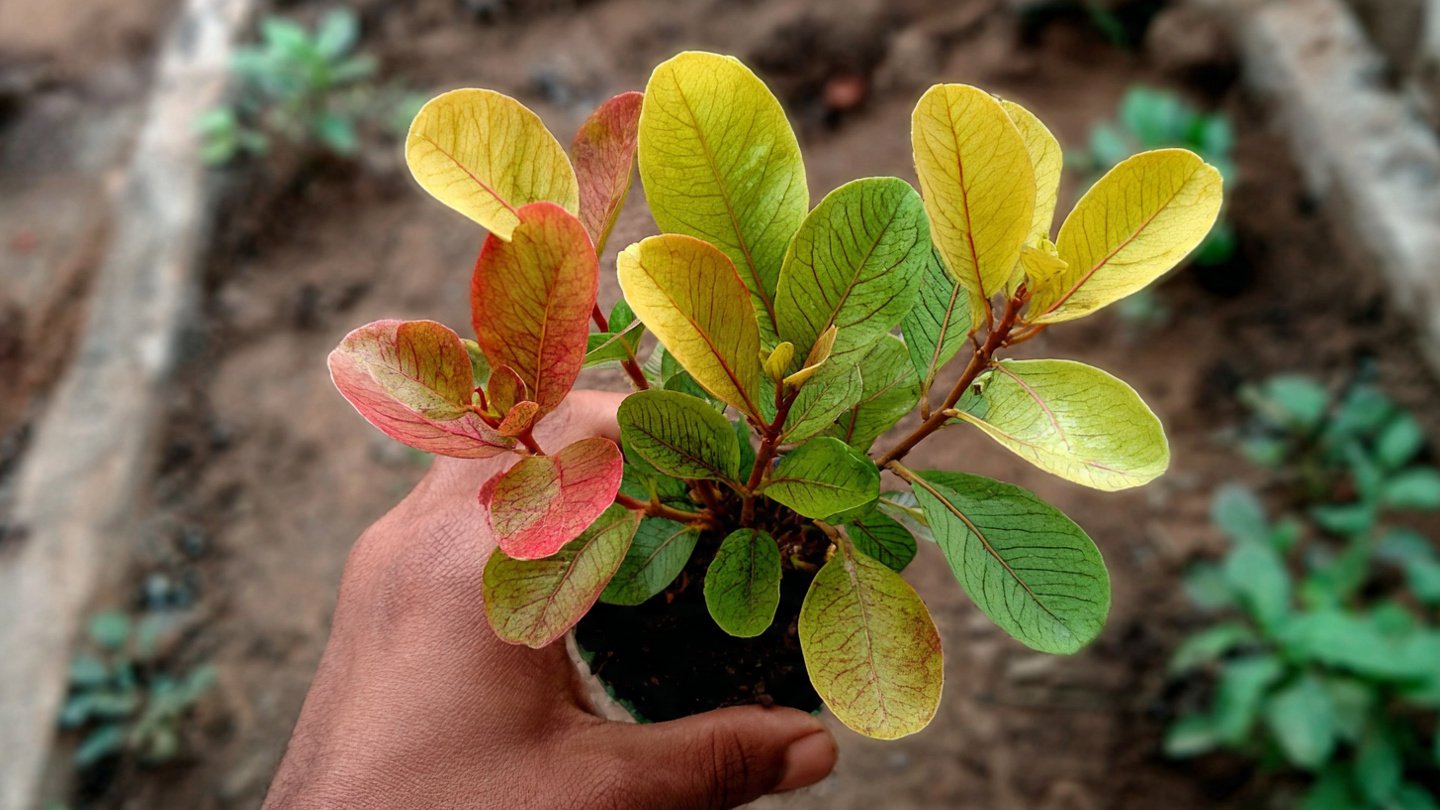
The Sadabahar plant, known scientifically as Catharanthus roseus, is a hardy perennial that thrives in tropical and subtropical regions. Commonly referred to as the Madagascar periwinkle, this plant is admired for its vibrant flowers and medicinal properties. Growing the Sadabahar plant from cuttings is a rewarding and straightforward process. This guide will take you through the steps to successfully propagate the Sadabahar plant, complete with tips, care instructions, and a FAQs section at the end.
Understanding the Sadabahar Plant
Before delving into propagation, let’s take a moment to understand the Sadabahar plant’s characteristics:
Latest Posts
- With Just 1 Bottle of Water How I Was Shocked by What Happened When Growing Vegetables
- Maximize Your Home Garden with the Hanging Pea Sprout Growing Model – Space-Saving, High-Yield, and Easy-to-Manage Vertical Gardening Solution
- Just Water – The Secret to Growing Plump, White Peanut Sprouts Right at Home: A Step-by-Step Guide for Beginners
- Growing Zucchini at Home in a Container: How to Cultivate Large, Long Fruits with a 1-to-72 Day Step-by-Step Diary for Maximum Yield
- Grow Long Beans on the Terrace in Used Recycling Baskets: The Ultimate Guide to Easy, Space-Saving, and High-Yield Terrace Gardening
- How to Grow Tons of Long Beans Easily Without a Garden – A Complete Guide to Growing Healthy Yardlong Beans Without Fertilizers or Pesticides
- Easy Long Bean Growing Trick – No Garden, No Fertilizer, No Pesticide
- Grow Bitter Melon in Bottles — Harvest So Big You Can’t Eat It All! The Ultimate Guide to Bottle Gardening for Maximum Yields
- Growing Garlic Made Easy: No Soil, Fast Results – The Ultimate Guide to Growing Fresh Garlic Indoors Without Traditional Soil
- Wall-Mounted Hydroponic Watermelon System: Grow Large, Juicy, and Delicious Watermelons at Home with Minimal Space and Maximum Yield
-
Appearance:
- The Sadabahar plant displays glossy green leaves and produces flowers that can be white, pink, or purple.
- The plant can grow 1 to 2 feet tall and has a bushy appearance.
-
Climate:
- It thrives in warm climates and prefers full sun to partial shade.
-
Medicinal Uses:
- Traditionally, various parts of the plant are used in herbal remedies, primarily due to alkaloids that have anti-cancer properties.
-
Soil Requirements:

- The plant favors well-draining soil, often rich in organic matter.
Why Grow from Cuttings?
Propagation through cuttings is a popular method for several reasons:
- Faster Results: Starting with cuttings can yield quicker results compared to seeds, as there’s no waiting for germination.
- Genetic Consistency: Cuttings produce clones of the parent plant, ensuring the new plants will have the same desirable traits.
- Cost-Effectiveness: Growing from cuttings is often more economical than purchasing new plants.
Steps to Successfully Grow Sadabahar Plant from Cuttings
Step 1: Gather Your Materials
To get started, you’ll need:
- Healthy Parent Plant: Choose a vigorous Sadabahar plant as your source of cuttings.
- Sharp, Clean Pruning Shears: To prevent disease, disinfect your tools before use.
- Potting Soil or Seed Starting Mix: A light, well-draining medium.
- Small Pots or Seedling Trays: For planting the cuttings.
- Clear Plastic Bag or Plastic Dome: For creating a humid environment (optional).
- Water Spray Bottle: To keep cuttings moist.
- Rooting Hormone (optional): To enhance rooting success.
Step 2: Take the Cuttings

-
Select Healthy Stems: Look for non-flowering stems that are firm and green. Avoid any stems that appear yellow or wilted.
-
Cut the Stems:
- Using your clean pruning shears, cut 4 to 6 inches from the tip of the stem just below a node (the raised bumps on the stem where leaves emerge).
-
Remove Lower Leaves: Trim off the leaves from the bottom 2 inches of the cutting, leaving only a few at the top to reduce water loss.
Step 3: Prepare the Cuttings for Planting
-
Optional Rooting Hormone: Dip the cut ends into rooting hormone. This can enhance root development, although Catharanthus roseus is quite adept at rooting naturally.
-
Planting the Cuttings:
- Fill your pots or seedling trays with potting soil or a seed starting mix.
- Make a small hole in the soil with your finger or a pencil and gently place the cutting inside, firming the soil around the base to secure it.
Step 4: Create the Right Environment
-
Water the Cuttings: Moisten the soil thoroughly but avoid waterlogging, which can cause rot.
-
Cover the Cuttings: For better humidity, you can cover the pots with a clear plastic bag or use a plastic dome. Ensure that it doesn’t touch the leaves.
-
Place in Indirect Light: Set the cuttings in a warm location with bright, indirect sunlight. Avoid direct sunlight, which can scorch the cuttings.

Step 5: Care for the Cuttings
-
Monitor Humidity: Check your cuttings regularly to ensure the soil remains moist and the humidity stays high. If the plastic covering gets too humid, remove it for a few hours to allow air circulation.
-
Mist the Cuttings: Use a spray bottle to lightly mist the cuttings to keep the leaves moist while the roots develop.
-
Wait for Roots to Develop: Depending on environmental conditions, roots can take anywhere from 1 to 4 weeks to establish. You can check for roots by gently tugging on the cutting; if you feel resistance, roots are forming.
Step 6: Transplanting the Cuttings
Once your cuttings have developed a healthy root system:
-
Prepare Larger Pots: Choose pots that are 4-6 inches in diameter with good drainage holes.
-
Transplant the Cuttings:
- Gently remove the cuttings from their initial pots, taking care not to damage the roots.
- Place them in the new pots filled with a well-draining potting mix and water them well.

-
Gradually Acclimatize: Allow them to adjust to more direct sunlight gradually over a week or two, increasing their exposure daily.
Step 7: Care for the Established Plants
-
Sunlight: Once established, Sadabahar plants prefer full sun but can tolerate partial shade.
-
Watering: Water the plants when the top inch of soil feels dry. Ensure that water drains well to prevent root rot.
-
Fertilization: During the growing season, apply a balanced, slow-release fertilizer every 4-6 weeks to encourage new growth and flowering.
-
Pruning: Regularly pinch back the tips of the plants to encourage bushier growth and more flowers.
-
Pest and Disease Management: Keep an eye out for pests like aphids and spider mites. Use insecticidal soap if necessary. Good air circulation can help prevent fungal diseases.
Frequently Asked Questions (FAQs)
1. Can I propagate Sadabahar in water instead of soil?
Yes, Sadabahar cuttings can be started in water, but transferring them to soil after roots develop is advisable for the best long-term growth.
2. How often should I water my Sadabahar cuttings?
Water the cuttings when the top inch of the soil feels dry. It’s important to keep the soil moist but not soggy.

3. How long does it take for Sadabahar cuttings to root?
Roots typically develop in 1 to 4 weeks, depending on conditions such as temperature and humidity.
4. What type of soil is best for Sadabahar plants?
Well-draining potting mix enriched with organic matter is ideal for growing Sadabahar plants.
5. Can I grow Sadabahar outdoors?
Yes, Sadabahar plants thrive in outdoor gardens in warm climates but should be protected from frost.
6. Do Sadabahar plants need fertilization?
Yes, feeding them with a balanced fertilizer during the growing season can promote healthy growth and abundant flowering.
7. Are Sadabahar plants toxic to pets?
Yes, all parts of the Sadabahar plant are considered toxic to pets if ingested, so keep them out of reach of animals.
Conclusion
Growing the Sadabahar plant from cuttings is an enjoyable and straightforward process that affords you the opportunity to cultivate this beautiful flowering plant while ensuring consistency and quality in your specimens. With proper care and attention, your propagation efforts will yield lush, vibrant plants that can enhance your garden or serve as prized houseplants. Happy gardening!