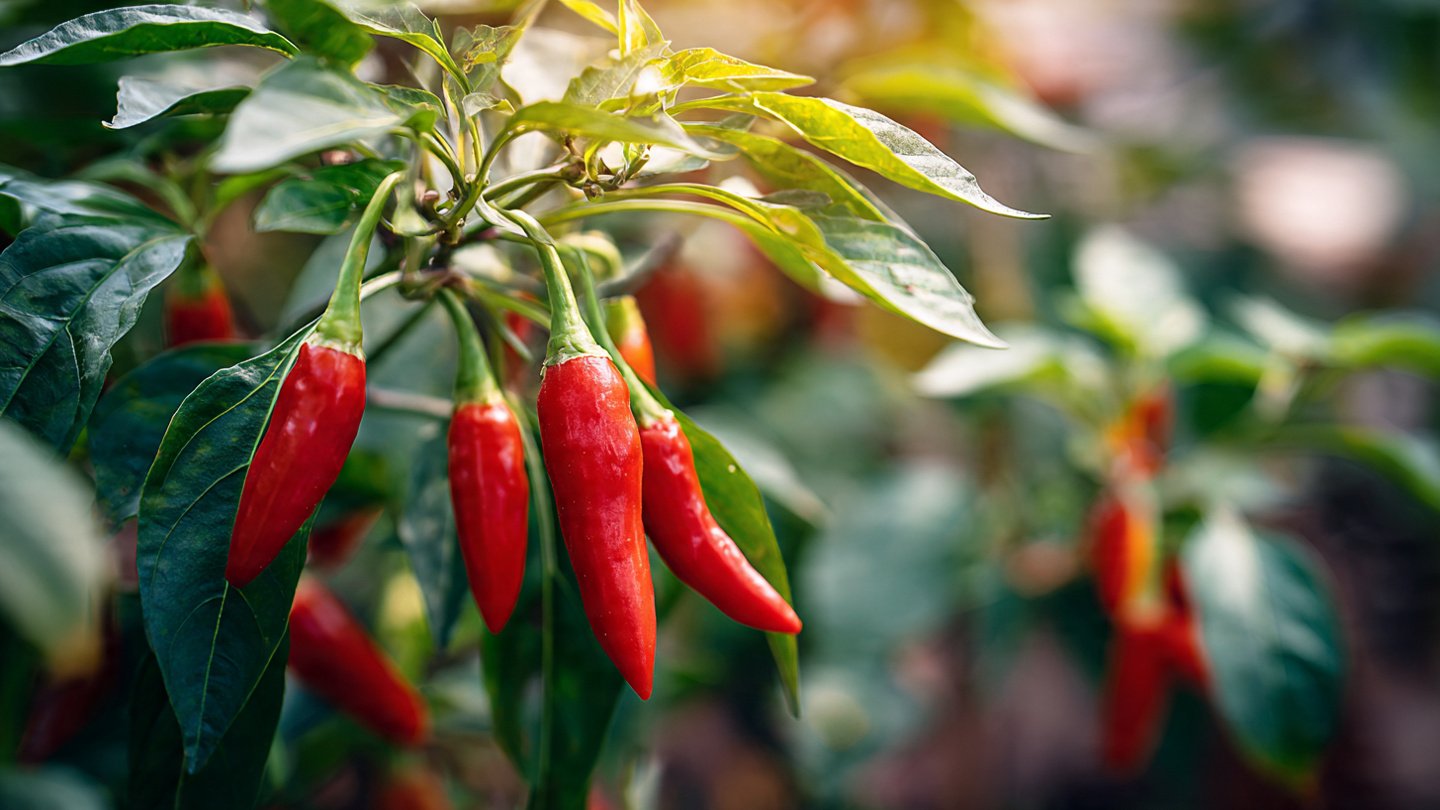
Growing your own red chillies can be a rewarding endeavor, providing fresh produce right at your fingertips. Whether you want them for culinary uses or simply to beautify your garden space, this comprehensive guide will walk you through every step of the process.
Understanding Red Chilli Varieties
Before you start planting, it’s essential to know that many varieties of red chillies exist, ranging from mild to extremely spicy. Some popular types include:
Latest Posts
- With Just 1 Bottle of Water How I Was Shocked by What Happened When Growing Vegetables
- Maximize Your Home Garden with the Hanging Pea Sprout Growing Model – Space-Saving, High-Yield, and Easy-to-Manage Vertical Gardening Solution
- Just Water – The Secret to Growing Plump, White Peanut Sprouts Right at Home: A Step-by-Step Guide for Beginners
- Growing Zucchini at Home in a Container: How to Cultivate Large, Long Fruits with a 1-to-72 Day Step-by-Step Diary for Maximum Yield
- Grow Long Beans on the Terrace in Used Recycling Baskets: The Ultimate Guide to Easy, Space-Saving, and High-Yield Terrace Gardening
- How to Grow Tons of Long Beans Easily Without a Garden – A Complete Guide to Growing Healthy Yardlong Beans Without Fertilizers or Pesticides
- Easy Long Bean Growing Trick – No Garden, No Fertilizer, No Pesticide
- Grow Bitter Melon in Bottles — Harvest So Big You Can’t Eat It All! The Ultimate Guide to Bottle Gardening for Maximum Yields
- Growing Garlic Made Easy: No Soil, Fast Results – The Ultimate Guide to Growing Fresh Garlic Indoors Without Traditional Soil
- Wall-Mounted Hydroponic Watermelon System: Grow Large, Juicy, and Delicious Watermelons at Home with Minimal Space and Maximum Yield
- Serrano Peppers: These are small, slender, and pack a moderate heat.
- Cayenne Peppers: Known for their long, skinny shape and fiery heat.
- Thai Peppers: These tiny peppers deliver a fierce kick.
- Jalapeños: While typically green, they ripen to a lovely red and are great for various dishes.
Choosing the right variety depends on your culinary preferences and intended use.
Requirements for Growing Red Chilli
1. Soil
Red chillies thrive in well-drained, loamy soil rich in organic matter. A pH level between 6.0 and 6.8 is ideal. You can enhance your soil by adding compost or well-rotted manure. A soil test kit can help you ascertain pH levels.

2. Sunlight
Chilies require a lot of sunlight; at least 6-8 hours of direct sunlight daily is necessary for healthy growth. Choose a location with full sun exposure when planning your garden.
3. Temperature
Red chillies love warmth. Ideal temperatures for growing chillies range from 70°F to 85°F (21°C to 29°C). Protect them from frost, as chillies are sensitive to cold. Indoor growing can extend the growing season in cooler climates.
4. Watering
Consistent moisture is key, but avoid overwatering, which can lead to root rot. Water your plants deeply about twice a week, allowing the topsoil to dry out between waterings.
5. Fertilization
A balanced fertilizer (like a 10-10-10 NPK) will support your chilli plants during their growing phase. Once the plants start fruiting, switching to a fertilizer higher in phosphorus can help boost flower and fruit production.
Steps to Grow Red Chilli
Step 1: Choosing Seeds
Select high-quality seeds from a reputable supplier. Consider purchasing seeds specifically for your local climate zone or from a region that shares similar growing conditions.
Step 2: Starting Seeds Indoors

If you live in a cooler region, start seeds indoors 6-8 weeks before the last expected frost. Fill seed trays with seed-starting mix, plant seeds about ¼ inch deep, and water lightly. Maintaining a temperature of 70°F to 80°F (21°C to 27°C) will help germination, which typically takes 2-3 weeks.
Step 3: Transplanting Seedlings
Once the seedlings develop at least two sets of true leaves and outdoor conditions are favorable (post-frost), you can transplant them outside. Harden off the plants by gradually introducing them to outdoor conditions over a week.
Step 4: Planting Outdoors
Space the plants 18-24 inches apart in rows, with sufficiently rich soil. Dig holes at the correct depth to ensure the seedlings are at the same level as they were in the trays.
Step 5: Watering and Caring for Your Plants
As your plants grow, monitor for moisture needs. Mulching around the base can help retain soil moisture and suppress weeds. Regular weeding and monitoring for pests (like aphids) will also promote healthy growth.
Step 6: Harvesting
Red chillies are typically ready to harvest when they turn a vibrant red color. Pick them by gently twisting or cutting them off to avoid damaging the plant. Regular harvesting can encourage the plant to produce more fruits.
Step 7: Post-Harvest Care
After harvesting, you can store chillies for a couple of weeks in the refrigerator or dehydrate them for long-term storage. Freezing is another option that preserves their flavor.

Companion Planting
Companion planting can protect your red chillies from pests and diseases while promoting healthy growth. Good companions include:
- Basil: Repels pests and enhances flavor.
- Marigolds: Deter nematodes and other harmful insects.
- Onions: Their strong scent can keep pests at bay.
Potential Pests and Diseases
Chillies can fall victim to several pests and diseases:
- Aphids: Small, sap-sucking insects that can weaken plants.
- Spider Mites: Tiny pests that cause leaf discoloration.
- Powdery Mildew: A fungal disease characterized by white powdery spots.
Regular inspection, proper spacing for air circulation, and natural pesticides like neem oil can combat these issues effectively.
Tips for Success

- Rotate your chilli crops yearly to prevent soil nutrient depletion.
- Keep records of your chili growth to identify what works best for your conditions.
- Use heat mats for better germination rates if starting seeds indoors.
FAQs
1. How long does it take for red chillies to grow?
From planting to harvest, it typically takes about 70-90 days, depending on the variety and growing conditions.
2. Can red chillies be grown indoors?
Yes, red chillies can thrive indoors. Ensure they receive ample sunlight or use grow lights to support their growth.
3. How often should I water my chilli plants?
Water the plants deeply about twice a week, allowing the top inch of soil to dry out between waterings to prevent root rot.
4. What should I do if my plants are not producing fruit?
Ensure they are getting enough sunlight (6-8 hours daily), proper watering, and nutrients. Also, check for pests or diseases.

5. Can I propagate chilli plants from cuttings?
Yes, you can propagate from cuttings. Take a cutting with several leaves and place it in water until roots develop before planting it back into soil.
6. How do I know when chillies are ready to harvest?
Chillies are ready to harvest when they turn a vibrant red color and feel firm to the touch. Harvesting at this stage maximizes flavor.
7. What is the best way to store my harvested chillies?
Store them in the refrigerator for a few weeks, or dehydrate or freeze them for long-term preservation.
Conclusion
With the right knowledge and care, growing red chillies at home can be a simple, enjoyable experience. Whether you’re garnishing your meals or enjoying the beauty of the plants, nothing beats having fresh ingredients ready for your culinary adventures. Happy gardening!