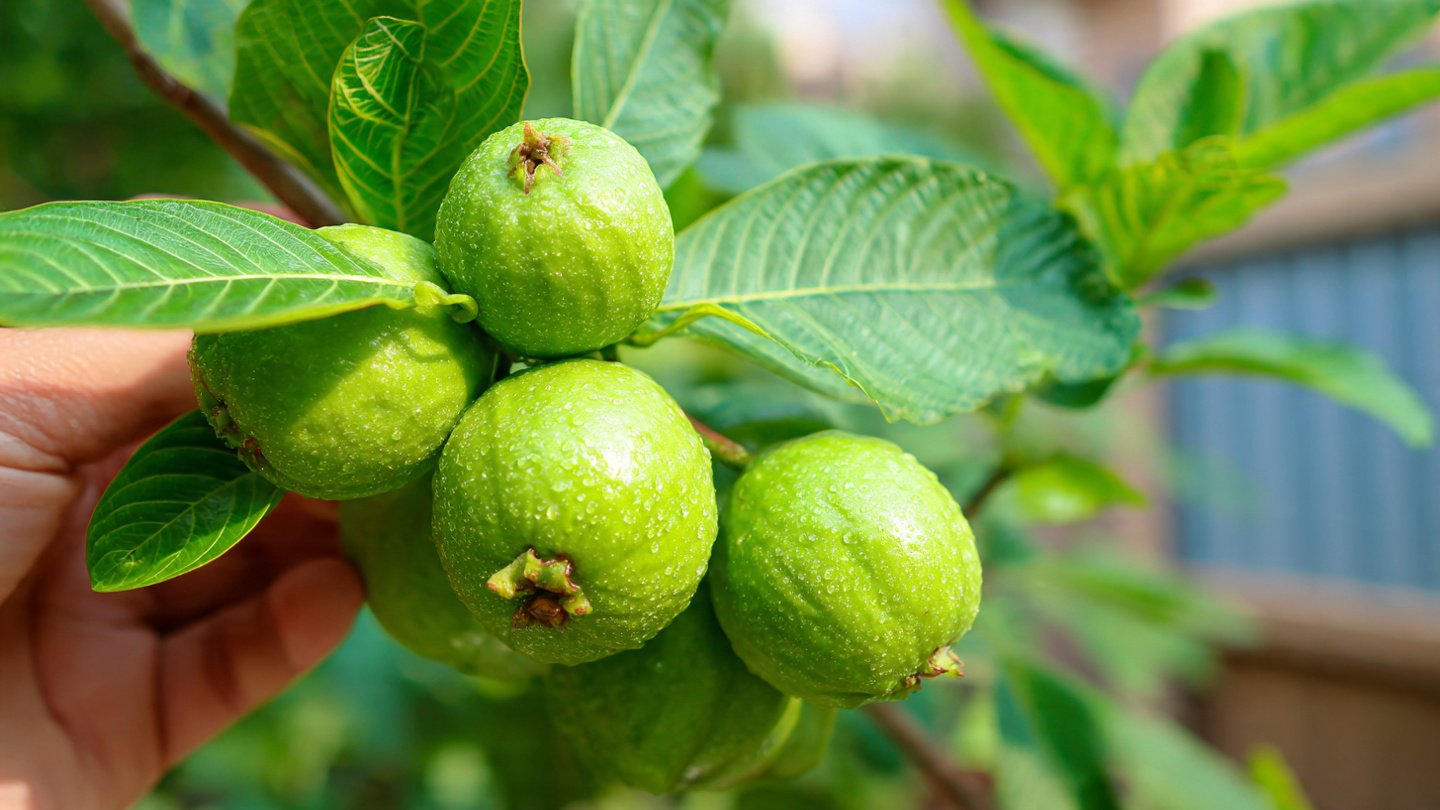
Guava (Psidium guajava) is a tropical fruit that’s not only delicious but also packed with nutrients. Growing guava from cuttings is an easy and rewarding way to propagate your own plants for home gardens. For beginners, this method offers a simple pathway to cultivations, as it requires less effort than starting from seeds. In this article, we will guide you through easy steps to grow guava from cuttings, along with explanations and tips to optimize your success rate.
Understanding Guava
Types of Guava
Latest Posts
- With Just 1 Bottle of Water How I Was Shocked by What Happened When Growing Vegetables
- Maximize Your Home Garden with the Hanging Pea Sprout Growing Model – Space-Saving, High-Yield, and Easy-to-Manage Vertical Gardening Solution
- Just Water – The Secret to Growing Plump, White Peanut Sprouts Right at Home: A Step-by-Step Guide for Beginners
- Growing Zucchini at Home in a Container: How to Cultivate Large, Long Fruits with a 1-to-72 Day Step-by-Step Diary for Maximum Yield
- Grow Long Beans on the Terrace in Used Recycling Baskets: The Ultimate Guide to Easy, Space-Saving, and High-Yield Terrace Gardening
- How to Grow Tons of Long Beans Easily Without a Garden – A Complete Guide to Growing Healthy Yardlong Beans Without Fertilizers or Pesticides
- Easy Long Bean Growing Trick – No Garden, No Fertilizer, No Pesticide
- Grow Bitter Melon in Bottles — Harvest So Big You Can’t Eat It All! The Ultimate Guide to Bottle Gardening for Maximum Yields
- Growing Garlic Made Easy: No Soil, Fast Results – The Ultimate Guide to Growing Fresh Garlic Indoors Without Traditional Soil
- Wall-Mounted Hydroponic Watermelon System: Grow Large, Juicy, and Delicious Watermelons at Home with Minimal Space and Maximum Yield
Guava comes in various types, including:
- Common Guava: Yellow or green skin with sweet, aromatic flesh.
- Strawberry Guava: Smaller with a red hue, featuring a sweeter and slightly tangy flavor.
- Pineapple Guava: Also known as feijoa, it has a unique flavor reminiscent of pineapple.
Benefits of Growing Guava
- Nutritional Value: Rich in Vitamin C, fiber, and antioxidants, guavas are excellent for health.
- Low Maintenance: Guava trees are hardy and require minimal care once established.
- Versatile Uses: Guavas can be eaten fresh, juiced, used in desserts, or made into jams.

Preparing for Propagation
Selecting Cutting Material
Choose healthy, disease-free plants as your source for cuttings. Ideal guava cuttings should meet the following criteria:
- Stem Type: Use semi-hardwood cuttings taken from mature stems, ideally 6-8 inches in length.
- Time of Year: Early spring or late summer is the best time to take cuttings, as plants are most active during these seasons.
Tools You’ll Need
Before you begin, gather the following tools:
- Sharp, sterilized pruning shears or scissors
- Potting soil (well-draining mix)
- Small pots or containers
- Rooting hormone (optional)
- Plastic bag or humidity dome

Step-by-Step Guide to Growing Guava from Cuttings
Step 1: Take Cuttings
- Select the Right Branch: Look for a branch that is healthy and free from diseases.
- Make a Clean Cut: Using your clean shears, cut the branch just below a node (where leaves are attached). Aim for a 45-degree angle for increased surface area.
- Remove Lower Leaves: Strip the leaves from the lower half of the cutting, leaving a couple of leaves at the top to aid in photosynthesis.
Step 2: Prepare the Cuttings
- Apply Rooting Hormone (optional): Dip the cut end of the cutting in rooting hormone. This step can boost your chances of root development but is not strictly necessary.
- Insert into Potting Soil: Fill your small pot with a well-draining potting mix. Make a small hole in the center and insert your cutting, ensuring that at least one node is buried.
- Firm the Soil: Gently press the soil around the cutting to eliminate air pockets.
Step 3: Create a Humid Environment
- Cover the Pot: Place a plastic bag over the pot or use a humidity dome. This helps maintain humidity levels, which is crucial for root development.
- Provide Indirect Light: Place the pot in a location with bright, indirect sunlight. Avoid direct sunlight, as it can scorch the cutting.
Step 4: Water the Cuttings

- Check Moisture Levels: Keep the soil moist but not soggy. Water lightly whenever the top inch of the soil feels dry.
- Be Patient: It may take several weeks (typically 4-8 weeks) for roots to develop. Check periodically by gently tugging on the cutting; resistance indicates root growth.
Step 5: Transplanting
- Check for Roots: Once roots are well-established, carefully remove the cutting from the pot to confirm root growth.
- Select a Suitable Location: Choose a sunny spot in your garden or a larger pot if you’re keeping the plant indoors.
- Transplant Carefully: Fill the new planting hole with soil, nestle the rooted cutting in, and water thoroughly after planting.
Step 6: Caring for Your Guava Plant
- Watering: Maintain consistent soil moisture, particularly during dry periods.
- Fertilizing: Use a balanced fertilizer every couple of months during the growing season to promote healthy growth.
- Pruning: As the plant grows, consider pruning to keep its shape and encourage bushier growth.
Troubleshooting Common Issues
1. Cutting Fails to Root
- Possible Reasons: The cutting may have been too young or too old, or environmental conditions were not optimal (lack of humidity, inadequate light).
- Solution: Ensure you select the right cutting material and adjust care techniques like humidity and light exposure.

2. Leaves Wilting or Yellowing
- Possible Reasons: This could signal root rot (overwatering) or insufficient nutrients.
- Solution: Check soil moisture levels and adjust watering habits. Applying a diluted fertilizer can also help revive the plant.
3. Pests
- Common Pests: Aphids and spider mites can affect young guava plants.
- Solution: Inspect your plants regularly and use insecticidal soap or neem oil to treat infestations.
FAQs
Q1: How long does it take for guava cuttings to grow roots?
A1: Rooting can take between 4 to 8 weeks, depending on the environmental conditions and the health of the cutting.
Q2: Can I grow guava indoors?
A2: Yes! Guava can thrive indoors with sufficient light (consider using grow lights if natural light is limited).

Q3: Do I need to use rooting hormone for guava cuttings?
A3: While rooting hormone can enhance success rates, it is not strictly necessary, especially for beginners.
Q4: What is the best time of year to take guava cuttings?
A4: Early spring or late summer is ideal, as the plant is actively growing during these times.
Q5: How often should I water my guava cutting?
A5: Water when the top inch of soil feels dry. Ensure the pot has good drainage to prevent waterlogging.
Q6: When can I expect my guava plant to bear fruit?
A6: Guava trees typically start bearing fruit 2-4 years after planting, depending on growing conditions and care.
Conclusion
Growing guava from cuttings is not just simple but also an enjoyable project that can yield delicious results. With these easy steps and some patience, beginners can cultivate their own guava trees at home, eventually enjoying the sweet rewards of their labor. Remember to keep an eye on your young plants, adjust their care as needed, and soon you’ll have a thriving guava plant in your garden!