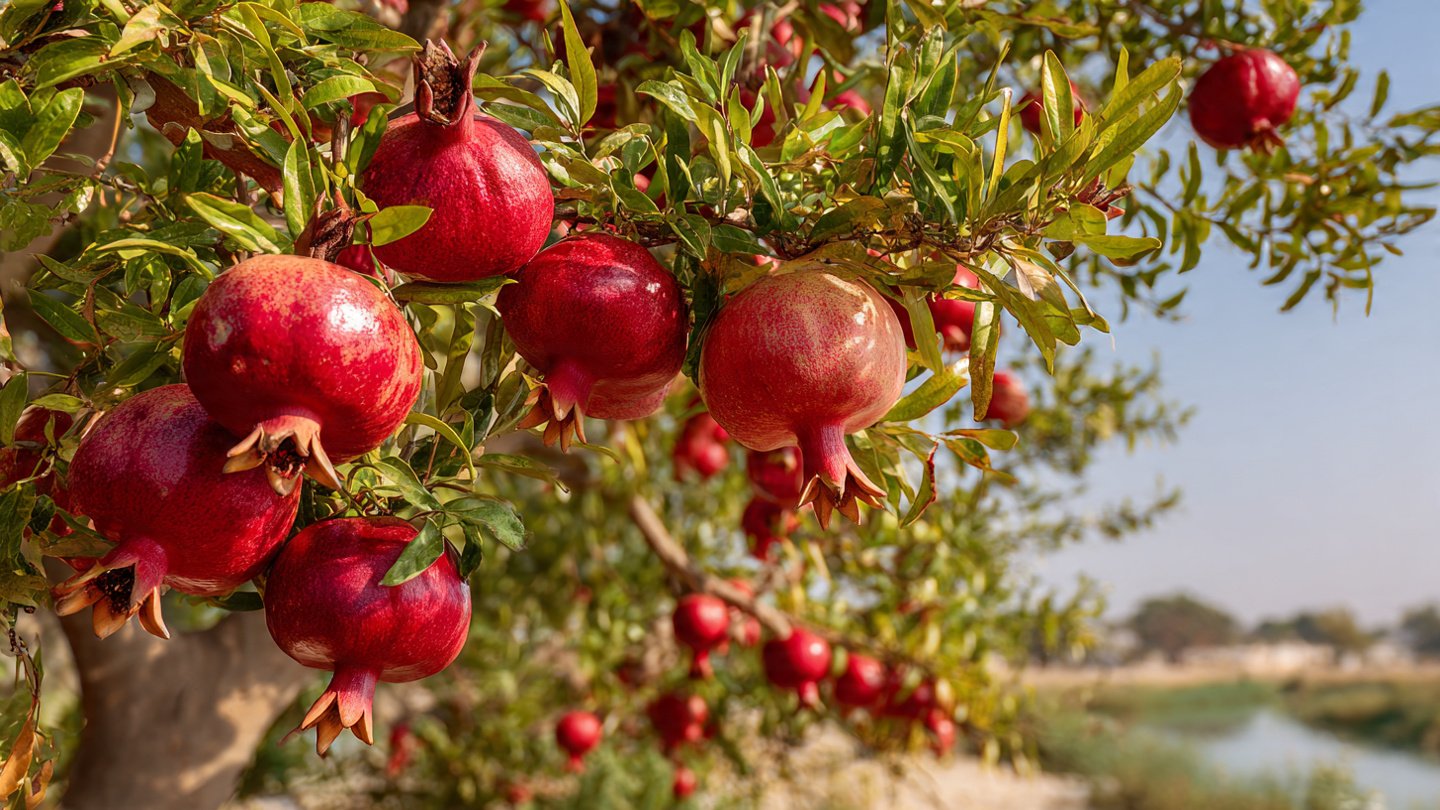
The pomegranate tree, known scientifically as Punica granatum, has captivated humanity for thousands of years with its striking fruits and rich symbolism. Its journey from ancient cultivation to modern gardening practices reflects not just the evolution of horticulture but also the cultural significance of this remarkable plant. This article explores the history, symbolism, growing techniques, and contemporary relevance of the pomegranate tree.
Historical Background
Ancient Origins
Latest Posts
- With Just 1 Bottle of Water How I Was Shocked by What Happened When Growing Vegetables
- Maximize Your Home Garden with the Hanging Pea Sprout Growing Model – Space-Saving, High-Yield, and Easy-to-Manage Vertical Gardening Solution
- Just Water – The Secret to Growing Plump, White Peanut Sprouts Right at Home: A Step-by-Step Guide for Beginners
- Growing Zucchini at Home in a Container: How to Cultivate Large, Long Fruits with a 1-to-72 Day Step-by-Step Diary for Maximum Yield
- Grow Long Beans on the Terrace in Used Recycling Baskets: The Ultimate Guide to Easy, Space-Saving, and High-Yield Terrace Gardening
- How to Grow Tons of Long Beans Easily Without a Garden – A Complete Guide to Growing Healthy Yardlong Beans Without Fertilizers or Pesticides
- Easy Long Bean Growing Trick – No Garden, No Fertilizer, No Pesticide
- Grow Bitter Melon in Bottles — Harvest So Big You Can’t Eat It All! The Ultimate Guide to Bottle Gardening for Maximum Yields
- Growing Garlic Made Easy: No Soil, Fast Results – The Ultimate Guide to Growing Fresh Garlic Indoors Without Traditional Soil
- Wall-Mounted Hydroponic Watermelon System: Grow Large, Juicy, and Delicious Watermelons at Home with Minimal Space and Maximum Yield
The pomegranate tree is believed to have originated in the region extending from modern-day Iran to Northern India. Archaeological evidence suggests that it was cultivated since about 3000 B.C.E., making it one of the oldest known fruits in human history. Ancient texts, such as the Bible and writings from Homer, reference pomegranates, signifying their importance in various cultures.
In ancient Egypt, the pomegranate was associated with life after death, commonly included in tombs as a symbol of resurrection. The fruit was also revered in Persia, where it was considered a sign of fertility and abundance. In the biblical tradition, the fruit was often linked to the Promised Land, symbolizing prosperity and divine favor.
Cultural Significance
Throughout history, the pomegranate has symbolized a multitude of concepts across different cultures. In Christianity, it signifies resurrection and eternal life; in Judaism, it is a symbol of righteousness, with the seeds representing the 613 commandments. In Hinduism, the pomegranate appears in various religious texts and rituals, symbolizing fertility and prosperity.
The fruit’s rich red color makes it not only visually stunning but also indicative of health and vitality, making it a popular subject in art and literature.
Botanical Characteristics
Morphology

The pomegranate tree is a deciduous shrub that can grow between 5 to 10 meters in height. Its leaves are small, glossy, and dark green, contributing to its aesthetic appeal. The flowers, typically bright red or orange, bloom in late spring, followed by the formation of the fruit.
The pomegranate fruit itself is a round berry filled with seeds, each surrounded by juicy red arils. A typical fruit can contain anywhere from 200 to 1,400 seeds, making it a symbol of abundance.
Growing Conditions
The pomegranate tree thrives in USDA Hardiness Zones 7-10, preferring a warm, temperate climate. It requires well-drained soil, plenty of sunlight, and moderate water to flourish. The tree is remarkably drought-tolerant, making it suitable for arid regions where water conservation is crucial.
From Ancient Cultivation to Modern Gardening
Traditional Cultivation Techniques
In ancient agricultural practices, the pomegranate was typically grown in orchards. Farmers would use simple techniques to sow seeds directly into the ground or transplant seedlings during the early spring. These traditional farmers relied on organic methods, utilizing compost and natural pest deterrents.
Evolution of Cultivation
As civilizations advanced, so did farming techniques. The Romans, for example, developed methods for grafting and selective breeding to produce sweeter and larger fruits. The Silk Road facilitated the spread of pomegranates to various regions, including the Mediterranean, where they became integral to local diets and cultures.
Industrialization and Modern Horticulture
With the advent of the Industrial Revolution, the pomegranate underwent further transformation. Modern horticulture practices introduced the use of fertilizers, pesticides, and advanced irrigation methods, significantly increasing yield. In the 20th century, commercial pomegranate farming began to flourish in regions like California and Spain, with new varieties being developed for taste and resilience.

Environmental Sustainability
In recent years, the focus has shifted once again toward sustainable farming practices. Organic pomegranate farming has gained traction, prioritizing environmental health and reducing chemical use. Community-supported agriculture (CSA) initiatives and urban gardening projects have also emerged, bringing the pomegranate tree back into home gardens and local communities.
Modern Gardening Practices
Planting and Care
For those interested in growing pomegranate trees in their own gardens, the following steps can help ensure success:
-
Choosing the Right Variety: Select a suitable cultivar based on climate. Common varieties include ‘Wonderful’ for sweet fruit and ‘Angel Red’ for drought resistance.
-
Site Selection: Choose a location with full sun (at least 6 hours a day), as this will encourage optimal fruit production.
-
Soil Preparation: Ensure well-drained soil, as pomegranate trees dislike sitting in water. Adding organic matter like compost can improve soil quality.
-
Planting: Ideally, plant pomegranate trees in spring or fall. Dig a hole twice the size of the root ball, place the tree, and backfill with soil.

-
Watering: Water the tree deeply during dry spells, particularly in the initial stages. Once established, pomegranates can tolerate drought.
-
Fertilization: Use a balanced fertilizer in early spring, but avoid over-fertilizing, as this can lead to excessive foliage and reduced fruit.
-
Pruning: Prune in late winter to remove dead or crossing branches, encouraging better air circulation and light penetration.
Pest and Disease Management
Pomegranate trees are generally resilient, but they can be susceptible to certain pests and diseases. Common pests include aphids, red spider mites, and pomegranate flowers’ webworm. Applying organic insecticides or introducing beneficial insects, like ladybugs, can help control these pests.
Fungal diseases, such as leaf spot and wilt, can occur, particularly in overly damp conditions. Good air circulation and avoiding overhead watering can mitigate these issues.
Harvesting
Pomegranate fruits typically ripen in late summer to early fall, depending on the variety and climate. Signs of ripeness include the fruit changing color to a deep red and producing a metallic sound when tapped. Harvest carefully to avoid damaging the tree and encourage future growth.
Culinary and Nutritional Importance

The pomegranate is not only a beautiful addition to gardens but also a nutritional powerhouse. It is rich in vitamin C, potassium, and antioxidants, known for their anti-inflammatory properties. The seeds can be eaten raw or juiced, and the fruit is often used in salads, sauces, and desserts.
Pomegranate juice has gained popularity for its health benefits, including heart health and anti-cancer properties. In culinary traditions worldwide, pomegranates add a burst of flavor and texture to a variety of dishes.
The Future of Pomegranate Cultivation
With growing interest in superfoods and organic gardening, the pomegranate is poised to maintain its relevance in modern diets. Challenges, such as climate change, may necessitate further research into more resilient cultivars. Ongoing advancements in genetic engineering and sustainable agriculture practices hold promise for enhancing both yields and disease resistance.
Conclusion
From ancient cultivation to contemporary gardening practices, the pomegranate tree has traversed a remarkable journey through time, culture, and ecological awareness. Its rich history, combined with modern agricultural advancements and sustainable practices, depicts a fascinating intersection of past and present. As gardeners and consumers alike continue to recognize the pomegranate’s diverse benefits, the future of this iconic tree remains bright.
FAQs
1. What is the best climate for growing pomegranate trees?
Pomegranate trees thrive in USDA Hardiness Zones 7-10. They prefer warm, temperate climates and well-drained soil.
2. How often should I water my pomegranate tree?
Water deeply during dry spells, especially when the tree is first establishing. Once mature, pomegranates are drought-tolerant but appreciate occasional deep watering.
3. When is the best time to harvest pomegranates?
Pomegranates are typically ready for harvest in late summer to early fall when they develop a deep red color and produce a metallic sound when tapped.
4. Are pomegranate trees susceptible to pests?
Yes, common pests include aphids and red spider mites. Organic methods, such as introducing beneficial insects, can help control these pests.
5. Can I grow a pomegranate tree in a pot?
Yes, pomegranate trees can be grown in pots. Ensure the pot has good drainage and choose a suitable variety for container growth.
6. What are some uses for pomegranates in cooking?
Pomegranates can be used in salads, sauces, desserts, or as juice. The arils are also a popular garnish for various dishes.
7. Are pomegranates beneficial for health?
Yes, pomegranates are rich in vitamins, potassium, and antioxidants, known for their anti-inflammatory and heart-healthy properties.