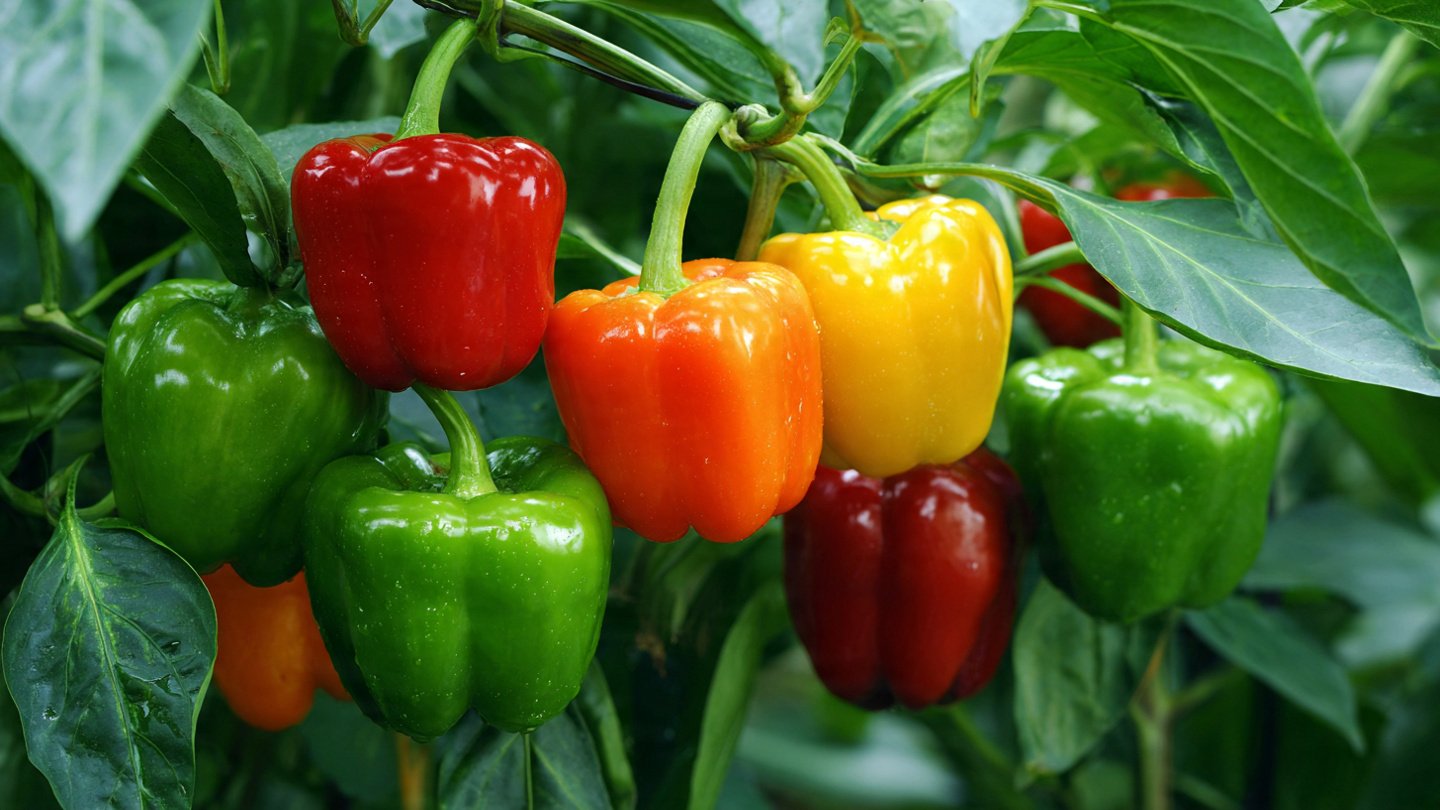
Growing your own vegetables can be both rewarding and practical, especially if you’re limited by space. Bell peppers, known for their vibrant colors and sweet flavors, are an excellent choice for container gardening. This comprehensive guide will help you successfully grow bell peppers in containers, providing tips from choosing the right variety to aftercare.
Why Grow Bell Peppers in Containers?
Container gardening offers several advantages:
Latest Posts
- With Just 1 Bottle of Water How I Was Shocked by What Happened When Growing Vegetables
- Maximize Your Home Garden with the Hanging Pea Sprout Growing Model – Space-Saving, High-Yield, and Easy-to-Manage Vertical Gardening Solution
- Just Water – The Secret to Growing Plump, White Peanut Sprouts Right at Home: A Step-by-Step Guide for Beginners
- Growing Zucchini at Home in a Container: How to Cultivate Large, Long Fruits with a 1-to-72 Day Step-by-Step Diary for Maximum Yield
- Grow Long Beans on the Terrace in Used Recycling Baskets: The Ultimate Guide to Easy, Space-Saving, and High-Yield Terrace Gardening
- How to Grow Tons of Long Beans Easily Without a Garden – A Complete Guide to Growing Healthy Yardlong Beans Without Fertilizers or Pesticides
- Easy Long Bean Growing Trick – No Garden, No Fertilizer, No Pesticide
- Grow Bitter Melon in Bottles — Harvest So Big You Can’t Eat It All! The Ultimate Guide to Bottle Gardening for Maximum Yields
- Growing Garlic Made Easy: No Soil, Fast Results – The Ultimate Guide to Growing Fresh Garlic Indoors Without Traditional Soil
- Wall-Mounted Hydroponic Watermelon System: Grow Large, Juicy, and Delicious Watermelons at Home with Minimal Space and Maximum Yield
- Space Efficiency: Containers can fit on balconies, patios, or small yards, making it ideal for those living in urban areas or homes without a garden space.
- Mobility: Containers can be moved to maximize sunlight or shelter them from harsh weather conditions.
- Control Over Soil: You can use high-quality potting mix, ensuring good drainage and nutrients tailored for your plants.
- Pest Management: Growing in containers can help keep pests at bay since you can control the environment better than in a traditional garden.
Choosing the Right Bell Pepper Variety
When selecting bell pepper varieties, consider the following:
1. Types of Bell Peppers:
Bell peppers come in various colors (green, red, yellow, orange) and sizes. Some popular varieties suitable for containers include:
- ‘Mini Bell’: These small peppers are perfect for containers and typically grow to 2-3 inches.
- ‘California Wonder’: A classic variety, known for its large, blocky shape.
- ‘Lunchbox’: These are smaller and great for snacking.
2. Seedlings vs. Seeds:
You can start your bell peppers from seeds or buy seedlings. If you live in a short-growing season area, buying seedlings may save time and increase your chances of success.
3. Dwarf Varieties:
Some bell peppers are bred specifically for container growth. Dwarf varieties are usually more compact and require less space.
Selecting the Right Container
The success of your bell pepper plants largely depends on the container you choose. Here’s what to look for:
1. Size:
- Minimum Size: A container should be at least 5 gallons but preferably 10-12 gallons for optimal growth.
- Depth: Bell peppers have deep roots, so a deeper container (12-18 inches) is beneficial.
2. Material:
- Plastic: Lightweight and typically less expensive; however, ensure they have good drainage.
- Clay: Offers excellent drainage and aeration but can dry out quickly.
- Fabric: Smart Pots or similar fabric containers are breathable and promote healthy root growth.
3. Drainage:
Choose containers with drainage holes to prevent root rot. You can also add a layer of rocks at the bottom to improve drainage.
Soil and Fertilizer Requirements
1. Soil Mix:
Using a high-quality potting mix is crucial. Look for a mix that is:
- Well-draining.
- Contains organic matter (like compost) to provide nutrients.
- Lightweight to make container mobility easier.
2. Fertilization:
Bell peppers are heavy feeders and require regular fertilization:
- Use a balanced fertilizer (like a 10-10-10 ratio) every 4-6 weeks.
- A high-quality organic fertilizer is an excellent option for maintaining soil health.
Planting Bell Peppers
1. Timing:
- Indoor Start: If starting from seeds, plant them indoors 8-10 weeks before the last frost.
- Transplanting: Move seedlings outdoors once the danger of frost has passed and daytime temperatures are consistently above 70°F (21°C).
2. Spacing:
If planting multiple peppers, ensure they are spaced 18-24 inches apart to allow for proper air circulation.
3. Planting Technique:
- Fill the container with soil, leaving about an inch from the top.
- Create a hole in the center and gently place the seedling, covering it with soil.
- Water thoroughly to settle the soil around the roots.
Sunlight Requirements
Bell peppers thrive in full sun. Ensure they get at least 6-8 hours of direct sunlight daily. If you are in a very hot climate, provide some afternoon shade to prevent stress on the plants.
Watering Needs
1. Watering Frequency:
Bell peppers prefer consistently moist soil, but overwatering can lead to root rot. Water when the top inch of soil feels dry.
2. Techniques:
- Use a soaker hose to provide even moisture.
- Avoid getting water on the leaves, as this can lead to fungal diseases.
3. Signs of Water Stress:
Watch out for wilting leaves or fruit that may become bitter if the plants experience drought.
Supporting Your Plants
As your bell peppers grow, they may require support to prevent breaking or falling over due to heavy fruits:
- Use stakes or cages to support taller varieties.
- Tie the stems gently with garden twine to ensure they remain upright.
Pest and Disease Management
Bell peppers can be susceptible to various pests:
1. Common Pests:
- Aphids: Small insects that can be managed with insecticidal soap.
- Spider Mites: Can be controlled by increasing humidity around the plants.
- Whiteflies: Use sticky traps to catch them.
2. Diseases:
Watch for signs of fungal diseases, such as leaf spots. Ensure proper airflow and avoid overhead watering to minimize these risks.
Harvesting Bell Peppers
1. Timing:
Bell peppers can be harvested at any stage, but allow them to mature for maximum flavor. Most bell peppers will turn from green to red (or other colors) as they ripen.
2. Signs of Ripeness:
The skin should be firm and glossy, and the color should be vibrant.
3. Harvesting Technique:
Use garden shears to cut the fruit off the plant without damaging the stems.
Aftercare and Maintenance
Post-harvest care is vital to maintain plant health for future yields:
1. Pruning:
Remove any dead or yellowing leaves to promote airflow and prevent disease.
2. Soil Maintenance:
Add compost or organic matter to maintain soil quality over the growing season.
3. End of Season Care:
If frost threatens, be prepared to cover your plants or bring containers indoors.
FAQs
1. Can I grow bell peppers indoors?
Yes, bell peppers can be grown indoors provided they get enough light (consider using grow lights) and the right conditions.
2. How often should I water my bell peppers?
Water when the top inch of soil is dry. In hotter weather, you may need to water more frequently, while cooler temperatures may reduce your water needs.
3. Why are my bell peppers turning yellow?
Yellowing leaves can be a sign of nutrient deficiency, or they may be getting too much water. Check your watering routine and consider using a fertilizer.
4. Can I grow bell peppers without fertilizer?
While it’s possible, bell peppers thrive with fertilization. Organic compost can provide some nutrients, but for best results, use a balanced fertilizer.
5. How long does it take for bell peppers to grow?
From planting to harvest, bell peppers generally take 70-90 days, depending on the variety and growing conditions.
6. What is the best temperature for bell peppers?
Bell peppers prefer daytime temperatures between 70°F and 85°F (21°C to 29°C) and nighttime temperatures above 60°F (16°C).
7. Why are my bell peppers not producing fruit?
This could be due to insufficient pollination, too-high temperatures, insufficient water, or nutrient issues. Ensuring adequate airflow and hand-pollinating can help.
By following these guidelines, anyone can grow healthy bell peppers in containers, even in the smallest spaces. With a little patience and care, you’ll be rewarded with flavorful, home-grown peppers to enjoy in countless dishes!