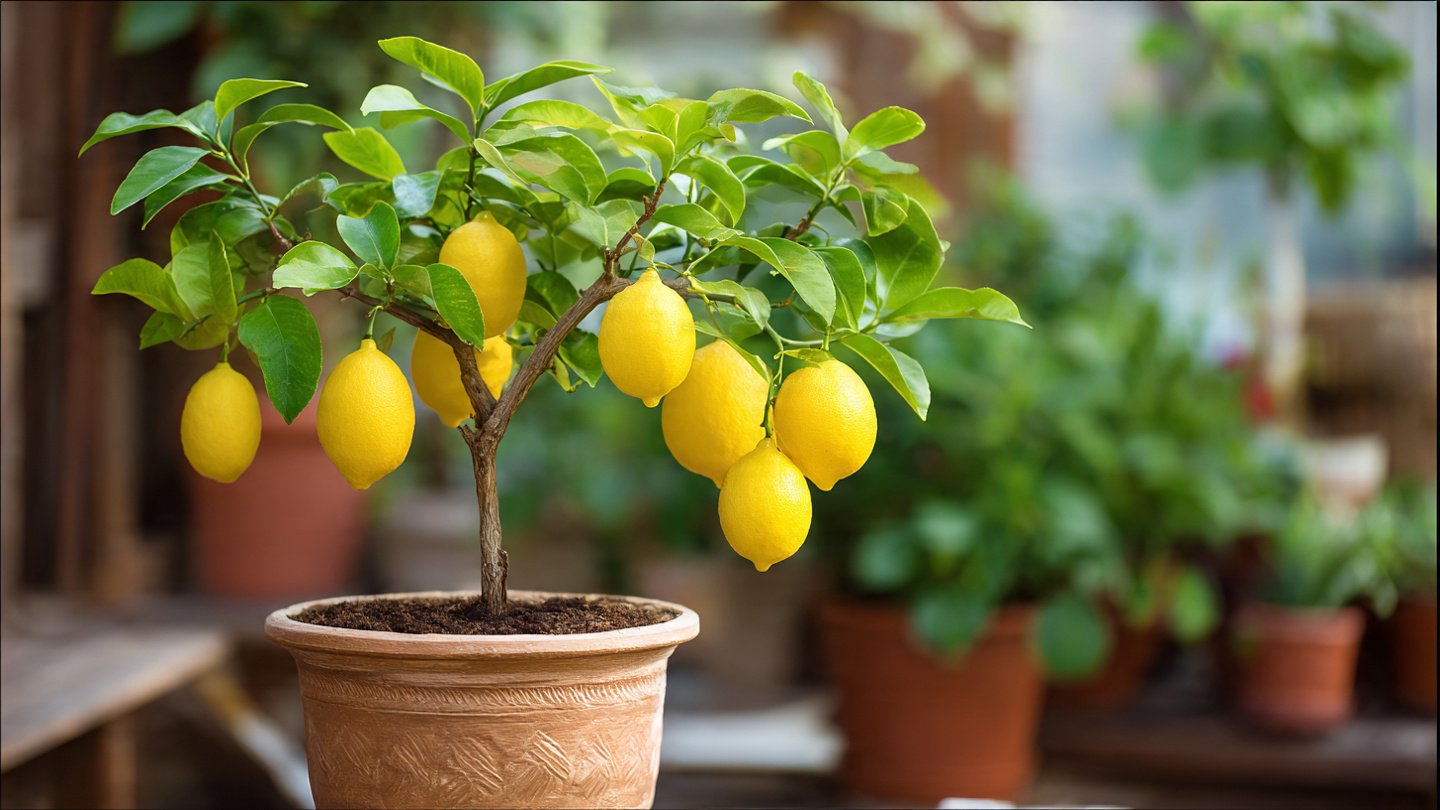
Lemon trees are a beloved addition to any home garden, offering not only delicious fruit but also an invigorating aroma and beautiful foliage. For those without a spacious yard, growing a lemon tree in a container is an excellent alternative. Container gardening allows you to enjoy a productive lemon tree even in limited space, such as a balcony, patio, or small yard. This comprehensive guide will walk you through the essential steps needed for successfully growing a lemon tree in a container, from choosing the right variety to caring for your tree and troubleshooting common issues.
Choosing the Right Lemon Tree Variety
Not all lemon trees are suited for container gardening. Here are some of the best varieties for growing in pots:
Latest Posts
- With Just 1 Bottle of Water How I Was Shocked by What Happened When Growing Vegetables
- Maximize Your Home Garden with the Hanging Pea Sprout Growing Model – Space-Saving, High-Yield, and Easy-to-Manage Vertical Gardening Solution
- Just Water – The Secret to Growing Plump, White Peanut Sprouts Right at Home: A Step-by-Step Guide for Beginners
- Growing Zucchini at Home in a Container: How to Cultivate Large, Long Fruits with a 1-to-72 Day Step-by-Step Diary for Maximum Yield
- Grow Long Beans on the Terrace in Used Recycling Baskets: The Ultimate Guide to Easy, Space-Saving, and High-Yield Terrace Gardening
- How to Grow Tons of Long Beans Easily Without a Garden – A Complete Guide to Growing Healthy Yardlong Beans Without Fertilizers or Pesticides
- Easy Long Bean Growing Trick – No Garden, No Fertilizer, No Pesticide
- Grow Bitter Melon in Bottles — Harvest So Big You Can’t Eat It All! The Ultimate Guide to Bottle Gardening for Maximum Yields
- Growing Garlic Made Easy: No Soil, Fast Results – The Ultimate Guide to Growing Fresh Garlic Indoors Without Traditional Soil
- Wall-Mounted Hydroponic Watermelon System: Grow Large, Juicy, and Delicious Watermelons at Home with Minimal Space and Maximum Yield
-
Improved Meyer Lemon: This hybrid is a cross between a lemon and a mandarin. It’s smaller in size, produces sweet fruit, and is ideal for container gardening.
-
Ponderosa Lemon: Known for its unique, large fruit, the Ponderosa grows well in pots, though it may need more space as it matures.
-
Eureka Lemon: The most common variety, Eureka lemons are known for their juicy and tart flavor. While they can grow larger, they can still thrive in large containers.
-
Lisbon Lemon: Similar to the Eureka variety, Lisbon lemons are vigorous growers and produce large quantities of fruit.
Factors for Choosing a Variety
When selecting a variety, consider:
- Climate: Some varieties can tolerate colder climates, while others prefer warmer conditions.
- Fruit Taste and Size: Consider what flavor and fruit size you prefer for your cooking and baking needs.
- Growth Habit: Shorter varieties are more suitable for confined spaces.
Getting the Right Container
Picking the right container is crucial for your lemon tree’s health. Here are some general guidelines:
Size

-
Minimum Size: Start with a container that is at least 12-14 inches in diameter for young trees. As the tree grows, you may need to transfer it to a larger pot, ideally 20-24 inches in diameter.
-
Depth: Lemon trees require deep roots, so choose containers that are at least 12 inches deep.
Material
-
Material Types: Choose materials like ceramic, plastic, or wood. Teracotta pots are beautiful but can dry out quickly, so they may require more frequent watering.
-
Drainage: Ensure your container has drainage holes to protect roots from sitting in water, which can cause root rot.
Potting Mix for Lemon Trees
Lemon trees require well-draining soil. Consider using a mix specifically designed for citrus plants, or create your own using the following components:
-
Cactus Mix: Provides excellent drainage.
-
Peat Moss: Helps retain moisture without becoming waterlogged.
-
Perlite or Sand: Enhances drainage and aeration.
Recipe for Potting Mix
A good recipe would be:
- 1 part cactus mix
- 1 part peat moss
- 1 part perlite or coarse sand

Planting Your Lemon Tree
Once you have your container and soil ready, follow these steps to plant your lemon tree:
-
Prepare the Container: Place a layer of small stones or broken pottery at the bottom for added drainage.
-
Fill with Soil: Add your potting mix, leaving about an inch of space at the top.
-
Remove the Tree from its Previous Pot: Gently remove the tree, trying not to disturb the root ball too much.
-
Plant: Place the tree in the center of the new container and fill in around it with more soil. Firmly press down to remove air pockets but don’t compact it too tightly.
-
Water Thoroughly: Give your tree a thorough watering until water drains from the bottom.
Caring for Your Container Lemon Tree
Watering
Lemon trees require consistent moisture. Here’s how to do it:
-
Frequency: Water when the top inch of soil feels dry. Container trees generally require more frequent watering than those in the ground.
-
Method: Water deeply, allowing it to drain out the bottom, but don’t allow it to sit in water.
Fertilization

Lemon trees are heavy feeders, especially during the growing season (spring and summer). Use a balanced, slow-release fertilizer formulated for citrus plants.
- Frequency: Fertilize every 4-6 weeks during the growing season. Reduce feeding in the fall and winter.
Sunlight Requirements
Lemon trees require full sunlight, ideally 8-12 hours of direct sunlight per day. If indoors, place your tree by a south-facing window. If outside, consider moving it to ensure it gets enough sun.
Pruning
Regular pruning helps maintain the shape of your container lemon tree. Here’s what to do:
-
Timing: Prune during late winter or early spring before new growth begins.
-
Method: Remove dead or crossing branches, shaping the tree into a more manageable form.
Protecting Your Tree from Pests and Diseases
While lemon trees are generally resilient, they can be susceptible to pests and diseases. Here are some common issues and how to handle them:
Common Pests
-
Aphids: Small, soft-bodied insects that can be removed using a strong spray of water or insecticidal soap.
-
Spider mites: Can cause yellowing leaves. Increase humidity and consider using neem oil for treatment.
-
Mealybugs: These pests look like cotton fluff. Remove them manually or treat with insecticidal soap.

Common Diseases
-
Root Rot: Caused by overwatering. Ensure proper drainage and avoid letting the pot sit in water.
-
Leaf Drop: Can occur from stress, poor watering habits, or nutrient deficiencies. Assess your care routine.
Harvesting Your Lemons
After a year or two, you should start to see little green fruits developing on your lemon tree. Here’s how to determine when it’s time to harvest:
Signs of Ripeness
- The color changes from green to a vibrant yellow.
- The fruit feels slightly soft when gently squeezed.
- Lemons typically take about 6-9 months after flowering to mature.
How to Harvest
- Use garden shears to cut the stems of the lemons, leaving a small part of the stem attached. This helps prolong the fruit’s shelf life.
Troubleshooting Common Problems
-
Leaves Turn Yellow: This can be a sign of overwatering or a nutrient deficiency. Adjust watering habits and consider fertilization.
-
No Fruit Production: This might occur due to insufficient sunlight or poor pollination. Ensure adequate light and consider hand-pollinating flowers with a small paintbrush.
-
Falling Leaves: Can be due to stress (such as a change in temperature) or environmental factors. Try to maintain consistent growing conditions.
FAQs
1. How often should I water my container lemon tree?
Water when the top inch of soil feels dry. Depending on the heat and humidity, this could range from once a week to every few days.
2. Can I keep my lemon tree indoors year-round?
Yes, lemon trees can thrive indoors. Just ensure it receives adequate sunlight and is kept in a warm, humid environment.
3. How long does it take for a lemon tree to produce fruit?
Generally, it takes about 1-3 years for a lemon tree to produce fruit after planting, depending on the variety and care.
4. Can I grow a lemon tree from seed?
Yes, you can grow a lemon tree from seed, but it may take longer to produce fruit and often results in a tree that doesn’t resemble the parent tree.
5. What pests should I watch out for?
Common pests include aphids, spider mites, and mealybugs. Regular inspections will help catch these issues early.
6. Do I need to repot my lemon tree?
Yes, as your lemon tree grows, you may need to repot it into a larger container every couple of years, or when you notice roots coming out of the drainage holes.
7. Can lemon trees survive winter outdoors?
Most lemon trees are not frost-tolerant. In colder climates, it’s advisable to bring your container lemon tree indoors or provide adequate protection during winter.
By following this guide, you can enjoy the delightful experience of tending to a lemon tree in a container while reaping the benefits of fresh lemons right from your home garden. Happy gardening!