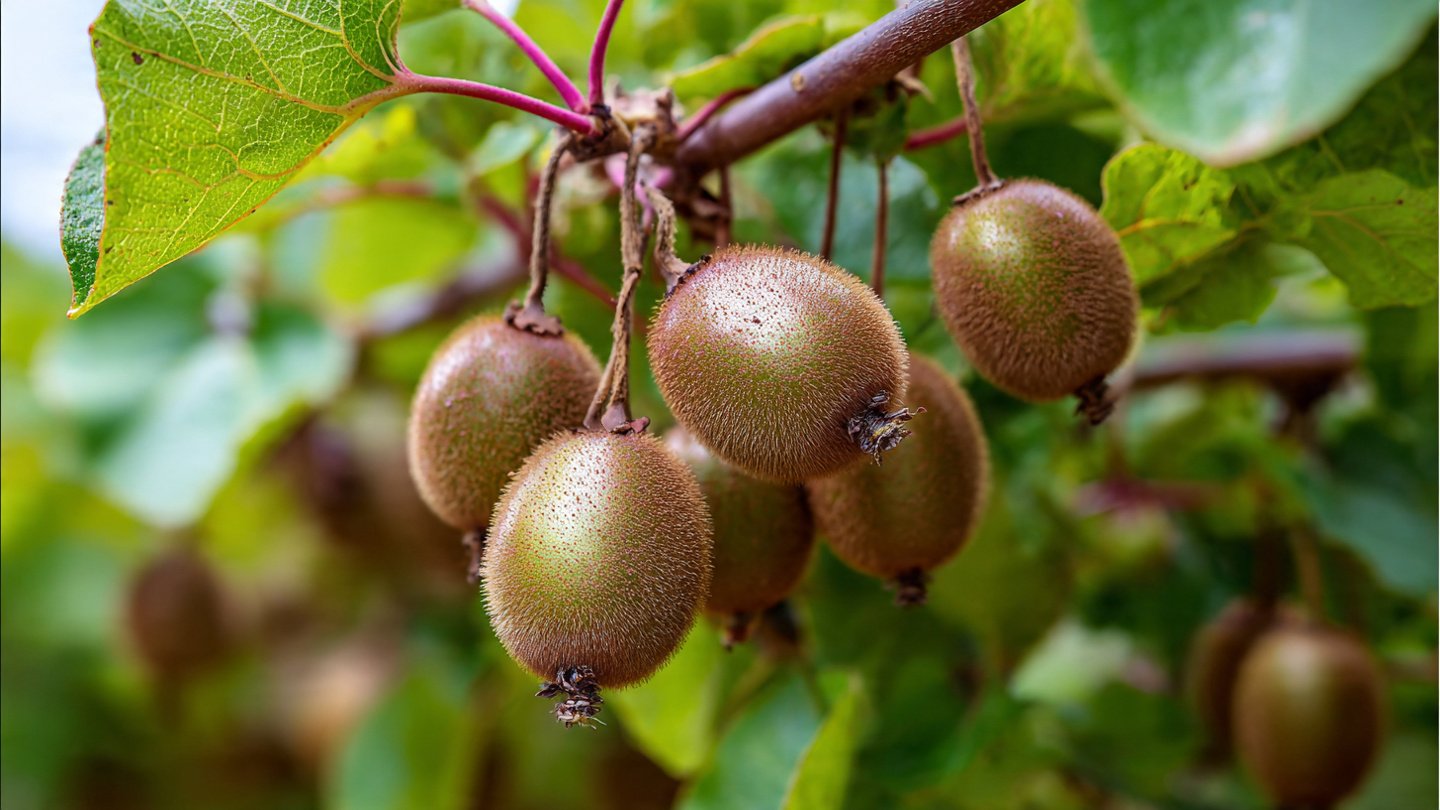
Growing kiwi fruit at home can be a rewarding and delightful experience. Not only is the kiwi an exotic, nutritious fruit, but it also adds a beautiful touch to your garden with its lush vines and vibrant foliage. In this comprehensive guide, we’ll explore the entire process of cultivating kiwi from seeds to harvest, covering everything from selecting seeds and preparing your soil to caring for your plants and finally reaping the rewards of your labor.
Understanding Kiwi Fruit
Types of Kiwi
Latest Posts
- With Just 1 Bottle of Water How I Was Shocked by What Happened When Growing Vegetables
- Maximize Your Home Garden with the Hanging Pea Sprout Growing Model – Space-Saving, High-Yield, and Easy-to-Manage Vertical Gardening Solution
- Just Water – The Secret to Growing Plump, White Peanut Sprouts Right at Home: A Step-by-Step Guide for Beginners
- Growing Zucchini at Home in a Container: How to Cultivate Large, Long Fruits with a 1-to-72 Day Step-by-Step Diary for Maximum Yield
- Grow Long Beans on the Terrace in Used Recycling Baskets: The Ultimate Guide to Easy, Space-Saving, and High-Yield Terrace Gardening
- How to Grow Tons of Long Beans Easily Without a Garden – A Complete Guide to Growing Healthy Yardlong Beans Without Fertilizers or Pesticides
- Easy Long Bean Growing Trick – No Garden, No Fertilizer, No Pesticide
- Grow Bitter Melon in Bottles — Harvest So Big You Can’t Eat It All! The Ultimate Guide to Bottle Gardening for Maximum Yields
- Growing Garlic Made Easy: No Soil, Fast Results – The Ultimate Guide to Growing Fresh Garlic Indoors Without Traditional Soil
- Wall-Mounted Hydroponic Watermelon System: Grow Large, Juicy, and Delicious Watermelons at Home with Minimal Space and Maximum Yield
Before diving into how to grow kiwi, it’s important to know that there are several varieties of kiwi—each with its unique flavor, texture, and growing requirements. Common types include:
- Hardy Kiwi (Actinidia arguta): Also known as Arctic kiwi, these can withstand colder temperatures and produce small, smooth-skinned fruit.
- Common Kiwi (Actinidia deliciosa): The well-known fuzzy fruit with bright green flesh. Requires a warmer climate and is the most commercially popular variety.
- Baby Kiwi (Actinidia kolomikta): These are small, smooth-skinned fruits and are perfect for snacking.
Growing Zones
Kiwi generally prefers subtropical to temperate climates. While common kiwi thrives in USDA zones 8-10, hardy kiwi can grow in zones 3-8. Understanding your growing zone can help you select the right variety for your garden.
Growing Kiwi from Seeds
Step 1: Obtaining Seeds
If you wish to grow kiwi from seeds, you can either purchase seeds from a reputable source or extract them from ripe kiwi fruit. For the latter:
- Cut the kiwi and scoop out the seeds.
- Place the seeds in a bowl of water and let them sit for a few days. This helps to break down the fruit’s pulp.
- Rinse the seeds to remove any remaining pulp and dry them on a paper towel.

Step 2: Pre-Treatment of Seeds
Kiwi seeds require a cold stratification process for successful germination. Here are the steps:
- Moist Paper Towel Method: Place the seeds between two damp paper towels and put them in a sealed plastic bag in the refrigerator for about 4 weeks.
- Soaking Method: Soak the seeds in warm water for 24 hours. This helps soften the seed coat.
Step 3: Sowing Seeds
Once the seeds have undergone pre-treatment:
- Preparation: Fill small pots with a well-draining potting mix. A mix that includes perlite or vermiculite is ideal for drainage.
- Planting: Plant 1-2 seeds per pot, about 1/4 inch deep.
- Watering: Keep the soil consistently moist but not soggy. Water gently until seedlings emerge.
Step 4: Providing Proper Light
Kiwi seeds need warmth to germinate. Place your pots in a warm spot with indirect sunlight or under grow lights. Germination can take anywhere from 2 weeks to a couple of months.

Transplanting Seedlings
Once the seedlings grow to about 4-6 inches tall and develop a few true leaves, usually around 6-8 weeks after germination, they are ready to be transplanted.
Step 5: Preparing for Transplanting
- Choosing the Location: Select a sunny area in your garden and ensure it has well-draining soil. Kiwi prefers slightly acidic to neutral pH.
- Hardening Off: Gradually acclimate the seedlings to outdoor conditions over 7-10 days. Start by placing them outside for a few hours a day, gradually increasing the time.
Step 6: Planting Outdoors
- Spacing: Plant your seedlings about 4-6 feet apart to allow for adequate growth.
- Depth: Dig a hole deep enough for the root system without burying the stem.
- Watering: Water thoroughly after transplanting.
Caring for Your Kiwi Plants
Watering
Kiwi plants require regular watering, especially during their growing season. The soil should be kept consistently moist without being waterlogged. Drip irrigation is an excellent option for managing soil moisture.
Fertilizing
In the spring, apply a balanced organic fertilizer to provide essential nutrients. Repeat the application in mid-summer for healthy growth. A recipe of compost tea can also work wonders for your plants.

Pruning
Regular pruning encourages growth and fruit production. Here’s how to do it:
- Remove dead or weak branches during the dormant season.
- Train the main vine to a trellis or support structure, as kiwi plants are climbers.
Pest and Disease Control
Kiwi plants can be susceptible to pests like aphids and fungal diseases. Regularly inspect your plants for signs of trouble:
- Aphids: Use insecticidal soap or neem oil if you notice infestations.
- Fungal Issues: Ensure proper air circulation and avoid overhead watering to prevent diseases like powdery mildew.
Pollination
Male and Female Flowers
Kiwi plants have both male and female flowers, but they require cross-pollination for fruit development. To produce fruits, plant at least one male plant for every 4-8 female plants. Male flowers are typically less showy but play a crucial role in pollination.
Attracting Pollinators
Encouraging bees and other pollinators is essential. You can plant flowering herbs and flowers nearby to draw them in.

Harvesting Kiwi Fruit
Timing
Kiwi fruits typically mature in late summer to early fall, depending on the variety. Look for fruits that are slightly soft to the touch but not overly mushy.
Harvesting Technique
- Gently twist or cut the kiwi from the vine to avoid damaging the plant.
- Handle the fruits with care to prevent bruising.
Ripening
If you harvest kiwi that is still hard, you can ripen them at room temperature. Once they give slightly to pressure, they’re ready to eat. To speed up the ripening process, place them in a paper bag with an apple or banana.
FAQs
Q1: How long does it take to grow kiwi from seeds?
A: Growing kiwi from seeds can take 3-5 years before the plants begin to produce fruit.
Q2: Can I grow kiwi in containers?
A: Yes, kiwi can be grown in large containers. Just ensure the pot has drainage and is at least 5 gallons in size.
Q3: Do kiwi plants require a lot of sunlight?
A: Yes, kiwi plants thrive in full sun, requiring about 6-8 hours of sunlight daily.
Q4: Are kiwi plants self-pollinating?
A: No, kiwi plants are not self-pollinating. You need at least one male plant for pollination.
Q5: How can I protect my kiwi plants from frost?
A: If frost threatens, cover your kiwi plants with frost cloths or blankets to shield them. Alternatively, you can use mulch to protect the roots from cold temperatures.
Q6: What are the common pests that affect kiwi plants?
A: Common pests include aphids, spider mites, and fruit flies. Regular monitoring and applying organic pest control methods can help manage these issues.
Q7: How often should I fertilize my kiwi plants?
A: Fertilize in early spring and mid-summer with a balanced organic fertilizer for best results.
Conclusion
Growing kiwi fruit at home allows you to enjoy fresh, delicious fruit while experiencing the joy of gardening. With the right guidance, care, and patience, you can successfully cultivate these delightful fruits from seeds to harvest. By understanding the needs of your kiwi plants—such as soil, light, water, and support—you’ll be well on your way to becoming a kiwi-growing pro. Whether you’re planting a few vines or creating a kiwi orchard, the process is sure to be a fruitful adventure!