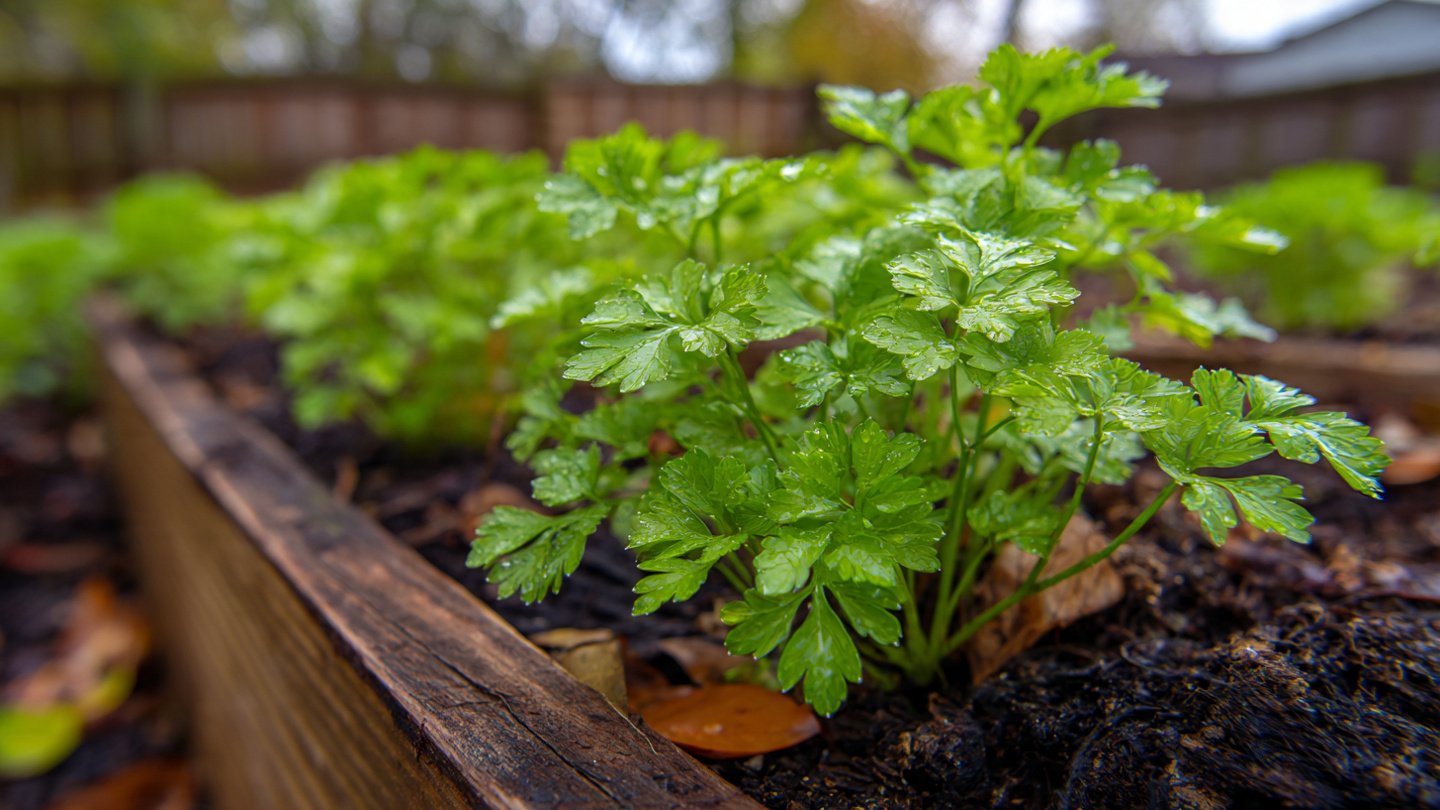
Growing parsley can transform your garden into a verdant haven while adding flavor and nutrition to your meals. By the end of this guide, you’ll be equipped with all the information you need to cultivate vibrant parsley plants successfully.
Understanding Parsley
Types of Parsley
Latest Posts
- With Just 1 Bottle of Water How I Was Shocked by What Happened When Growing Vegetables
- Maximize Your Home Garden with the Hanging Pea Sprout Growing Model – Space-Saving, High-Yield, and Easy-to-Manage Vertical Gardening Solution
- Just Water – The Secret to Growing Plump, White Peanut Sprouts Right at Home: A Step-by-Step Guide for Beginners
- Growing Zucchini at Home in a Container: How to Cultivate Large, Long Fruits with a 1-to-72 Day Step-by-Step Diary for Maximum Yield
- Grow Long Beans on the Terrace in Used Recycling Baskets: The Ultimate Guide to Easy, Space-Saving, and High-Yield Terrace Gardening
- How to Grow Tons of Long Beans Easily Without a Garden – A Complete Guide to Growing Healthy Yardlong Beans Without Fertilizers or Pesticides
- Easy Long Bean Growing Trick – No Garden, No Fertilizer, No Pesticide
- Grow Bitter Melon in Bottles — Harvest So Big You Can’t Eat It All! The Ultimate Guide to Bottle Gardening for Maximum Yields
- Growing Garlic Made Easy: No Soil, Fast Results – The Ultimate Guide to Growing Fresh Garlic Indoors Without Traditional Soil
- Wall-Mounted Hydroponic Watermelon System: Grow Large, Juicy, and Delicious Watermelons at Home with Minimal Space and Maximum Yield
- Flat-leaf Parsley (Italian Parsley): Known for its robust flavor, flat-leaf parsley is often favored by chefs for its culinary uses.
- Curly-leaf Parsley: This variety has frilly leaves and is frequently used as a garnish. While it is less flavorful than flat-leaf parsley, it still can be used in cooking.
Nutritional Value
Parsley is not only aesthetically pleasing but also incredibly nutritious. It is rich in vitamins A, C, and K, and boasts various antioxidants. Adding parsley to your diet can help boost your immune system and improve overall health.
Conditions for Growing Parsley
Climate
Parsley thrives in moderately cool climates. It does well in temperatures ranging from 50°F to 70°F (10°C to 21°C). While it can survive higher temperatures, excessive heat can lead to the plant bolting (going to seed prematurely).
Soil Requirements
- Type: Well-draining, loamy soil is ideal for parsley. Heavy clay or overly sandy soils can lead to poor growth.
- pH Level: Parsley prefers a slightly acidic to neutral pH, ideally between 6.0 and 7.0. Conduct a soil test to determine your garden’s pH.

Sunlight
Parsley enjoys full sun but can also tolerate partial shade. Ideally, aim for at least 4 to 6 hours of direct sunlight daily. Shady spots can lead to longer growth periods and reduced flavor.
Preparing for Planting Parsley
Seed Selection
Choose high-quality seeds from a reputable supplier. When selecting seeds, consider whether you’d like to grow flat-leaf or curly-leaf parsley.
Starting Seeds Indoors
- Timing: Start seeds indoors 8-10 weeks before the last frost date in your area.
- Containers: Use seed trays or peat pots filled with a seed-starting mix.
- Sowing: Sow seeds about 1/4 inch deep and keep the soil moist but not waterlogged.
Direct Sowing Outdoors
- Timing: If planting directly in the garden, do so after the last frost date.
- Spacing: Sow the seeds 1/4 inch deep, spaced about 12 inches apart.
- Thinning: Once seedlings are about 2 inches tall, thin them out to allow for more space.
Caring for Your Parsley Plants
Watering

Parsley needs consistent moisture, especially when young. Water deeply once a week or more often if the topsoil dries out. It’s crucial to avoid overwatering, as this can lead to root rot.
Fertilizing
- Organic Options: Use compost or well-rotted manure at planting time to enrich the soil.
- Liquid Fertilizer: A balanced liquid fertilizer can be applied every 4-6 weeks during the growing season.
Weeding
Regularly check for weeds, which can compete for nutrients and water. Mulching around your parsley can help suppress weed growth.
Pests and Diseases
Common pests include aphids and spider mites. You can manage these pests with organic insecticides or by introducing beneficial insects like ladybugs. Watch out for fungal diseases, which are best addressed by ensuring good air circulation and avoiding overhead watering.
Harvesting Parsley
Timing
You can begin harvesting parsley once the plants are about 6-8 inches tall. Regular harvesting promotes bushier growth.
How to Harvest
- Method: Use scissors or garden shears to cut leaves. Always cut from the outer leaves and leave the inner leaves to continue growing.
- Frequency: Harvest regularly to encourage new growth. Remove flower stalks if they appear, as this can prevent leaf production.

Preserving Parsley
Drying Parsley
- Air Drying: Bundle the parsley and hang it upside down in a cool, dark area with good air circulation.
- Dehydrator: Alternatively, use a food dehydrator set at low temperature.
Freezing Parsley
Chop the fresh parsley and place it in ice cube trays, covering with water or olive oil. Freeze the trays, then store the cubes in freezer bags for easy use in future cooking.
Common Troubleshooting
Slow Growth
If your parsley is growing slowly, it may be due to poor soil conditions or insufficient light. Conduct a soil test and ensure your plants receive the right amount of sunlight.
Yellowing Leaves
Yellowing leaves can signify overwatering or nutrient deficiency. Check soil moisture and consider applying fertilizer.
Flowering (Bolting)
If your parsley starts to bolt, it’s often due to stress, such as extreme heat. Unfortunately, bolting is natural and cannot be reversed. It’s best to harvest what you can and replant in cooler weather.

Conclusion
Growing parsley is a rewarding endeavor that enhances both your garden’s beauty and your cooking. With the right conditions, consistent care, and proper harvesting techniques, you’ll enjoy a continuous supply of fresh parsley.
FAQs
1. Can I grow parsley indoors?
Yes! You can grow parsley indoors by placing pots in a sunny windowsill or under grow lights.
2. How often should I water parsley?
Water parsley deeply once a week, but more frequently in hot weather to keep the soil consistently moist.
3. How long does it take for parsley to germinate?
Parsley seeds can take 2-4 weeks to germinate, especially if the soil is cool.
4. Can I use store-bought parsley seeds?
Yes, but ensure the seeds are of high quality and suitable for the cultivar you wish to grow.
5. Is parsley a perennial or annual plant?
Parsley is a biennial plant, but it is typically grown as an annual in most gardens.

6. When is the best time to plant parsley?
The best time to plant parsley is in the spring after the last frost or in the fall in warmer climates.
7. How do I know when to harvest parsley?
You can start harvesting when the plants are around 6-8 inches tall. Harvest the outer leaves while leaving the inner ones to grow.
8. Can I grow parsley in containers?
Absolutely! Parsley grows well in containers. Just make sure the pots have proper drainage and ensure consistent moisture.
9. What’s the best way to prevent pests?
Encourage beneficial insects, avoid overcrowding, and check for pests regularly to keep your parsley healthy.
10. Can I replant parsley cuttings?
Parsley cuttings can sometimes root in water, but it’s generally more effective to start from seeds or young plants.
By following this guide, you’ll be on your way to cultivating lush, fragrant parsley that enhances your garden and your meals. Happy gardening!