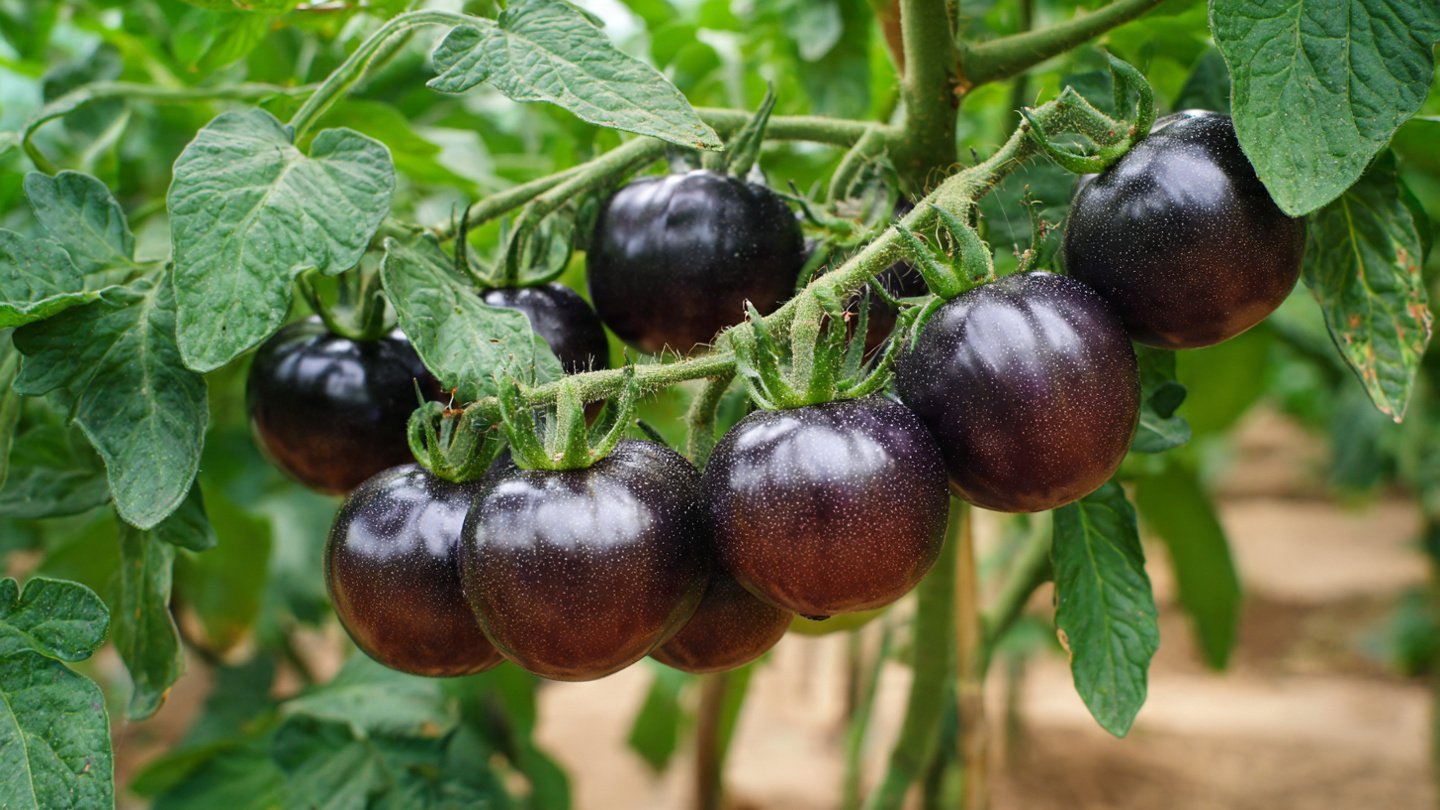
Cultivating black tomatoes in containers has become an exciting venture for both seasoned gardeners and beginners. Known for their rich, complex flavors and beautiful dark hues, black tomatoes are a delightful addition to any garden. Growing them in containers not only provides flexibility in terms of space but also allows you to control their environment more effectively. This article will guide you through the process of successfully cultivating black tomatoes in containers, ensuring maximum flavor and yield.
Understanding Black Tomatoes
What Are Black Tomatoes?
Latest Posts
- With Just 1 Bottle of Water How I Was Shocked by What Happened When Growing Vegetables
- Maximize Your Home Garden with the Hanging Pea Sprout Growing Model – Space-Saving, High-Yield, and Easy-to-Manage Vertical Gardening Solution
- Just Water – The Secret to Growing Plump, White Peanut Sprouts Right at Home: A Step-by-Step Guide for Beginners
- Growing Zucchini at Home in a Container: How to Cultivate Large, Long Fruits with a 1-to-72 Day Step-by-Step Diary for Maximum Yield
- Grow Long Beans on the Terrace in Used Recycling Baskets: The Ultimate Guide to Easy, Space-Saving, and High-Yield Terrace Gardening
- How to Grow Tons of Long Beans Easily Without a Garden – A Complete Guide to Growing Healthy Yardlong Beans Without Fertilizers or Pesticides
- Easy Long Bean Growing Trick – No Garden, No Fertilizer, No Pesticide
- Grow Bitter Melon in Bottles — Harvest So Big You Can’t Eat It All! The Ultimate Guide to Bottle Gardening for Maximum Yields
- Growing Garlic Made Easy: No Soil, Fast Results – The Ultimate Guide to Growing Fresh Garlic Indoors Without Traditional Soil
- Wall-Mounted Hydroponic Watermelon System: Grow Large, Juicy, and Delicious Watermelons at Home with Minimal Space and Maximum Yield
Black tomatoes, often referred to as purple or chocolate tomatoes, are typically characterized by their dark skin and rich flavor profile. Varieties such as Cherokee Purple, Black Krim, and Black Prince are popular choices among gardeners. These tomatoes boast high levels of antioxidants and can offer a deeper, more complex taste compared to their red or yellow counterparts. While they can be used fresh in salads, salsas, or as a vibrant cooked ingredient, their striking color and flavor elevate any dish they grace.
Benefits of Growing in Containers
Growing tomatoes in containers comes with its unique set of advantages:
- Space Efficiency: Ideal for urban settings or small gardens where space is limited.
- Controlled Environment: Easier to manage soil quality, drainage, and exposure to sunlight.
- Pest Management: Reduced likelihood of ground pests and disease issues associated with in-ground gardening.
- Mobility: Containers can be moved to take advantage of optimal sun exposure or to protect plants from harsh weather.
Selecting the Right Black Tomato Varieties
When selecting the ideal black tomatoes for your container garden, consider the following:
-
Cherokee Purple: Known for its juicy flavor and meaty texture, this heirloom variety can grow quite large, so choose a spacious container.
-
Black Krim: A dark-skinned variety from Crimea that offers a unique sweet flavor, perfect for sauces and salads.
-
Black Prince: This compact variety produces medium-sized fruits with a rich taste, making it a great option for smaller containers.
-
Indigo Rose: A smaller variety that boasts high levels of anthocyanins, ideal for salads and garnishing.

Choosing the Right Containers
Container Size
Choosing the right container size is crucial for healthy tomato growth. A minimum size of 5 gallons is recommended for most black tomato varieties, while larger options (10-15 gallons) are even better, as they allow for more root space, which translates to healthier plants and improved yields.
Drainage
Ensure that your containers have drainage holes at the bottom. Using containers without proper drainage can lead to waterlogged soil, which can cause root rot and other issues. You can also add a layer of gravel or rocks at the bottom before adding soil to further enhance drainage.
Material
Containers made from materials such as plastic, ceramic, or metal are suitable; just ensure they are food-safe if they are not new. Each material has its own pros and cons:
-
Plastic: Lightweight and often more affordable, but can heat up quickly in the sun.
-
Ceramic: Attractive and stable in terms of temperature but can be heavy and costly.
-
Wood: Provides insulation but may degrade over time unless treated properly.

Preparing the Soil
Choosing the Right Soil Mix
Tomatoes thrive best in nutrient-rich, well-draining soil. A high-quality potting mix that retains moisture while allowing for excess drainage is ideal. You can either purchase a pre-mixed potting soil or create your own by combining the following:
- 1 part peat moss or coconut coir – for moisture retention
- 1 part compost – for nutrients
- 1 part perlite or vermiculite – for drainage
Soil Amendments
To enhance the fertility of your soil, consider adding some slow-release fertilizers and organic amendments, such as:
- Bone meal: Helps in root development and offers phosphorus.
- Kelp meal: Provides trace minerals and improves overall plant health.
- Worm castings: Adds beneficial microorganisms and improves soil structure.
Planting Black Tomatoes
Timing
The best time to plant black tomatoes is after the last frost in spring. Check your local frost dates and plan accordingly. Tomatoes prefer warmer soil temperatures, ideally between 70°F – 85°F (21°C – 29°C).

Planting Steps
-
Water Your Soil: Before planting, make sure the potting mix is moist but not soggy.
-
Transplanting: If you’re starting with seedlings, transplant them into larger containers when they have developed at least two sets of true leaves. Dig a hole deep enough to bury approximately two-thirds of the stem to promote strong root development.
-
Spacing: If growing multiple plants in one container, ensure adequate space between them. Generally, a spacing of 18-24 inches per plant is recommended.
-
Stake Early: To manage the growth and support your tomatoes, insert stakes or cages into the soil at planting time to avoid disturbing the roots later.
Watering and Maintenance
Watering Regimen
Maintaining the right moisture level is critical for tomato plants, especially in containers. Water deeply but infrequently, allowing the top inch of soil to dry out between waterings. On average, black tomatoes need about 1-2 inches of water per week. During hot summer months, you may need to increase watering frequency.
Fertilizing
During the growing season, feed your black tomatoes with a balanced fertilizer (such as a 5-10-10 NPK ratio) every 4-6 weeks. Avoid over-fertilizing, as this can lead to excessive foliage growth at the expense of fruit production.
Pruning
Regular pruning of leaves and suckers will help improve airflow, reduce disease, and encourage higher fruit yields. Focus on removing lower leaves that touch the soil and any suckers that grow in the leaf axils.
Pest and Disease Management

Common Pests
Be on the lookout for:
- Aphids: Small, soft-bodied insects that can be controlled with insecticidal soap.
- Whiteflies: Tiny white insects that suck plant sap. Use yellow sticky traps or neem oil to manage their populations.
- Spider Mites: Check for fine webbing on leaves. Increase humidity or use insecticidal soap.
Disease Prevention
Tomatoes are susceptible to various diseases, such as blight and blossom end rot. To prevent these issues:
- Ensure good air circulation around plants.
- Water at the soil level to prevent wet foliage.
- Use disease-resistant varieties when possible.
- Rotate crops annually if gardening in the ground.
Harvesting Black Tomatoes
Black tomatoes are generally ready to harvest when they have turned a rich, dark color and feel slightly soft to the touch. Depending on the variety, this can take anywhere from 70 to 100 days after planting. They can be harvested when fully ripe or slightly under-ripe for a longer shelf life.
To harvest, gently twist the fruit off the vine or use scissors to avoid damaging the stem. Store harvested tomatoes at room temperature to maintain their flavor and quality.
FAQs

1. Can I grow black tomatoes indoors?
Absolutely! Black tomatoes can thrive indoors if provided with sufficient sunlight or supplemental grow lights. Ensure containers have good drainage and monitor moisture levels closely.
2. How can I improve the flavor of my black tomatoes?
Flavor is influenced by several factors, including soil quality, water management, and exposure to sunlight. Using organic fertilizers, proper watering techniques, and ensuring adequate sunlight will enhance their taste.
3. What can I do if my black tomatoes are not producing fruit?
If you’re seeing lush foliage but few fruits, it may be due to over-fertilization, inadequate sunlight, or extreme temperatures. Ensure plants receive 6-8 hours of sunlight and reduce nitrogen-rich fertilizers.
4. How do I store black tomatoes?
Store black tomatoes at room temperature, out of direct sunlight. To extend their shelf life, refrigerate only for very ripe tomatoes and consume them within a few days.
5. Can I propagate black tomatoes from cuttings?
Yes, you can propagate black tomatoes from cuttings. Take a cutting from a healthy plant and place it in water or directly in moist soil until roots develop.
Conclusion
Cultivating black tomatoes in containers is not only feasible but can also lead to a bountiful harvest of exquisitely flavorful fruits. By selecting the right variety, preparing your containers and soil properly, and maintaining diligent care, you can enjoy the rich reward of homegrown black tomatoes. With a bit of attention and care, these stunning fruits can transform your culinary experiences and garden aesthetics alike. Happy gardening!