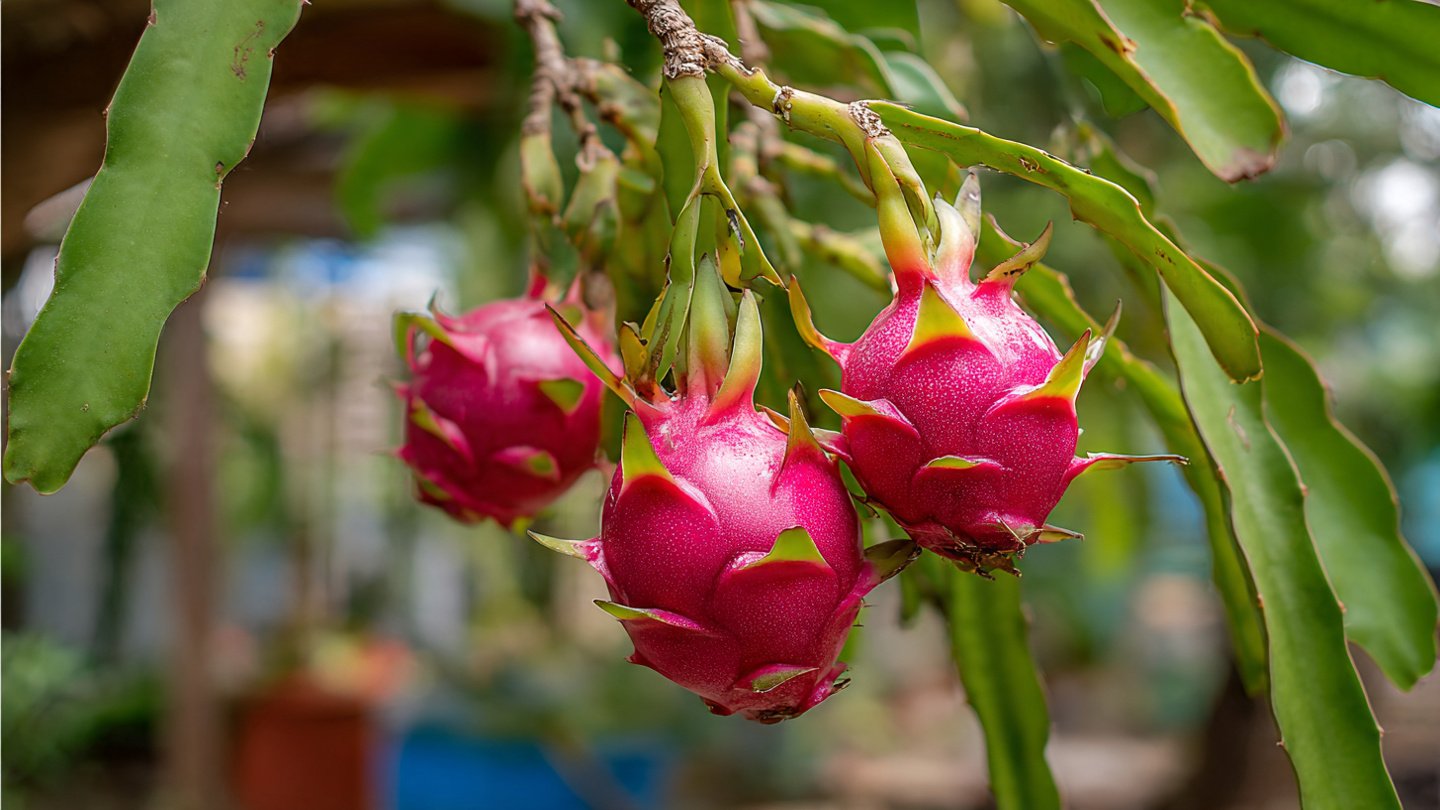
Dragon fruit, also known as pitaya, is a tropical fruit that has gained immense popularity due to its unique appearance and incredible health benefits. Not only is it a feast for the eyes with its bright pink or yellow skin and speckled flesh, but it’s also rich in antioxidants, vitamins, and minerals. For home gardeners, growing dragon fruit in pots can be a rewarding venture. This guide will provide you with everything you need to know about cultivating this exotic fruit at home.
Understanding Dragon Fruit
Before we dive into the specifics of growing dragon fruit in pots, it’s essential to understand its botanical characteristics. Dragon fruit is the fruit of several different cactus species indigenous to the Americas. The most commonly cultivated varieties include:
Latest Posts
- With Just 1 Bottle of Water How I Was Shocked by What Happened When Growing Vegetables
- Maximize Your Home Garden with the Hanging Pea Sprout Growing Model – Space-Saving, High-Yield, and Easy-to-Manage Vertical Gardening Solution
- Just Water – The Secret to Growing Plump, White Peanut Sprouts Right at Home: A Step-by-Step Guide for Beginners
- Growing Zucchini at Home in a Container: How to Cultivate Large, Long Fruits with a 1-to-72 Day Step-by-Step Diary for Maximum Yield
- Grow Long Beans on the Terrace in Used Recycling Baskets: The Ultimate Guide to Easy, Space-Saving, and High-Yield Terrace Gardening
- How to Grow Tons of Long Beans Easily Without a Garden – A Complete Guide to Growing Healthy Yardlong Beans Without Fertilizers or Pesticides
- Easy Long Bean Growing Trick – No Garden, No Fertilizer, No Pesticide
- Grow Bitter Melon in Bottles — Harvest So Big You Can’t Eat It All! The Ultimate Guide to Bottle Gardening for Maximum Yields
- Growing Garlic Made Easy: No Soil, Fast Results – The Ultimate Guide to Growing Fresh Garlic Indoors Without Traditional Soil
- Wall-Mounted Hydroponic Watermelon System: Grow Large, Juicy, and Delicious Watermelons at Home with Minimal Space and Maximum Yield
- Hylocereus undatus (white flesh with pink skin)
- Hylocereus costaricensis (red flesh with pink skin)
- Hylocereus megalanthus (yellow skin with white flesh)
These cacti are not only drought-tolerant but also thrive in sunny environments, making them suitable for container gardening.
Choosing the Right Pot
Size of the Pot
The first step in growing dragon fruit is selecting the right pot. Since dragon fruit plants can grow tall (up to 20 feet), a spacious pot is essential. Choose a pot that is at least 12–18 inches in diameter and 12–18 inches deep. Ensure that the pot has drainage holes to prevent waterlogging, which can lead to root rot.
Material of the Pot

You can choose from ceramic, plastic, or terracotta pots. Terracotta pots are excellent because they are porous, allowing air and moisture to pass through, but they can dry out faster. Plastic pots retain moisture longer but may not provide as much aeration. Based on your climate and watering routine, select the appropriate type.
Soil Requirements
Dragon fruit thrives in well-draining soil. A good mix would be:
- 1 part potting soil
- 1 part compost
- 1 part perlite or coarse sand
This mix will provide enough nutrients and ensure excellent drainage. You can also include some granular fertilizer to boost nutrient content. Look for a fertilizer that is low in nitrogen and high in potassium and phosphorus to promote flowering and fruiting.
Selecting the Right Location
Sunlight
Dragon fruit requires full sun for optimal growth, ideally around 6-8 hours per day. Place your pots in a location that receives ample sunlight, such as a south-facing balcony or patio.
Temperature
This cactus thrives in warm temperatures, ideally between 65°F to 100°F (18°C to 38°C). If you live in a region where temperatures drop significantly during the winter, consider bringing your pots indoors or placing them in a greenhouse.

Planting Dragon Fruit
Obtaining Dragon Fruit Cuttings
You can propagate dragon fruit through seeds or cuttings, but cuttings are the preferred method for home gardeners. Obtain cuttings from a healthy dragon fruit plant, making sure they are about 12-18 inches long. Allow the cut end to callous over for a couple of days before planting.
Planting the Cuttings
-
Prepare the Pot: Fill your pot with the prepared soil mix, leaving some space at the top.
-
Plant the Cutting: Insert the calloused end of the cutting about 2-3 inches deep into the soil. You can plant multiple cuttings in a larger pot, keeping them spaced apart.
-
Water Thoroughly: Water the soil after planting, but avoid saturating it. The goal is to keep the soil slightly moist.
Caring for Your Dragon Fruit Plant
Watering
Dragon fruit plants are drought-tolerant but do require regular watering, especially during their growing season (spring and summer). Water the plant deeply when the top inch of soil feels dry. Be cautious not to overwater; dull leaves may indicate excess moisture.

Fertilizing
During the growing season, fertilize your dragon fruit every 4-6 weeks. Use a balanced fertilizer high in phosphorus to encourage flowering. In the winter, reduce or stop fertilizing as the plant goes dormant.
Pruning
Regular pruning is essential to maintain the shape of your dragon fruit plant and encourage new growth and flowering. You should prune back any dead or unhealthy branches and any that are too long or sprawling.
Supporting the Plant
Dragon fruit plants require support as they grow. Use a trellis, stake, or a sturdy structure to help the plant climb. You can also use a large, heavy-duty stake placed in the pot, ensuring it’s stable enough to support the weight of the growing plant.
Monitoring for Pests and Diseases
Despite being relatively resistant to pests, dragon fruit can still attract certain insects such as aphids, mealybugs, and spider mites. Regularly inspect your plants, and if you notice any pests, treat them promptly with insecticidal soap or neem oil.
Common Diseases
Be on the lookout for diseases such as root rot, which is typically caused by overwatering. Make sure your potting mix is well-draining, and avoid letting the roots sit in water.
Harvesting Dragon Fruit
Once your dragon fruit plants mature, which typically takes about 1-2 years, you’ll see beautiful buds forming. Depending on the variety, the buds will develop within a few weeks, eventually turning into fruit.
-
Ripeness: A dragon fruit is ready to harvest when its skin is vibrant in color and the scales (or ridges) on the fruit begin to dry out.
-
Harvesting: Use a sharp knife to cut the fruit from the plant, leaving some of the stem attached.
-
Storage: Freshly harvested dragon fruit can be stored in the refrigerator and is best eaten within a week.
Tips for Success
- Choose Healthy Cuttings: Always use cuttings from healthy plants to ensure robust growth.
- Avoid Overwatering: Dragon fruit thrives on neglect when it comes to watering.
- Rotate Your Plants: If growing indoors, rotate the pot every few weeks so all sides receive equal sunlight.
FAQs
Q1: How long does it take for a dragon fruit plant to produce fruit?
A1: Dragon fruit plants typically take 1-2 years to start yielding fruit after planting cuttings.
Q2: Can I grow dragon fruit indoors?
A2: Yes, you can grow dragon fruit indoors as long as they receive sufficient sunlight (6-8 hours) and are placed in a large enough pot.
Q3: Do dragon fruit plants need a lot of water?
A3: While dragon fruit plants do need regular watering, they prefer well-draining soil and should not be overwatered. Allow the top inch of soil to dry out before watering.
Q4: Are there any specific pests I should watch out for?
A4: Common pests include aphids, mealybugs, and spider mites. Regular inspection and prompt treatment with insecticidal soap or neem oil will keep your plants healthy.
Q5: What should I do if the plant isn’t producing fruit?
A5: Ensure it’s getting enough sunlight, and consider adjusting your fertilization routine. A lack of flowers may also indicate excessive nitrogen in the soil.
Q6: Can I grow dragon fruit from seeds?
A6: Yes, but growing from cuttings is more efficient and faster. If you choose to grow from seeds, be prepared for a longer wait for fruit.
Growing dragon fruit in pots can provide home gardeners with a beautiful and productive addition to their gardens. By following this guide, you’re on your way to enjoying the vibrant and delicious fruits of your labor. Happy gardening!