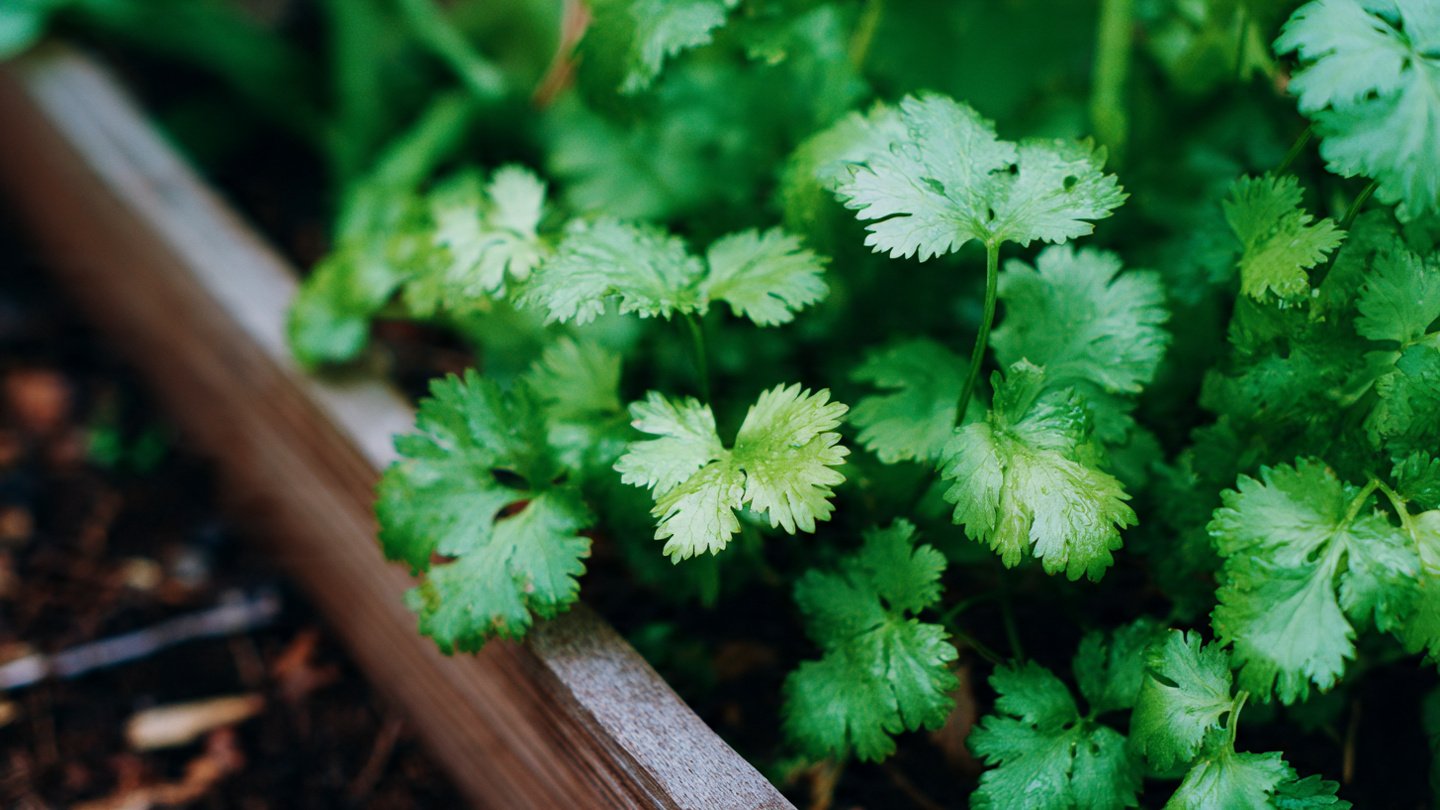
Cilantro, also known as coriander (Coriandrum sativum), is a beloved herb celebrated for its aromatic leaves and seeds that add freshness and flavor to a variety of dishes. Whether you’re a novice gardener or an experienced horticulturist, understanding how to cultivate cilantro can enhance your culinary adventures. This comprehensive guide will cover everything from selecting the right variety to harvesting and common problems you may encounter, ensuring you can grow cilantro successfully in your backyard garden.
Table of Contents
- Understanding Cilantro
- Choosing the Right Variety
- Ideal Growing Conditions
- Soil Requirements
- Light Requirements
- Watering Needs
- Planting Cilantro
- Starting from Seeds
- Transplanting Seedlings
- Caring for Your Cilantro Plants
- Fertilizing
- Pest Control
- Managing Disease
- Harvesting Cilantro
- Storing Cilantro
- Common Problems
- FAQs
1. Understanding Cilantro
Cilantro is an herb native to regions ranging from Southern Europe to Northern Africa and Western Asia. It has a unique flavor profile, with some people enjoying its fresh taste while others find it somewhat controversial due to a natural compound that can produce a soapy flavor for some individuals. Fresh cilantro leaves are used in salads, salsas, soups, and various ethnic dishes, while the seeds, known as coriander, are used as a spice in many cuisines.
2. Choosing the Right Variety
When it comes to cilantro, there are mainly two types to consider:
- Cilantro (Leafy Part): This is the fresh green herb you typically see in culinary applications.
- Coriander (Seeds): These are the dried seeds of the plant, often ground into a spice.
For home gardening, you’ll primarily focus on the cilantro variety, known for its faster growth and lush green leaves, such as “Cilantro Slow Bolt,” which is specially bred to resist bolting in warmer climates.
3. Ideal Growing Conditions
Soil Requirements
Cilantro prefers well-drained, loamy soil with a pH level between 6.2 and 6.8. Amend the soil with compost or well-rotted manure to ensure it retains moisture while draining well.
Latest Posts
- With Just 1 Bottle of Water How I Was Shocked by What Happened When Growing Vegetables
- Maximize Your Home Garden with the Hanging Pea Sprout Growing Model – Space-Saving, High-Yield, and Easy-to-Manage Vertical Gardening Solution
- Just Water – The Secret to Growing Plump, White Peanut Sprouts Right at Home: A Step-by-Step Guide for Beginners
- Growing Zucchini at Home in a Container: How to Cultivate Large, Long Fruits with a 1-to-72 Day Step-by-Step Diary for Maximum Yield
- Grow Long Beans on the Terrace in Used Recycling Baskets: The Ultimate Guide to Easy, Space-Saving, and High-Yield Terrace Gardening
- How to Grow Tons of Long Beans Easily Without a Garden – A Complete Guide to Growing Healthy Yardlong Beans Without Fertilizers or Pesticides
- Easy Long Bean Growing Trick – No Garden, No Fertilizer, No Pesticide
- Grow Bitter Melon in Bottles — Harvest So Big You Can’t Eat It All! The Ultimate Guide to Bottle Gardening for Maximum Yields
- Growing Garlic Made Easy: No Soil, Fast Results – The Ultimate Guide to Growing Fresh Garlic Indoors Without Traditional Soil
- Wall-Mounted Hydroponic Watermelon System: Grow Large, Juicy, and Delicious Watermelons at Home with Minimal Space and Maximum Yield
Light Requirements
Cilantro thrives best under full sun exposure but can tolerate partial shade. Ideally, aim for at least 6 hours of direct sunlight daily, particularly in cooler climates. In warmer areas, cilantro benefits from a bit of afternoon shade.
Watering Needs
Cilantro requires regular watering to keep the soil consistently moist but not soggy. Aim for about 1 inch of water per week, depending on rainfall and temperature. A drip irrigation system can help maintain consistent moisture levels.
4. Planting Cilantro
Starting from Seeds
- Timing: Cilantro is tolerant of cooler weather but can also thrive in warmer soil. Aim to sow seeds in early spring or fall.
- Sowing Seeds: Sow seeds about 1/4 inch deep and space them 1 inch apart. Rows should be 12 inches apart to allow for proper air circulation.
- Thinning: Once seedlings are 2-3 inches tall, thin them to about 4-6 inches apart to allow good airflow and prevent disease.
Transplanting Seedlings
If you’re starting cilantro indoors, transplant seedlings once they have two true leaves and the danger of frost has passed. Transplant them at the same depth as they were in their pots.
5. Caring for Your Cilantro Plants
Fertilizing
Although cilantro doesn’t require a lot of fertilizer, a light feeding with a balanced fertilizer every 4-6 weeks can promote healthy growth. Avoid high-nitrogen fertilizers, as they can encourage rapid leaf growth but may cause the plant to bolt.
Pest Control
Be on the lookout for common pests such as aphids, caterpillars, and spider mites. Use insecticidal soap or neem oil for treatment. Attracting beneficial insects, like ladybugs, can also help keep pest populations in check.
Managing Disease
Cilantro is relatively disease-resistant, but overwatering can lead to problems like root rot. Ensure your plants are well-spaced to enhance airflow and reduce humidity around the leaves.
6. Harvesting Cilantro
Cilantro can be harvested as soon as the leaves are big enough to use, typically around 3-4 weeks after sowing. The best time to harvest is in the morning when temperatures are cooler, leading to more flavorful leaves.

- Leaves: Cut the stems about 1-2 inches above the soil line to encourage further growth.
- Seeds: If you wish to harvest coriander seeds, allow the plant to flower and go to seed. Once the seed heads turn brown, cut the stem and place it in a paper bag to fully dry.
7. Storing Cilantro
Fresh cilantro can be stored in a few different ways:
- In the Refrigerator: Place stems in a glass of water, cover with a plastic bag, and refrigerate. Change the water every few days for up to two weeks.
- Freezing: Chop cilantro and mix it with a little water or olive oil in an ice cube tray and freeze. Pop out a cube when you need it for recipes.
8. Common Problems
Bolting
Cilantro may bolt (flower and go to seed) when exposed to excessive heat. To delay bolting, consider planting in the fall or using shade cloth during the hottest part of summer.
Leaf Discoloration
If cilantro leaves turn yellow, it may indicate nutrient deficiency or overwatering. Adjust watering practices and consider a balanced organic fertilizer if necessary.
Pests and Diseases
Apart from pests like aphids, watch out for fungal issues in overly moist conditions. Good air circulation and avoiding water on the leaves can minimize fungal problems.
9. FAQs
Q1: Can cilantro be grown indoors?
Yes, cilantro can be grown indoors! Use a pot with drainage holes, provide adequate sunlight (preferably near a south-facing window), and maintain consistent moisture.
Q2: How often should I water my cilantro?
Cilantro should be watered about once a week, but this can vary based on rainfall and temperature. Ensure the soil is consistently moist but not waterlogged.
Q3: Why does my cilantro taste bitter?
Cilantro can taste bitter if it is either too mature (going to seed) or stressed from environmental conditions. Regular harvesting encourages more fresh growth.
Q4: How long does cilantro take to grow?
Cilantro typically takes about 3-4 weeks from sowing to harvest for leaves. For seeds (coriander), it will take about 60-80 days after flowering.
Q5: Can I save cilantro seeds for future planting?
Yes, you can save seeds! Once the seed heads turn brown, collect them, dry them fully, and store them in a cool, dry place until planting.
Cultivating cilantro in your backyard garden not only enhances your culinary skills but also nurtures a passion for gardening. With the right knowledge and care, both beginners and experts can enjoy fresh cilantro year-round, adding a burst of flavor to countless dishes. Happy gardening!