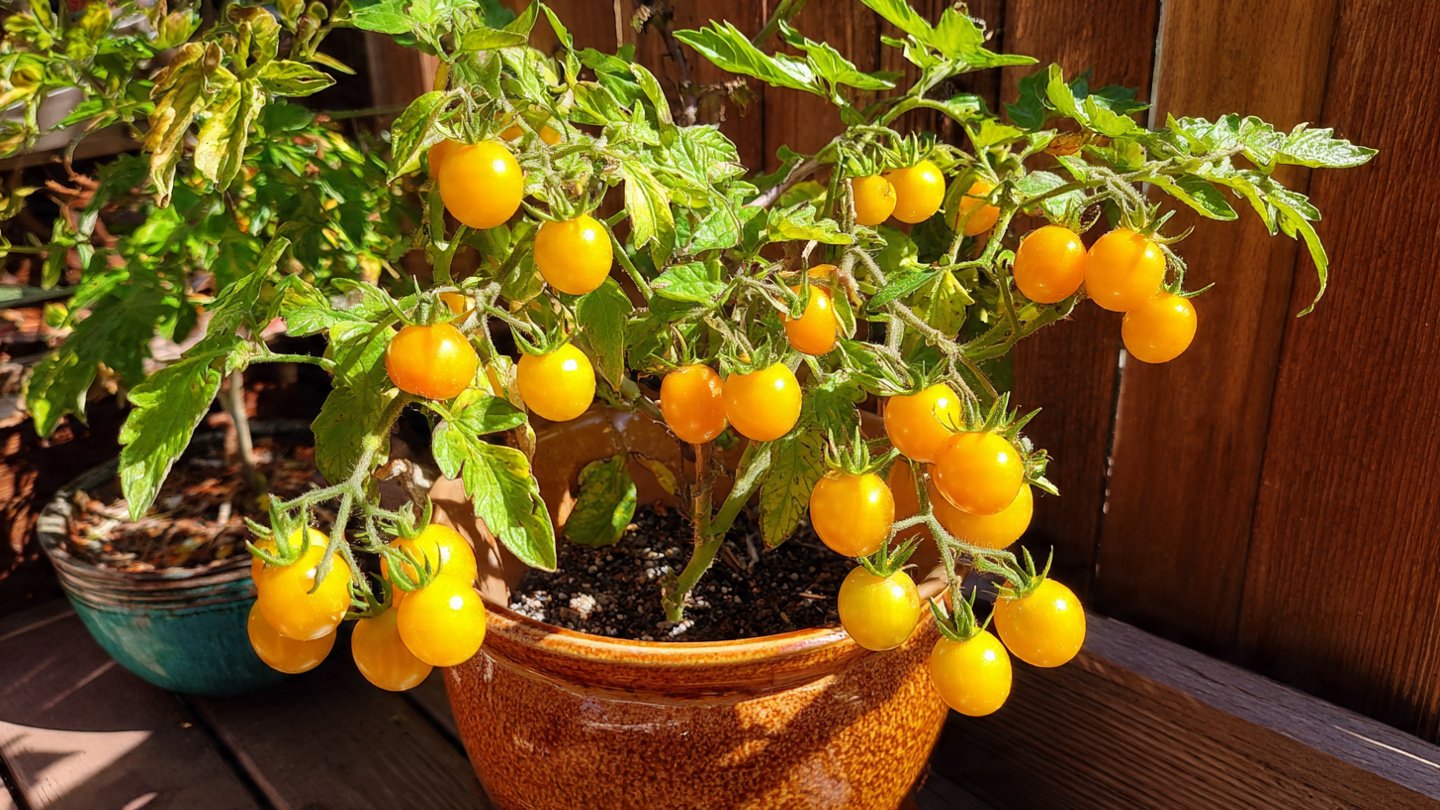
Growing yellow cherry tomatoes in containers is a rewarding gardening endeavor that combines convenience and aesthetic appeal. Their vibrant color, sweet flavor, and compact nature make them an excellent choice for both novice and experienced gardeners. In this article, we will explore the essential techniques to grow healthy, flavorful yellow cherry tomatoes in containers, along with tips for maximizing yield. Additionally, we’ll address some frequently asked questions to enhance your gardening knowledge.
Benefits of Growing Yellow Cherry Tomatoes in Containers
- With Just 1 Bottle of Water How I Was Shocked by What Happened When Growing Vegetables
- Maximize Your Home Garden with the Hanging Pea Sprout Growing Model – Space-Saving, High-Yield, and Easy-to-Manage Vertical Gardening Solution
- Just Water – The Secret to Growing Plump, White Peanut Sprouts Right at Home: A Step-by-Step Guide for Beginners
- Growing Zucchini at Home in a Container: How to Cultivate Large, Long Fruits with a 1-to-72 Day Step-by-Step Diary for Maximum Yield
- Grow Long Beans on the Terrace in Used Recycling Baskets: The Ultimate Guide to Easy, Space-Saving, and High-Yield Terrace Gardening
- How to Grow Tons of Long Beans Easily Without a Garden – A Complete Guide to Growing Healthy Yardlong Beans Without Fertilizers or Pesticides
- Easy Long Bean Growing Trick – No Garden, No Fertilizer, No Pesticide
- Grow Bitter Melon in Bottles — Harvest So Big You Can’t Eat It All! The Ultimate Guide to Bottle Gardening for Maximum Yields
- Growing Garlic Made Easy: No Soil, Fast Results – The Ultimate Guide to Growing Fresh Garlic Indoors Without Traditional Soil
- Wall-Mounted Hydroponic Watermelon System: Grow Large, Juicy, and Delicious Watermelons at Home with Minimal Space and Maximum Yield
-
Space Efficiency: Container gardening allows you to grow tomatoes even in limited spaces, such as balconies, patios, or small yards.
-
Control Over Soil and Nutrients: Containers enable you to manage soil quality and nutrients more precisely, promoting better growth.
-
Mobility: Containers can be moved to optimize sunlight exposure or protect plants from harsh weather.
-
Pest and Disease Management: Growing in containers can help reduce soil-borne diseases and pests.
-
Aesthetic Appeal: The bright yellow color of cherry tomatoes adds visual interest to any space.
Latest Posts
Choosing the Right Container
Size Matters
For yellow cherry tomatoes, choose containers that are at least 5 gallons in size. This provides ample root space to support healthy growth.
Material
Containers can be made from various materials:
- Plastic: Lightweight and affordable but may overheat in direct sun.
- Terracotta: Porous and allows for better aeration but can dry out quickly.
- Fabric Pots: Excellent drainage and root aeration but need frequent watering.

Drainage
Ensure that your chosen container has drainage holes to prevent waterlogging, which could lead to root rot.
Selecting Quality Seeds or Seedlings
Seeds
Be sure to select high-quality yellow cherry tomato seeds from a reputable source. Look for varieties known for their flavor and vigor, such as ‘Sun Gold’ or ‘Yellow Pear.’
Seedlings
If you prefer starting with seedlings, choose healthy plants from a local nursery. Look for vibrant leaves and sturdy stems, avoiding any signs of disease or pest damage.
Soil: The Foundation for Success
Garden Soil vs. Potting Mix
Use a high-quality potting mix designed specifically for containers. Garden soil is not advisable as it may compact in containers and hinder drainage.
Composition
A good potting mix should contain:
- Peat Moss: Helps retain moisture.
- Perlite or Vermiculite: Enhances drainage and aeration.
- Organic Matter: Improves nutrient content.

pH Level
Tomatoes thrive in slightly acidic soils with a pH of 6.0 to 6.8. You can test your soil’s pH and amend it if necessary.
Planting Yellow Cherry Tomatoes
Timing
Plant your yellow cherry tomatoes after the last frost date in your area. Typically, this is in the spring when soil temperatures reach at least 60°F (15°C).
Planting Depth
When transplanting seedlings, bury them slightly deeper than they were growing in their nursery container. This encourages strong root development. If planting seeds, sow them about 1/4 inch deep.
Spacing
If you’re growing more than one plant in a single container, space them at least 18 inches apart to allow for adequate airflow and growth.
Providing Optimal Care
Watering
Frequency: Tomatoes require consistent moisture—water them at least 1-2 times a week. In hot weather, you may need to water daily.
Method: Water deeply, allowing the top inch of soil to dry out between waterings. Avoid getting water on the leaves to prevent fungal diseases.
Fertilizing
Nutrient Requirements
Use a balanced fertilizer or one specifically designed for tomatoes. Look for a formula with equal parts nitrogen, phosphorus, and potassium (NPK), such as 5-10-10.

Application
Fertilize when planting and then every four to six weeks during the growing season, following the manufacturer’s instructions.
Support Structures for Better Yields
Although yellow cherry tomatoes can grow without support, providing stakes or cages can significantly improve air circulation, sunlight exposure, and fruit set.
Types of Supports
- Stakes: Use tall stakes for indeterminate varieties, securing the plant with soft ties.
- Cages: Tomato cages provide excellent support and can help keep fruit off the ground.
Sunlight Requirements
Ideal Sun Exposure
Yellow cherry tomatoes thrive in full sun, requiring a minimum of 6-8 hours of direct sunlight each day. Position your containers where they can receive ample light.
Pest and Disease Management
Common Pests
- Aphids: Tiny green bugs that can be controlled with insecticidal soap or neem oil.
- Spider Mites: Identify them by fine webbing; a powerful jet of water can wash them off.
Common Diseases
- Blight: Rotting of leaves; maintain good air circulation and avoid overhead watering to prevent it.
- Powdery Mildew: White powdery spots on leaves; treat with fungicides if necessary.

Prevention
Regularly inspect your plants for pests and diseases, and practice crop rotation to minimize risks in the following seasons.
Harvesting Yellow Cherry Tomatoes
Signs of Ripeness
Yellow cherry tomatoes are typically ready to harvest when they are bright yellow, firm, and slightly soft to the touch.
Harvesting Technique
Gently twist the fruit to detach it from the stem. Avoid pulling or yanking, as this can damage the plant.
Maximizing Flavor
Tips for Enhanced Taste
- Consistent Watering: Fluctuating water levels can impact flavor. Aim for even moisture.
- Use Compost: Incorporate compost into your potting mix to enhance flavor through rich nutrients.
- Allow Full Ripening: Wait until the tomatoes are fully ripe on the vine for the best flavor.
FAQs
1. Can I grow yellow cherry tomatoes indoors?
Yes, provided they receive adequate sunlight (at least 6-8 hours of direct light) or you can use grow lights.
2. How often should I fertilize my yellow cherry tomatoes?
Fertilize every 4-6 weeks with a balanced tomato fertilizer or compost, depending on the growth stage.

3. What is the ideal temperature for growing yellow cherry tomatoes?
They thrive in temperatures between 70°F and 85°F (21°C to 29°C). Extreme heat or cold can affect growth.
4. How do I know if my yellow cherry tomatoes are getting enough water?
The top inch of soil should be dry before watering again, and the leaves should appear vibrant and healthy, not wilting or curling.
5. Can I save seeds from yellow cherry tomatoes for next year?
Absolutely! Allow the fruit to fully ripen, extract the seeds, rinse them, and allow them to dry before storing them in a cool, dark place.
6. What to do if my plants are not producing fruit?
Ensure they are getting enough sunlight, consistent water, and proper feeding. Additionally, avoid nitrogen-heavy fertilizers, which can promote foliage over fruiting.
7. Are yellow cherry tomatoes more or less susceptible to diseases than red varieties?
Generally, yellow tomatoes are not more or less susceptible than red varieties; all tomatoes can be affected by common diseases and pests depending on growing conditions.
Conclusion
With proper care and attention, growing yellow cherry tomatoes in containers can lead to a bountiful harvest full of flavor. By choosing the right container, soil, support, and care techniques, you’ll be on your way to enjoying the sweet, tangy taste of homegrown tomatoes right at your fingertips. Happy gardening!