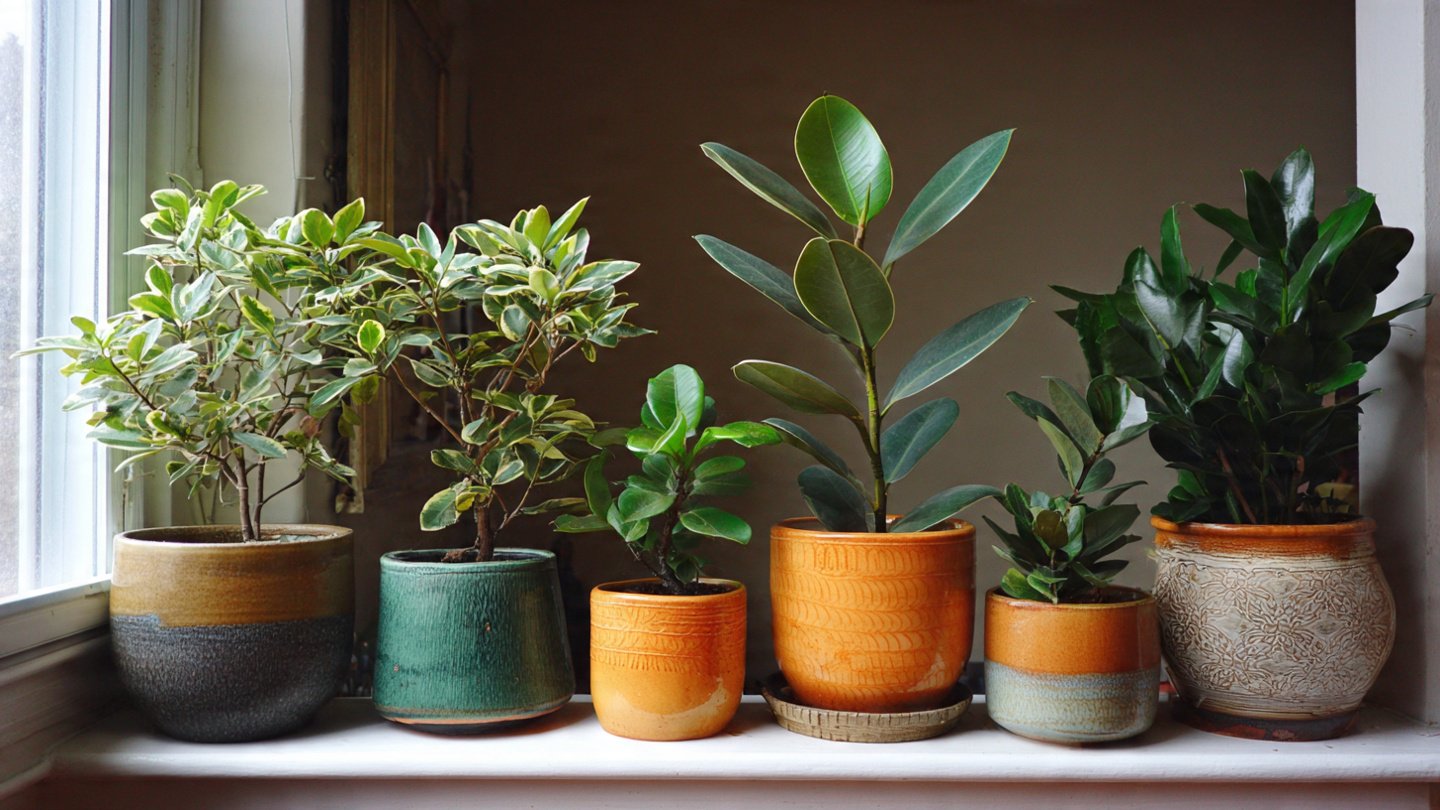
Growing houseplants can be a fulfilling and enriching experience, especially in small spaces like apartments or compact homes. Despite restricted room, it is entirely possible to cultivate a lush indoor garden that not only enhances your space but also improves air quality and overall well-being. This article will delve into effective strategies for successfully growing houseplants in small environments.
1. Choose the Right Plants
A. Compact or Low-Light Species
Latest Posts
- With Just 1 Bottle of Water How I Was Shocked by What Happened When Growing Vegetables
- Maximize Your Home Garden with the Hanging Pea Sprout Growing Model – Space-Saving, High-Yield, and Easy-to-Manage Vertical Gardening Solution
- Just Water – The Secret to Growing Plump, White Peanut Sprouts Right at Home: A Step-by-Step Guide for Beginners
- Growing Zucchini at Home in a Container: How to Cultivate Large, Long Fruits with a 1-to-72 Day Step-by-Step Diary for Maximum Yield
- Grow Long Beans on the Terrace in Used Recycling Baskets: The Ultimate Guide to Easy, Space-Saving, and High-Yield Terrace Gardening
- How to Grow Tons of Long Beans Easily Without a Garden – A Complete Guide to Growing Healthy Yardlong Beans Without Fertilizers or Pesticides
- Easy Long Bean Growing Trick – No Garden, No Fertilizer, No Pesticide
- Grow Bitter Melon in Bottles — Harvest So Big You Can’t Eat It All! The Ultimate Guide to Bottle Gardening for Maximum Yields
- Growing Garlic Made Easy: No Soil, Fast Results – The Ultimate Guide to Growing Fresh Garlic Indoors Without Traditional Soil
- Wall-Mounted Hydroponic Watermelon System: Grow Large, Juicy, and Delicious Watermelons at Home with Minimal Space and Maximum Yield
Opt for compact plants such as pothos, snake plants, or succulents that thrive in smaller pots and require lower light levels. These plants are not only space-efficient but can also adapt to less-than-ideal lighting situations.
B. Consider Non-Toxic Varieties
If you have pets, it’s crucial to select non-toxic plants. Species like spider plants and Boston ferns are safe for animals and add greenery without the risk of harm.
2. Vertical Space Utilization
A. Wall-Mounted Planters
In small spaces, vertical gardening is a game-changer. Use wall-mounted planters or vertical garden systems to maximize your planting area. These can add dimension to your space and create a striking visual effect.
B. Ladder Shelves
Incorporate ladder-style shelving to display plants at different heights. This not only makes efficient use of vertical space but also allows you to create a layered look with varying plant species.
3. Windowsill Gardening
A. Light Matters
The windowsill can become a vibrant plant hub if you select the right spots. Ensure the plants you choose receive the adequate sunlight they need according to their requirements. South-facing windows are often the best for sunlight-loving species.
B. Optimize Space
Use window boxes or small pots that fit comfortably on your sill. Keep windows clear and ensure plants are not blocking light from reaching each other.
4. Smart Potting Solutions
A. Choose the Right Containers
Opt for smaller containers with good drainage to prevent overwatering. Self-watering pots are also excellent for busy individuals, as they reduce the frequency of watering.
B. Grouping Plants
Group plants with similar water and light requirements together. This not only saves space but also simplifies care routines.
5. Innovative Layering
A. Plants on Plant Stands
Utilize plant stands to elevate plants off the ground. This layering technique allows you to fit more plants in a single area while creating an attractive display.
B. Under Furniture
If you have space under furniture like tables or desks, you can place low-light tolerant varieties such as the ZZ plant or peace lily. Just ensure they receive enough indirect light.
6. Efficient Care Practices
A. Regular Maintenance
Consistent care is critical when growing houseplants in small spaces. Create a schedule to check soil moisture, trim dead leaves, and rotate plants to ensure uniform growth.
B. Fertilization
Soil quality can diminish quickly in small pots. Use a balanced, water-soluble fertilizer once a month during the growing season. This will ensure your plants receive adequate nutrients to thrive.
7. Utilize Technology
A. Smart Plant Care Apps
Download apps that remind you when to water or fertilize your plants. Many of these apps provide tailored guidance based on the specific plant species you are growing.
B. Grow Lights
If natural light is limited, consider adjustable LED grow lights. They can be tailored to the specific needs of plants and are especially useful during the winter months when daylight hours are reduced.
8. Creating a Microclimate
A. Humidity and Temperature

Small plant clusters can create a microclimate, where humidity levels are slightly higher, which can boost plant health. Group humidity-loving plants together and consider using a small humidifier if your space is particularly dry.
B. Temperature Consistency
Ensure your plants aren’t placed near temperature extremes, such as radiators or air conditioning vents. Stability in temperature will foster better growth.
9. Seasonal Adjustments
A. Rotating Plants
Seasonal changes may affect how much light your plants get. Rotate outdoor plants to minimize exposure to harsh sun and relocate indoor plants closer to windows as the sun’s angle changes.
B. Winter Precautions
In winter, check your plants for signs of distress due to heat and dry air. You may need to mist them or relocate them to a more humid area during colder months.
10. Educate Yourself
A. Research Plant Care
Invest time in understanding the specific needs of your houseplants. Knowing about their requirements for light, water, and nutrients will significantly increase your success rate.
B. Join a Community
Engage with communities, either online or locally, comprising fellow plant enthusiasts. They can offer valuable insights and support.
FAQs
1. What are the best houseplants for small spaces?
Compact plants like pothos, snake plants, and peace lilies are excellent choices. Other low-maintenance options include succulents and spider plants.
2. How do I ensure my houseplants get enough light in small spaces?
Position plants near windows that receive the most light. You can also use grow lights during the winter months or in poorly lit areas.
3. How often should I water my plants?
Watering frequency varies by plant type, but a good rule of thumb is to check soil moisture with your finger. If the top inch is dry, it’s time to water.
4. Can I grow herbs indoors in small spaces?
Absolutely! Many herbs, such as basil, mint, and chives, can thrive in small pots on windowsills. Make sure they get ample sunlight.
5. Are there any plants that improve air quality?
Yes, plants like peace lilies, spider plants, and snake plants are known to improve indoor air quality by filtering toxins.
6. What is the best way to fertilize houseplants in small containers?
A diluted, water-soluble fertilizer once a month during the growing season is typically effective for houseplants. Always follow the instructions on the fertilizer packaging.
7. How can I prevent pests in my houseplants?
Regularly inspecting your plants and maintaining cleanliness can help mitigate pest issues. If necessary, consider using insecticidal soap or neem oil.
8. Is it safe to keep plants near pets?
Yes, but be cautious about choosing non-toxic plants if you have pets. Always check a plant’s toxicity before bringing it home.
9. What do I do if my plant isn’t thriving?
Examine environmental conditions like light, temperature, and soil moisture. Adjust these elements as needed, and consider repotting if the plant has outgrown its pot.
10. How can I make a small indoor garden look attractive?
Use multi-level plant stands, vary plant heights and textures, and incorporate decorative pots. Group plants with similar care needs and aesthetics for a cohesive look.
Conclusion
Successfully growing houseplants in small spaces is not only achievable but can also be a rewarding endeavor. By selecting the right plants, utilizing vertical space, employing smart care practices, and being proactive about environmental conditions, you can create a thriving indoor garden. With a little bit of creativity and care, your limited space can transform into a vibrant oasis, enhancing both your living environment and overall well-being. Happy planting!