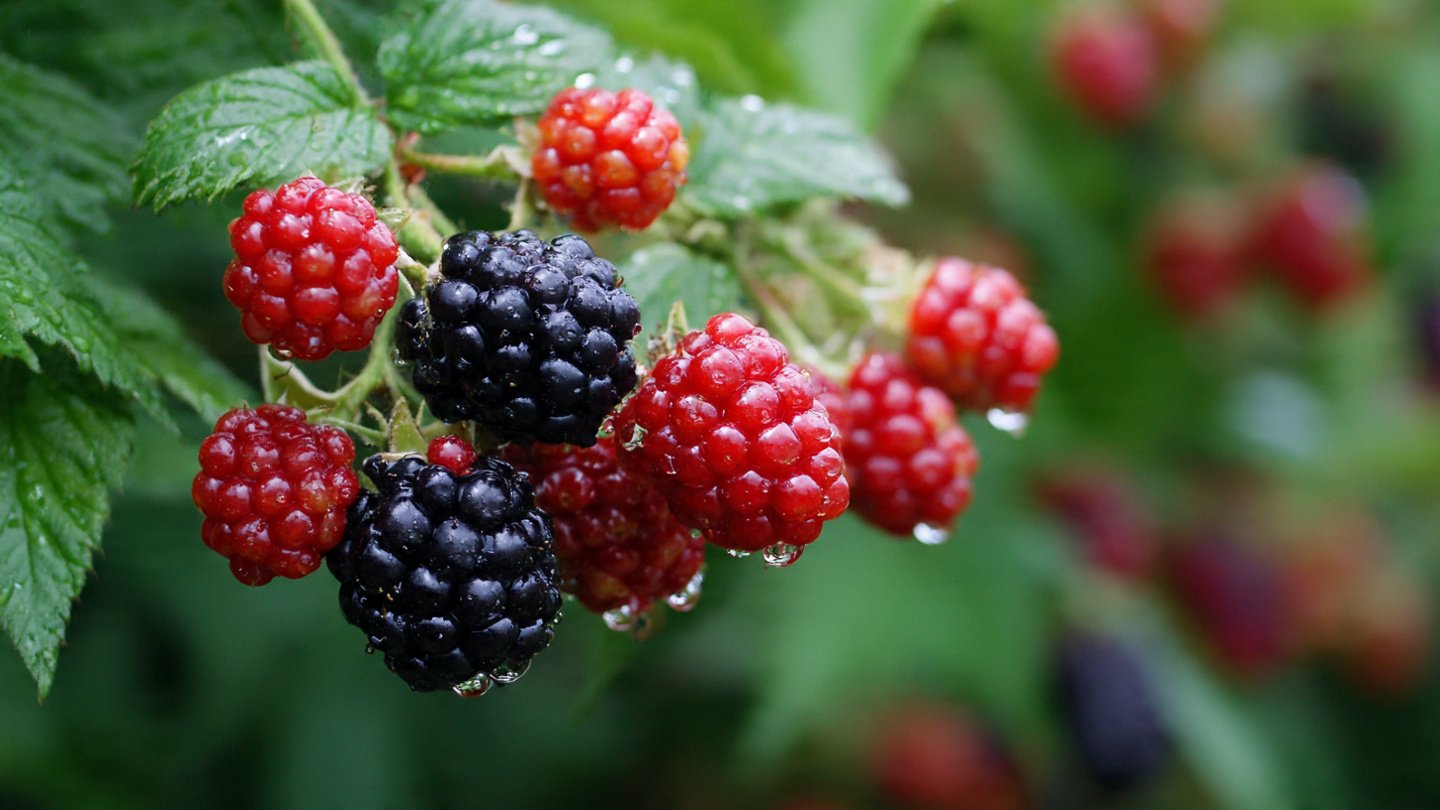
Growing blackberries in your backyard can be a rewarding experience, providing you with delicious, antioxidant-rich fruit and the joy of tending to your garden. This guide will walk you through everything you need to know, from selecting the right variety to caring for your plants and harvesting your berries.
Understanding Blackberries
Blackberries belong to the genus Rubus within the rose family and are perennial bramble fruits. Unlike raspberries, blackberries do not have a hollow core when picked, making them unique in texture and flavor. Their sweet, tart flavor profile is perfect for pies, jams, smoothies, or simply eating fresh.
Varieties of Blackberries
Before planting, it’s essential to choose the right variety for your climate and gardening space. Here are a few popular options:
- Thorned Blackberries: These are traditional varieties, such as ‘Bramble’, which have thorns that can make harvesting challenging.
- Thornless Blackberries: Varieties like ‘Navaho’ and ‘Chester’ offer the benefit of easier harvesting without the hassle of thorns.
- Trailing vs. Erect: Blackberries can be classified as trailing (require support) or erect (self-supporting). Trailing varieties produce longer canes that can spread out, while erect ones tend to stay compact.
Climate and Growing Conditions
Blackberries thrive in USDA Hardiness Zones 5-10, making them suitable for a wide range of regions. Here are essential growing conditions:

- Sunlight: Blackberries enjoy full sun, needing at least 6-8 hours of direct sunlight per day.
- Soil: They prefer well-drained soil rich in organic matter with a pH level between 5.5 and 6.5.
- Water: Regular watering is crucial, especially in dry periods. Blackberries require about an inch of water per week.
Planting Blackberries
Timing
The best time to plant blackberries is in early spring after the last frost date for your area. This allows them to establish before the heat of summer.
Latest Posts
- With Just 1 Bottle of Water How I Was Shocked by What Happened When Growing Vegetables
- Maximize Your Home Garden with the Hanging Pea Sprout Growing Model – Space-Saving, High-Yield, and Easy-to-Manage Vertical Gardening Solution
- Just Water – The Secret to Growing Plump, White Peanut Sprouts Right at Home: A Step-by-Step Guide for Beginners
- Growing Zucchini at Home in a Container: How to Cultivate Large, Long Fruits with a 1-to-72 Day Step-by-Step Diary for Maximum Yield
- Grow Long Beans on the Terrace in Used Recycling Baskets: The Ultimate Guide to Easy, Space-Saving, and High-Yield Terrace Gardening
- How to Grow Tons of Long Beans Easily Without a Garden – A Complete Guide to Growing Healthy Yardlong Beans Without Fertilizers or Pesticides
- Easy Long Bean Growing Trick – No Garden, No Fertilizer, No Pesticide
- Grow Bitter Melon in Bottles — Harvest So Big You Can’t Eat It All! The Ultimate Guide to Bottle Gardening for Maximum Yields
- Growing Garlic Made Easy: No Soil, Fast Results – The Ultimate Guide to Growing Fresh Garlic Indoors Without Traditional Soil
- Wall-Mounted Hydroponic Watermelon System: Grow Large, Juicy, and Delicious Watermelons at Home with Minimal Space and Maximum Yield
Planting Steps
- Prepare the Soil: Test your soil’s pH and amend it as necessary. Incorporate compost to improve drainage and nutrient content.
- Spacing: Space your plants about 3-4 feet apart to allow for foliage expansion and air circulation. Rows should be spaced 6-8 feet apart if you’re planting multiple rows.
- Planting: Dig a hole twice as wide and as deep as the root ball. Place the plant in the hole, ensuring the crown (where roots meet stem) is level with the soil surface. Fill in the hole and water thoroughly.
- Mulching: Add 2-4 inches of mulch to help retain moisture, suppress weeds, and maintain an even soil temperature.
Caring for Blackberry Plants
Watering
Consistent moisture is essential. Water your blackberries deeply once a week, ensuring that the soil stays moist but not waterlogged. During dry spells, increase watering frequency.
Fertilizing
In the spring, apply a balanced fertilizer or compost to encourage growth. Reapply mid-season, following package instructions for rates. Over-fertilization can lead to lush foliage with fewer fruits.
Pruning
Pruning is critical for maintaining healthy plants and enhancing fruit production. Here’s how to prune:

- For Trailing Varieties: After the harvest, cut back fruited canes to the ground. New growth will provide fruit next season.
- For Erect Varieties: Remove any dead or weak canes annually. Thin out healthy canes to about 4-6 per plant.
Pest and Disease Management
Blackberries can be prone to several pests and diseases:
- Pests: Watch for spider mites, aphids, and Japanese beetles. Use insecticidal soap or neem oil as preventive measures.
- Diseases: Powdery mildew and blackberry rust are common diseases. Ensure adequate space for air circulation and avoid overhead watering to minimize these issues.
Harvesting Blackberries
Blackberries generally begin producing in their second year. They are ready for harvest when they are fully colored—black or deep purple—and come off the plant easily.
Harvest Timing
In most regions, blackberry harvesting occurs from mid-summer to early fall. Pick berries every few days to keep up with their ripening schedule.
Storage
Fresh blackberries can be stored in the refrigerator for up to a week. They can also be frozen for longer storage—lay them in a single layer on a baking sheet, freeze them, then transfer to airtight bags.

Uses for Blackberries
Blackberries are versatile in the kitchen. Here are some ideas:
- Fresh Eating: Enjoy them straight from the plant.
- Baking: Use in pies, crisps, and muffins.
- Preserving: Make jams, jellies, or chutneys.
- Beverages: Add to smoothies or cocktails.
FAQs
1. Can I grow blackberries in containers?
Yes, blackberries can be grown in containers, but choose dwarf or thornless varieties for best results. Ensure the container is at least 5 gallons in size and has adequate drainage holes.
2. Do blackberries need a trellis?
Trailing varieties benefit from a trellis for support, as this helps with air circulation and harvesting. Erect varieties, however, can grow without one.
3. How do I winterize blackberry plants?
For winter protection, cover the base of the plants with mulch. In colder climates, you may need to bend the canes down and cover them with mulch or soil to protect them from frost.

4. What is the best way to propagate blackberries?
Blackberries can be propagated through tip layering or root cuttings. For tip layering, bend a cane down and bury a section of it in soil while leaving the tip exposed. Roots will form, creating a new plant.
5. How often should I prune my blackberry plants?
Pruning should generally occur once a year after harvesting in the fall. However, any dead or diseased canes can be removed at any time.
Conclusion
Growing blackberries in your backyard is a fulfilling endeavor that yields delicious fruits with proper care and attention. Start by choosing the right variety and conditions, follow the outlined planting and care instructions, and soon you’ll enjoy the rewards of your labor. Happy gardening!
