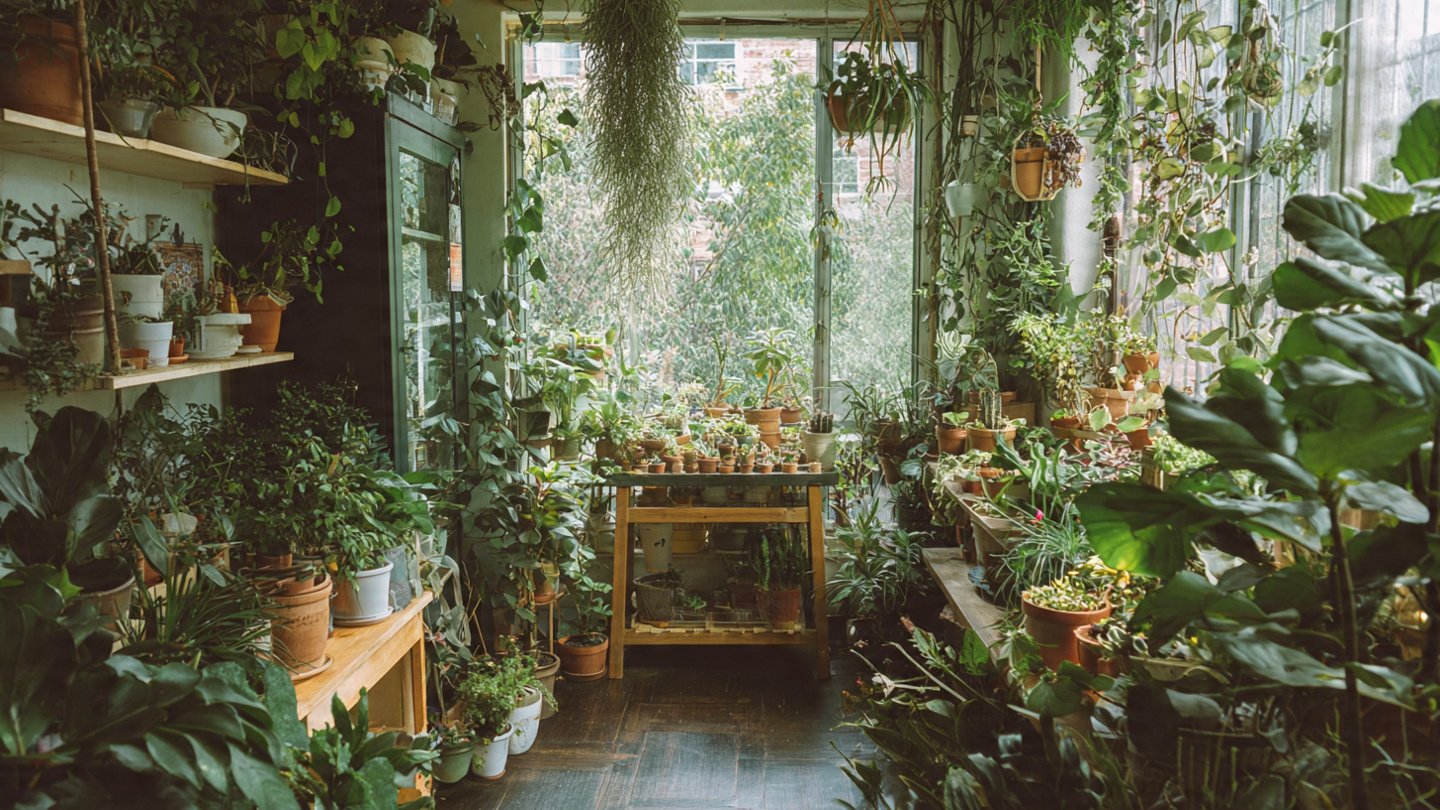
Creating an indoor garden is an enriching project that brings a touch of nature inside your home. Whether you’re an experienced botanist or a novice, an indoor garden can thrive in various settings. This guide will cover everything you need to know, from choosing the right plants to maintaining a vibrant indoor space.
Why Create an Indoor Garden?
Indoor gardens offer numerous benefits:
Latest Posts
- With Just 1 Bottle of Water How I Was Shocked by What Happened When Growing Vegetables
- Maximize Your Home Garden with the Hanging Pea Sprout Growing Model – Space-Saving, High-Yield, and Easy-to-Manage Vertical Gardening Solution
- Just Water – The Secret to Growing Plump, White Peanut Sprouts Right at Home: A Step-by-Step Guide for Beginners
- Growing Zucchini at Home in a Container: How to Cultivate Large, Long Fruits with a 1-to-72 Day Step-by-Step Diary for Maximum Yield
- Grow Long Beans on the Terrace in Used Recycling Baskets: The Ultimate Guide to Easy, Space-Saving, and High-Yield Terrace Gardening
- How to Grow Tons of Long Beans Easily Without a Garden – A Complete Guide to Growing Healthy Yardlong Beans Without Fertilizers or Pesticides
- Easy Long Bean Growing Trick – No Garden, No Fertilizer, No Pesticide
- Grow Bitter Melon in Bottles — Harvest So Big You Can’t Eat It All! The Ultimate Guide to Bottle Gardening for Maximum Yields
- Growing Garlic Made Easy: No Soil, Fast Results – The Ultimate Guide to Growing Fresh Garlic Indoors Without Traditional Soil
- Wall-Mounted Hydroponic Watermelon System: Grow Large, Juicy, and Delicious Watermelons at Home with Minimal Space and Maximum Yield
- Air Quality Improvement: Many houseplants absorb toxins and release oxygen, improving air quality.
- Stress Reduction: Being around plants has been shown to lower anxiety and enhance mood.
- Aesthetics: Indoor gardens add beauty and vitality to any room, creating a calming atmosphere.
- Eco-Friendly: An indoor garden can help you contribute to a healthier planet.
Choosing the Right Location
Lighting Conditions
The first step in creating your indoor garden is selecting the right location. Light is a crucial factor for plant growth. Here are some options based on lighting conditions:
-
Bright Indirect Light: Ideal for most houseplants, this setting is perfect for locations near a window that are not directly in the sun’s path.
-
Low Light: If your space lacks natural light, consider plants that thrive in low light conditions, such as snake plants or pothos.
-
Direct Sunlight: Succulents and cacti love bright, direct sunlight. Place them near a south-facing window for optimal growth.
Space Considerations
Assess the space available in your home:
-
Freestanding Units: If you have floor space, consider tall plant stands or shelves to maximize vertical space.
-
Tabletop Gardens: Small plants can thrive even on a coffee table or kitchen counter.
-
Wall Gardens: For limited space, vertical gardens can be a stylish solution, allowing you to hang plants on walls.
Selecting Plants for Your Indoor Garden
Types of Indoor Plants
When choosing plants, consider the conditions in your home and your level of commitment to maintenance. Here are some popular options:
-
Foliage Plants: Ferns, pothos, and spider plants are low-maintenance and can thrive in various light conditions.
-
Succulents: These drought-resistant plants are perfect for sunny spaces and require minimal watering.
-
Herbs: If you love cooking, consider growing herbs like basil, rosemary, and mint for fresh ingredients at your fingertips.
-
Flowering Plants: For bursts of color, try anthuriums or peace lilies; these can also improve indoor air quality.
Plant Pairing
Consider the aesthetics of your garden by pairing plants based on their features:
-
Height Variation: Mix tall, bushy plants with small, trailing ones for visual interest.
-
Color Coordination: Choose plants with contrasting leaf colors or textures to create a dynamic look.
-
Care Compatibility: Pair plants with similar care needs to simplify maintenance schedules.
Designing Your Indoor Garden Space
Containers and Soil
The right pot is essential for creating a healthy environment for your plants:
-
Material: Choose pots made from breathable materials, like terracotta, which help prevent root rot.
-
Drainage: Ensure pots have drainage holes to allow excess water to escape.
-
Soil: Use a high-quality potting mix. Consider specific blends for different plant types (e.g., cactus mix for succulents).
Arrangement Tips
How you arrange your plants can influence the overall aesthetic of your indoor garden:
-
Layering: Place taller plants in the back and shorter ones in the front for depth.
-
Grouping: Cluster plants in odd numbers for a natural look—three or five plants per grouping often works well.
-
Utilize Height: Use plant stands or hang plants to create varying levels and visual interest.
Maintenance of Your Indoor Garden
Watering
Over or under-watering is a common mistake:
-
Know Your Plants: Research the specific watering needs of your plants. Most houseplants prefer dry soil between waterings.
-
Watering Schedule: Set a regular schedule based on plant type—weekly, bi-weekly, or monthly.
Humidity
Humidity can vary greatly indoors:

-
Humidity Preferences: Some plants, like tropical ones, prefer higher humidity. To increase humidity, consider using a humidifier or placing a tray of water near your plants.
-
Misting: Regularly misting your plants can also help maintain humidity levels.
Fertilization
Feed your indoor garden to encourage growth:
-
Type of Fertilizer: Use a balanced, water-soluble fertilizer, especially during the growing season (spring and summer).
-
Frequency: Typically, plants should be fertilized once a month, but always follow specific guidelines for each plant species.
Pruning and Repotting
Regular maintenance keeps your plants healthy:
-
Pruning: Trim dead leaves and spent blooms to encourage new growth.
-
Repotting: As plants grow, they may need repotting into larger pots to continue thriving. This is usually needed every 1-2 years.
Troubleshooting Common Issues
Pests
Keeping an eye out for pests is vital:
-
Common Pests: Look for aphids, spider mites, and fungus gnats. Use neem oil or insecticidal soap for treatment.
-
Prevention: Ensure good air circulation and do not overwater to prevent pest infestations.
Plant Diseases
Diseases can affect your plants:
-
Overwatering: Root rot is a common issue that can be avoided by checking soil moisture before watering.
-
Fungal Issues: Fungal diseases can stem from excessive humidity. Ensure good ventilation.
Creating a Seasonal Indoor Garden
Adapting your indoor garden with the seasons can keep it vibrant:
-
Spring and Summer: Incorporate flowering plants and vibrant greens to celebrate growth.
-
Fall and Winter: Focus on evergreen plants and perhaps some seasonal décor to maintain a festive ambiance.
Enhancing Your Indoor Garden Aesthetic
Decor Elements
Enhance your indoor garden with decorative elements:
-
Lighting: Use grow lights for plants that require extra light, or simply add ambiance with stylish pendant lights.
-
Accessories: Consider decorative stones, moss, or themed pots to personalize your space further.
Integration with Home Design
Make your indoor garden part of your home:
-
Open Shelving: Display plants on open shelves or bookcases as part of your interior design.
-
Window Sills: Utilize natural light by placing plants on window sills where they can receive sunlight.
FAQs
Q: How often should I water my indoor plants?
A: The frequency depends on the plant species and environmental conditions. Generally, check the top inch of soil; if it’s dry, it’s time to water.
Q: Can I grow herbs indoors?
A: Yes! Herbs like basil, cilantro, and mint thrive indoors. Ensure they have enough light, preferably 6-8 hours a day.
Q: What are some low-maintenance plants for beginners?
A: Snake plants, pothos, and ZZ plants are excellent choices for beginners due to their resilience and low care requirements.
Q: How do I deal with pests on my indoor plants?
A: Regularly inspect your plants for pests. If you notice any, remove them by hand or treat with insecticidal soap or neem oil.
Q: Do indoor plants need fertilizer?
A: Yes, indoor plants benefit from regular feeding, especially during their growing season. Use a balanced fertilizer as directed for your plant type.
Q: How can I increase humidity for my indoor plants?
A: You can increase humidity by using a humidifier, grouping plants together, or placing trays of water near them to evaporate and create moisture in the air.
Creating a lush indoor garden space not only beautifies your home but also enhances your well-being. With careful selection and thoughtful arrangement, you can create a thriving indoor oasis that brings joy throughout the year. Happy gardening!