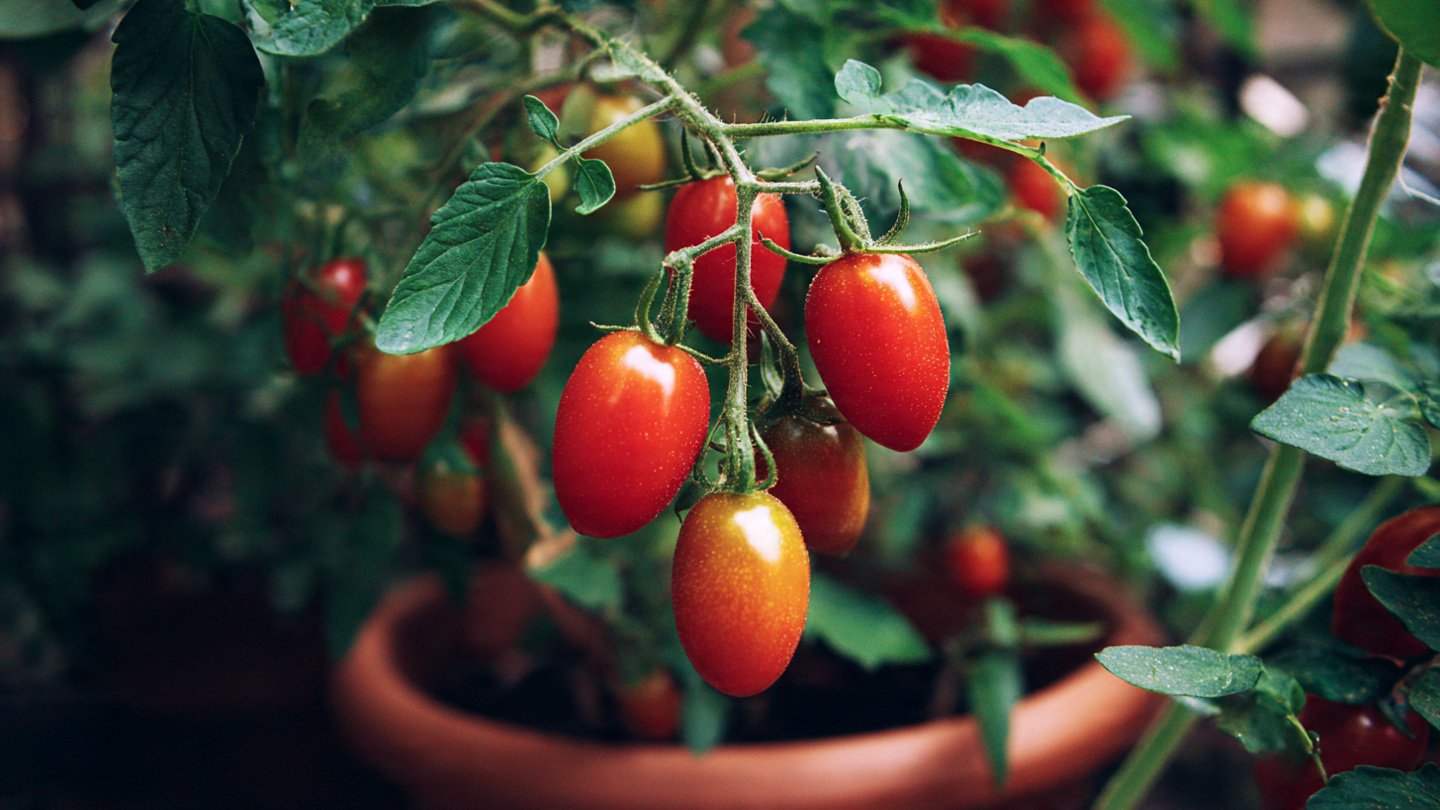
Growing Roma tomatoes in containers is an excellent option for both novice and experienced gardeners alike. Their rich flavor and versatility in dishes make them a sought-after variety, especially for sauces and pastes. If you’re limited on space, using containers allows you to cultivate these delicious fruits right on your balcony, patio, or backyard. This guide will walk you through everything you need to know—from selecting the right container to harvesting your ripe Roma tomatoes.
Understanding Roma Tomatoes
Before diving into the nitty-gritty of growing these tomatoes, it’s important to understand what makes Roma tomatoes special. Roma tomatoes, or plum tomatoes, are typically oval-shaped and have fewer seeds and thicker flesh than other varieties. These characteristics make them perfect for cooking and canning since they produce a richer, denser sauce.
Latest Posts
- With Just 1 Bottle of Water How I Was Shocked by What Happened When Growing Vegetables
- Maximize Your Home Garden with the Hanging Pea Sprout Growing Model – Space-Saving, High-Yield, and Easy-to-Manage Vertical Gardening Solution
- Just Water – The Secret to Growing Plump, White Peanut Sprouts Right at Home: A Step-by-Step Guide for Beginners
- Growing Zucchini at Home in a Container: How to Cultivate Large, Long Fruits with a 1-to-72 Day Step-by-Step Diary for Maximum Yield
- Grow Long Beans on the Terrace in Used Recycling Baskets: The Ultimate Guide to Easy, Space-Saving, and High-Yield Terrace Gardening
- How to Grow Tons of Long Beans Easily Without a Garden – A Complete Guide to Growing Healthy Yardlong Beans Without Fertilizers or Pesticides
- Easy Long Bean Growing Trick – No Garden, No Fertilizer, No Pesticide
- Grow Bitter Melon in Bottles — Harvest So Big You Can’t Eat It All! The Ultimate Guide to Bottle Gardening for Maximum Yields
- Growing Garlic Made Easy: No Soil, Fast Results – The Ultimate Guide to Growing Fresh Garlic Indoors Without Traditional Soil
- Wall-Mounted Hydroponic Watermelon System: Grow Large, Juicy, and Delicious Watermelons at Home with Minimal Space and Maximum Yield
Advantages of Growing in Containers
- Space Efficiency: Perfect for small spaces or urban settings.
- Mobility: Can be moved to take advantage of sunlight or shelter from harsh weather.
- Soil Control: You can customize the potting mix to meet the needs of your plants.
- Less Pests: Raised containers make it difficult for ground pests to access your tomatoes.
Choosing the Right Container
Size
For Roma tomatoes, a container of at least 5 gallons is recommended. Larger containers provide more soil and nutrients, allowing for a more fruitful harvest. The wider the pot, the better the aeration for the roots.
Material
Containers come in various materials, including plastic, terracotta, ceramic, and fabric. Each has its pros and cons. Plastic pots are lightweight and retain moisture, while clay and terracotta provide good aeration but can dry out quickly.
Drainage
Ensure your container has adequate drainage holes at the bottom to prevent waterlogged roots, which can lead to root rot. If you’re using a container without holes, consider adding a layer of rocks or gravel at the bottom.
Selecting the Right Soil
Choosing the right soil mix is vital for healthy growth. Look for a high-quality potting mix specifically designed for container gardening. These mixes usually contain a blend of peat moss, vermiculite, and perlite, offering good drainage, moisture retention, and aeration.
pH Level
Roma tomatoes prefer slightly acidic to neutral pH levels (around 6.0 to 6.8). You can test your soil with a pH kit to ensure it falls within this range.
Planting Your Roma Tomatoes
Timing
Timing is crucial when planting Roma tomatoes. They thrive in warm weather and should be planted outdoors after the last frost date in your area. If you’re starting seeds indoors, do so about 6-8 weeks before the last frost.
Seedlings vs. Seeds
You can either start with seeds or purchase young seedlings from your local nursery. If you opt for seeds, follow the instructions on the packet for planting depth and spacing.
Planting in Containers
- Fill the Container: Fill your container with potting soil, leaving about 1-2 inches at the top.
- Make a Hole: Dig a hole deep enough to accommodate the plant’s root ball.
- Place the Plant: Gently remove the plant from its original pot and place it in the hole.
- Cover with Soil: Fill in around the base with more potting soil, firming it gently to remove air pockets.
- Water: Immediately water thoroughly after planting.
Care and Maintenance
Now that your Roma tomatoes are planted, let’s discuss their care:
Watering
Roma tomatoes need consistent watering, especially in containers where soil dries out faster. Water deeply, allowing the top inch of soil to dry out between waterings. Aim for about 1 inch of water per week, adjusting for weather conditions.

Fertilizing
Fertilization is essential for healthy growth. Start with a balanced fertilizer when planting, then switch to a fertilizer high in phosphorus and potassium once flowers begin to appear. This will encourage fruit development. Follow the manufacturer’s instructions for application rates.
Pruning
Pruning helps improve airflow and reduce disease risk. Remove any suckers that grow in the joint between the main stem and branches. Though Roma tomatoes are typically determinate, some minimal pruning can encourage better air circulation and fruit development.
Supporting Your Plants
While Roma tomatoes are bushy and don’t grow as tall as indeterminate varieties, they still benefit from some form of support. Use stakes, cages, or trellises to keep plants upright and minimize damage from wind or heavy fruit.
Pest and Disease Management
Keep an eye out for common pests such as aphids, spider mites, and whiteflies. You can remove pests manually or use organic insecticidal soap as an intervention.
Look for signs of diseases like blight or blossom end rot. Ensure proper spacing for airflow, and avoid overhead watering to minimize these risks.
Harvesting Your Roma Tomatoes
When your Roma tomatoes are plump, firm, and have turned a rich red color, it’s time to harvest! Use garden shears to cut the fruit from the vine, taking care not to damage the plant.
Storage
Roma tomatoes are best used fresh, but you can store them at room temperature for a few days. For longer preservation, consider canning or freezing them.
FAQs
1. Can Roma tomatoes be grown in smaller containers?
While it’s possible to grow them in smaller containers (like 3 gallons), it’s not ideal as smaller containers can limit root growth and nutrient supply. Aim for at least 5 gallons for best results.
2. How often should I water my Roma tomatoes?
Watering depends on weather conditions and potting mix. Generally, aim for about 1 inch of water per week, allowing the top inch of soil to dry out between waterings.
3. Should I use a special fertilizer?
Yes, start with a balanced fertilizer at planting time and then switch to a high-phosphorus fertilizer once flowers appear. This will promote healthy fruiting.
4. Are Roma tomatoes disease-resistant?
Roma tomatoes have some disease resistance but are still susceptible to common tomato diseases. Proper spacing, watering, and airflow can help minimize risks.
5. Do I need to prune my Roma tomatoes?
While they require less pruning than indeterminate varieties, you can still prune to improve air circulation and health.
6. Can I grow Roma tomatoes indoors?
Yes, you can! Ensure they get plenty of sunlight (ideally 10-12 hours per day) and keep the indoor environment warm (around 70-75°F during the day).
7. What should I do if my tomatoes are not ripening?
If your Roma tomatoes are not ripening, ensure they are getting enough sunlight. You can also pick them when they turn a light shade of red and allow them to ripen indoors.
8. How long does it take for Roma tomatoes to mature?
Roma tomatoes typically take about 70-90 days to mature from transplanting, but this can vary based on growing conditions.
By following these steps and tips, you’ll be well-equipped to successfully grow Roma tomatoes in containers. Happy gardening, and enjoy the delicious fruits of your labor!