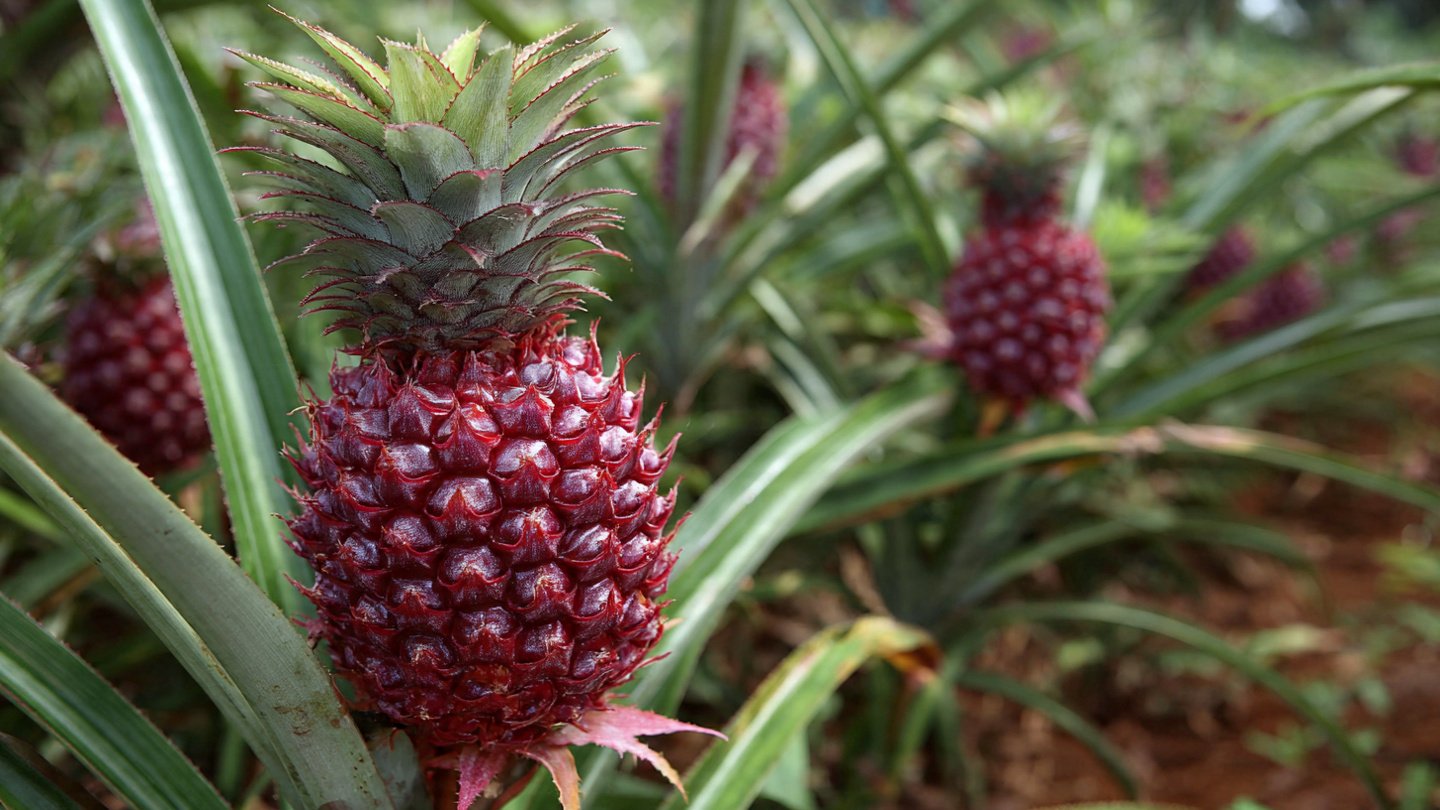
Pineapples are not just a tropical delight; they are a fascinating marvel of agricultural achievement. Their journey from planting to harvesting is a process steeped in patience, care, and unique cultivation methods that have been refined over the centuries. In this article, we’ll explore every aspect of growing pineapples, from the ideal conditions for planting to the harvesting techniques used to gather this delectable fruit.
Understanding Pineapple: A Brief Overview
The pineapple (Ananas comosus) belongs to the bromeliad family and is native to South America. It is a perennial plant that can grow in various climates but thrives in warm, tropical conditions. A single pineapple plant can produce only one fruit per cycle, which typically takes about 18–24 months from planting to harvest.
Latest Posts
- With Just 1 Bottle of Water How I Was Shocked by What Happened When Growing Vegetables
- Maximize Your Home Garden with the Hanging Pea Sprout Growing Model – Space-Saving, High-Yield, and Easy-to-Manage Vertical Gardening Solution
- Just Water – The Secret to Growing Plump, White Peanut Sprouts Right at Home: A Step-by-Step Guide for Beginners
- Growing Zucchini at Home in a Container: How to Cultivate Large, Long Fruits with a 1-to-72 Day Step-by-Step Diary for Maximum Yield
- Grow Long Beans on the Terrace in Used Recycling Baskets: The Ultimate Guide to Easy, Space-Saving, and High-Yield Terrace Gardening
- How to Grow Tons of Long Beans Easily Without a Garden – A Complete Guide to Growing Healthy Yardlong Beans Without Fertilizers or Pesticides
- Easy Long Bean Growing Trick – No Garden, No Fertilizer, No Pesticide
- Grow Bitter Melon in Bottles — Harvest So Big You Can’t Eat It All! The Ultimate Guide to Bottle Gardening for Maximum Yields
- Growing Garlic Made Easy: No Soil, Fast Results – The Ultimate Guide to Growing Fresh Garlic Indoors Without Traditional Soil
- Wall-Mounted Hydroponic Watermelon System: Grow Large, Juicy, and Delicious Watermelons at Home with Minimal Space and Maximum Yield
Ideal Growing Conditions
-
Climate: Pineapples require a warm climate with plenty of sunlight. The optimal temperature ranges between 65°F to 95°F (18°C to 35°C). They need a consistent climate to flourish, making tropical regions the perfect habitat.
-
Soil Type: Well-drained, sandy loam soils are ideal for pineapples. The soil should be rich in organic matter and have a pH level between 4.5 to 6.5. Good drainage is essential, as pineapple plants are susceptible to root rot.
-
Water Requirements: Pineapples are drought-tolerant but require adequate hydration during their early growth stages. Regular watering is crucial to ensure healthy growth, but overwatering should be avoided.
-
Sunlight: Full sunlight is essential for pineapple plants. They should receive approximately 6–8 hours of direct sunlight each day to grow optimally.
The Planting Process
Selecting the Right Planting Material
Pineapples can be propagated through various methods, including:

-
Crown Cutting: This involves cutting the crown from a mature pineapple. The crown is the leafy top part of the fruit. After cutting, the crown should be allowed to dry for a few days to prevent rot before planting.
-
Stem Cuttings: You can grow pineapples from the stem of the fruit. Similar to crown cutting, the stem should be dried before planting.
-
Suckers and Slips: Suckers are small shoots that develop between the leaves of the plant, while slips are shoots that grow from the flower stem. Both can be planted to produce new pineapple plants.
Planting Techniques
-
Preparation: Before planting, clear the area of weeds and debris. Loosen the soil and amend it with compost or organic matter to improve fertility.
-
Spacing: Pineapples should be spaced about 3 feet apart to allow for adequate airflow and sunlight penetration.
-
Depth: Plant the crown about 1–2 inches deep in the soil, ensuring that the leaves remain above the soil level.
-
Watering: After planting, water the crown generously to establish the roots but avoid creating puddles around the plant.
Growth Stages
Initial Growth (0-6 Months)
During the first six months, pineapple plants focus primarily on root development. The leaves will grow, forming a rosette shape, and establish a strong foundation for the fruit to develop.

Care Tips: Practice good weed management to reduce competition for nutrients and moisture. Monitor the moisture levels in the soil; a consistent but moderate watering schedule is ideal.
Vegetative Stage (6-12 Months)
As the plants mature, they enter the vegetative stage. During this time, the leaves will grow longer and thicker as they photosynthesize energy needed for fruit production.
Care Tips: Fertilize the plants with a balanced fertilizer every couple of months to encourage healthy leaf growth. Regularly check for pests like mealybugs or aphids, which can inhibit growth.
Flowering Stage (12-24 Months)
This is the most exciting phase in the pineapples’ journey. After about 12 to 18 months of growth, the plant will produce a flowering spike that emerges from the center of the rosette.
-
Inducing Flowering: Some farmers artificially induce flowering by applying ethylene gas, which speeds up the process and ensures all plants flower simultaneously.
-
Pollination: Pineapples are self-pollinating, and insects or wind typically help in this process. The flowers bloom, and after a few weeks, the fruit begins to form.
Fruit Development
After flowering, the fruit will take another 5 to 6 months to develop fully. The pineapple grows in size and changes in color as it matures.
Care Tips: Ensure it receives ample sunlight and continue with a light fertilizing schedule. Check for signs of pests; this is crucial as the fruit ripens.

Harvesting Pineapples
The final step in the pineapple’s journey is harvesting, which occurs roughly 18 to 24 months after planting. Here are the steps involved:
Identifying Maturity
The most reliable indicators that the pineapple is ready for harvesting are:
-
Color: The fruit’s exterior should turn from green to a golden-yellow hue.
-
Shape: Mature pineapples appear plump and round rather than elongated.
-
Aroma: A sweet, aromatic smell at the base of the fruit is another sign of ripeness.
-
Ease of Removal: A ripe pineapple will pull away easily from the plant with a gentle tug.
Harvesting Techniques
When harvesting:
-
Tools: Use a sharp knife or harvesting tool to cut the fruit from the plant. Avoid squeezing the fruit to prevent bruising.
-
Cutting Technique: Cut the fruit as close to the base as possible. Leave a small portion of the crown attached to the fruit for aesthetic purposes.
-
Handling: Handle the harvested pineapples with care to avoid damage. Place them in a cool, shaded area to prevent spoilage.

Post-Harvesting Care
After harvesting, pineapples should be cleaned and stored properly:
-
Cleaning: Remove any debris and dirt by rinsing the fruits gently.
-
Storage: Pineapples can be stored at room temperature for a few days. For longer storage, refrigerate them but avoid storing them near apples or bananas, which emit ethylene gas and can speed up spoilage.
-
Processing: Pineapples can be eaten fresh, juiced, or processed into products like jams and canned pineapple.
Health Benefits of Pineapples
-
Rich in Vitamins: Pineapples are a great source of Vitamin C, essential for immune health.
-
Digestive Aid: They contain bromelain, an enzyme that aids digestion and can reduce inflammation.
-
Boosts Immunity: Regular consumption can improve overall health and boost the immune system.

FAQs
Q1: How long does it take to grow a pineapple?
A: It typically takes 18 to 24 months from planting to harvesting a pineapple.
Q2: Can I grow a pineapple in a pot?
A: Yes, pineapples can be grown in pots, but ensure the container has good drainage and adequate sunlight.
Q3: How often should I water pineapple plants?
A: Water the plants regularly but allow the soil to dry out between waterings to prevent overwatering.
Q4: What pests commonly affect pineapple plants?
A: Common pests include mealybugs, aphids, and spider mites. Regular monitoring and organic pest control methods can help.
Q5: Can I grow pineapples in colder climates?
A: Pineapples thrive in warm climates, so growing them outdoors in colder areas may not be feasible. However, they can be grown indoors in pots if provided adequate warmth and light.
Q6: How should I prepare a crown for planting?
A: Cut the crown from a mature pineapple, let it dry for a few days to prevent rot, and then plant it.
In conclusion, the journey of growing pineapples from planting to harvesting is both fascinating and rewarding. With the right knowledge, conditions, and care, anyone can cultivate this tropical gem in their backyard or garden. Whether enjoyed fresh, juiced, or processed, pineapples are a splendid fruit that reflects the hard work and dedication of those who cultivate them. Happy gardening!