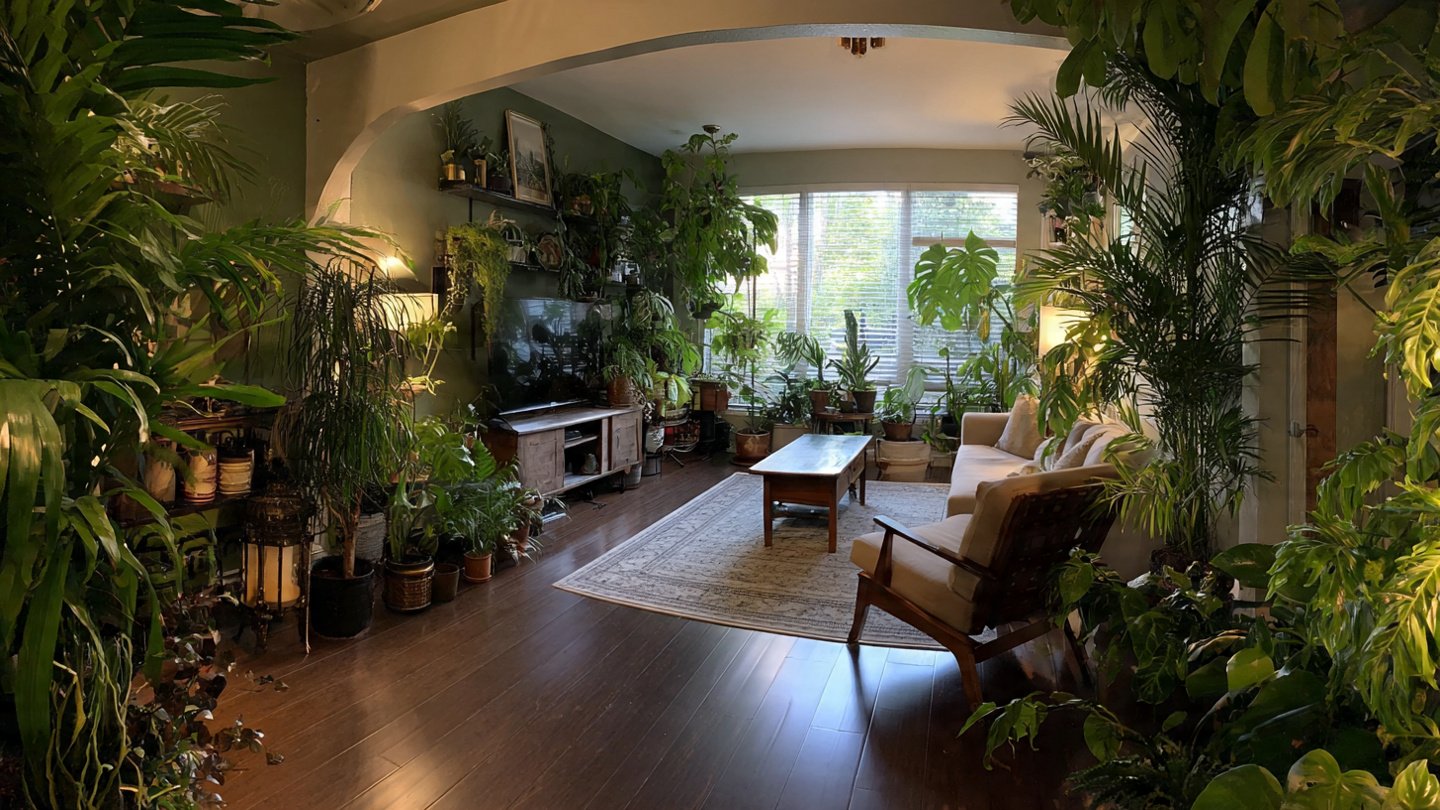
In a fast-paced world where urban living often means sacrificing nature for convenience, transforming your living space into a lush indoor garden oasis can serve as a sanctuary for both your mind and soul. Bringing greenery indoors isn’t just an aesthetic choice; it has numerous mental, physical, and emotional benefits. This article will guide you through the process of creating your indoor garden, from planning and plant selection to care and design tips, all while answering common questions to help you along the way.
The Benefits of Indoor Gardening
Before diving into how to create your indoor garden oasis, it’s essential to understand the various benefits this greenery can provide:
Latest Posts
- With Just 1 Bottle of Water How I Was Shocked by What Happened When Growing Vegetables
- Maximize Your Home Garden with the Hanging Pea Sprout Growing Model – Space-Saving, High-Yield, and Easy-to-Manage Vertical Gardening Solution
- Just Water – The Secret to Growing Plump, White Peanut Sprouts Right at Home: A Step-by-Step Guide for Beginners
- Growing Zucchini at Home in a Container: How to Cultivate Large, Long Fruits with a 1-to-72 Day Step-by-Step Diary for Maximum Yield
- Grow Long Beans on the Terrace in Used Recycling Baskets: The Ultimate Guide to Easy, Space-Saving, and High-Yield Terrace Gardening
- How to Grow Tons of Long Beans Easily Without a Garden – A Complete Guide to Growing Healthy Yardlong Beans Without Fertilizers or Pesticides
- Easy Long Bean Growing Trick – No Garden, No Fertilizer, No Pesticide
- Grow Bitter Melon in Bottles — Harvest So Big You Can’t Eat It All! The Ultimate Guide to Bottle Gardening for Maximum Yields
- Growing Garlic Made Easy: No Soil, Fast Results – The Ultimate Guide to Growing Fresh Garlic Indoors Without Traditional Soil
- Wall-Mounted Hydroponic Watermelon System: Grow Large, Juicy, and Delicious Watermelons at Home with Minimal Space and Maximum Yield
- Air Quality Improvement: Plants are natural air purifiers. They absorb carbon dioxide and release oxygen, helping reduce indoor pollutants.
- Stress Reduction: Numerous studies show that being around plants can lower stress levels and improve mood, making your living space a sanctuary of relaxation.
- Enhanced Creativity: A green environment stimulates creativity and productivity, making it a perfect addition to workspaces or study areas.
- Aesthetic Appeal: Indoor gardens enhance visual appeal, adding richness and vibrancy to your home decor.
- Connection to Nature: Bringing nature indoors can help counter feelings of isolation and urban detachment, fostering a sense of well-being.
Planning Your Indoor Garden
1. Assess Your Space
Before you rush out to buy plants, take some time to evaluate your living space. Consider the following:
- Light Source: Determine which areas of your home receive natural light and how much. South-facing windows generally offer the most light, while north-facing windows have less.
- Available Space: Decide how much space you can dedicate to your indoor garden. This could range from a few shelves of plants to a designated room or corner.
- Humidity Levels: Certain plants thrive in humid conditions, while others prefer drier air. Note the humidity levels in your home, especially in winter when heating can dry out the air.

2. Choose Your Plants
Once you’ve assessed your space, it’s time to select plants that will thrive in the conditions you’ve noted. Here are some options categorized by light requirements:
-
Low Light Plants:
- Snake Plant (Sansevieria): Hardy and requires very little water.
- ZZ Plant (Zamioculcas zamiifolia): Tolerates neglect and thrives in low light.
- Pothos (Epipremnum aureum): Versatile and easy to propagate, it can grow in a variety of light levels.
-
Medium Light Plants:
- Peace Lily (Spathiphyllum): Beautiful white blooms and great for improving air quality.
- Spider Plant (Chlorophytum comosum): Resilient and produces “babies” that can be propagated.
- Philodendron: Known for beautiful foliage, it’s easy to care for and can tolerate varying conditions.
-
Bright Light Plants:
- Fiddle Leaf Fig (Ficus lyrata): Popular for its large leaves, it prefers bright, indirect light.
- Succulents: Diverse family with many varieties, succulents thrive in bright light and require minimal watering.
- Herbs (like Basil and Rosemary): Great for kitchen windowsills, they benefit from ample sunlight and provide fresh ingredients for cooking.

3. Plan Your Layout
Think about incorporating varying heights, colors, and shapes to create a visually stimulating space. Here are some layout ideas:
- Shelves and Stands: Use multi-tiered plant stands or wall-mounted shelves to maximize vertical space.
- Hanging Planters: Perfect for trailing plants, hanging pots can add a nice touch without taking up floor space.
- Corner Gardens: Design a cozy corner nook with plants at various heights and textures to create a lush, inviting area.
Essential Tips for Care and Maintenance
1. Watering
Watering can be a tricky balance; over-watering is one of the most common causes of indoor plant failure.
- Frequency: Check the top inch of soil; if it’s dry, it’s time to water. Generally, most indoor plants don’t need watering more than once a week.
- Method: Water thoroughly until you see it draining from the pot’s bottom, ensuring the roots receive moisture.
2. Fertilization
Plants need nutrients to thrive, especially during their growing seasons:
- Type: Use a balanced, water-soluble fertilizer every 4-6 weeks during spring and summer when most plants actively grow.
- Application: Always follow package instructions to avoid over-fertilizing, which can damage your plants.

3. Pruning and Repotting
Regular maintenance helps keep your plants healthy:
- Pruning: Trim dead or yellowing leaves to encourage new growth.
- Repotting: If your plant outgrows its pot, consider repotting into a slightly larger container with fresh soil.
4. Pest Control
Indoor plants can be susceptible to pests:
- Preventive Measures: Regularly inspect your plants for signs of pests, and maintain adequate air circulation.
- Natural Remedies: For minor infestations, try using a mixture of water and soap or neem oil to help control pests without harsh chemicals.
Designing Your Indoor Oasis
Creating an inviting indoor garden isn’t just about choosing the right plants. Consider incorporating various elements to enhance the experience:
1. Textures and Materials
Use a mix of materials in your garden to create interest. Wooden pots, ceramic containers, and metal planters can all add different textures to your space.

2. Furniture Arrangement
Rearrange your furniture to create cozy nooks or pockets where you can relax among your plants. Position seating to face your garden, making it a focal point.
3. Lighting
Invest in grow lights if you lack natural sunlight, especially for plants that require bright light. String lights can also add ambiance, making your indoor garden feel magical when illuminated in the evening.
4. Accessories
Consider adding decorative items like garden statues, stones, or terrariums to enhance your indoor garden’s charm. Choose items that complement the natural beauty of the plants.
Creating a Routine
To ensure your garden flourishes, establish a routine:
- Daily Checks: Spend a few minutes each day looking over your plants and enjoying their beauty.
- Weekly Watering Schedule: Set aside a specific day each week for watering and inspecting your plants.
- Monthly Cleanup: Dust leaves, remove dead foliage, and check for infestations once a month.
FAQs
1. What types of plants are best for beginners?
Some great beginner-friendly plants include Snake Plants, Pothos, and Spider Plants. They are low-maintenance and can tolerate a range of conditions.

2. How can I keep my indoor garden pest-free?
Regularly inspect plants for signs of pests, maintain air circulation, and consider using natural pest control methods such as neem oil or soap solutions.
3. How often should I water my indoor plants?
Generally, most indoor plants need watering once a week. Check the top inch of soil; if it’s dry, it’s time to water.
4. Can I grow herbs indoors, and if so, which ones?
Yes! Many herbs thrive indoors, especially Basil, Rosemary, and Mint. They often prefer bright light, so a sunny windowsill is ideal.
5. Do indoor plants really improve air quality?
Yes, many indoor plants can help filter toxins and improve air quality by absorbing carbon dioxide and releasing oxygen.
6. How can I ensure my plants get enough light?
If natural light is limited, consider using grow lights, especially for light-loving plants. Positioning plants near windows also maximizes light exposure.
Conclusion
Transforming your living space into a lush indoor garden oasis is a rewarding endeavor that enhances both your home and mental well-being. By carefully selecting your plants, creating an aesthetically pleasing layout, and adopting a consistent care routine, you can cultivate a vibrant indoor haven. Remember, patience is key; your indoor garden will grow and evolve, just like you. Embrace this journey, and enjoy the myriad benefits of bringing nature inside!