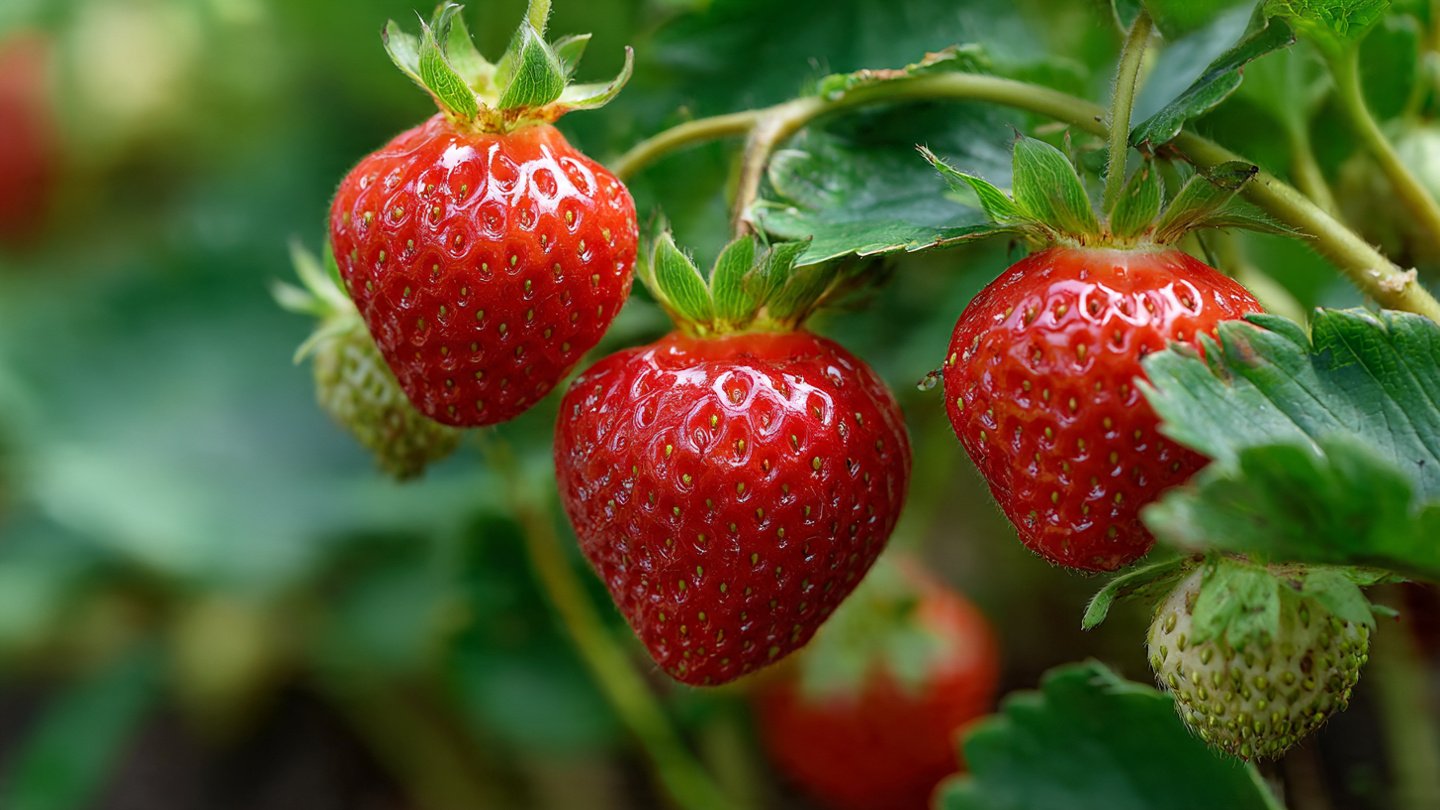
Strawberries are among the most beloved fruits, characterized by their vibrant red color, juicy flesh, and sweet flavor. Cultivating strawberries in your home garden provides not only a rewarding hobby but also a delicious bounty during the summer months. This comprehensive guide aims to equip home gardeners with the knowledge and techniques necessary for successful strawberry cultivation.
Choosing the Right Strawberry Varieties
Types of Strawberries
Latest Posts
- With Just 1 Bottle of Water How I Was Shocked by What Happened When Growing Vegetables
- Maximize Your Home Garden with the Hanging Pea Sprout Growing Model – Space-Saving, High-Yield, and Easy-to-Manage Vertical Gardening Solution
- Just Water – The Secret to Growing Plump, White Peanut Sprouts Right at Home: A Step-by-Step Guide for Beginners
- Growing Zucchini at Home in a Container: How to Cultivate Large, Long Fruits with a 1-to-72 Day Step-by-Step Diary for Maximum Yield
- Grow Long Beans on the Terrace in Used Recycling Baskets: The Ultimate Guide to Easy, Space-Saving, and High-Yield Terrace Gardening
- How to Grow Tons of Long Beans Easily Without a Garden – A Complete Guide to Growing Healthy Yardlong Beans Without Fertilizers or Pesticides
- Easy Long Bean Growing Trick – No Garden, No Fertilizer, No Pesticide
- Grow Bitter Melon in Bottles — Harvest So Big You Can’t Eat It All! The Ultimate Guide to Bottle Gardening for Maximum Yields
- Growing Garlic Made Easy: No Soil, Fast Results – The Ultimate Guide to Growing Fresh Garlic Indoors Without Traditional Soil
- Wall-Mounted Hydroponic Watermelon System: Grow Large, Juicy, and Delicious Watermelons at Home with Minimal Space and Maximum Yield
Before planting, it’s essential to understand the various types of strawberries available:
-
June-bearing: These varieties produce a single, large crop in late spring or early summer. They typically yield the highest fruit quantity and are ideal for canning and preserving.
-
Ever-bearing: These varieties produce two or more harvests per year, typically in early summer and again in late summer or fall. They offer steady yields throughout the season but lower overall production compared to June-bearing types.
-
Day-neutral: These varieties produce fruit continuously throughout the growing season, regardless of day length. They are an excellent choice for gardeners seeking a steady strawberry supply.
Selecting the Best Varieties for Your Region
Your regional climate significantly impacts strawberry growing success. Popular varieties include:
-
‘Chandler’: Known for its high yield and sweet fruit; ideal for warmer climates.
-
‘Earliglow’: A June-bearing variety that is disease resistant and offers excellent flavor; best suited for northern climates.
-
‘Seascape’: A highly adaptable day-neutral variety that performs well in various conditions.
Consult local gardening centers or extension services to find the best varieties for your specific area.
Soil Preparation
Soil Testing
Before planting, conduct a soil test to determine pH and nutrient levels. Strawberries prefer well-drained, sandy loam soil with a pH between 5.5 and 6.8. Amend your soil based on the testing results, using lime to raise pH or sulfur to lower it.
Soil Amendments
To improve soil quality and fertility:
-
Organic Matter: Mix in compost or well-rotted manure to enhance soil structure and nutrient content.
-
Fertilization: Use a balanced fertilizer (10-10-10) before planting and apply organic fertilizers such as fish emulsion or bone meal as needed.
Bed Preparation
Create raised beds to ensure proper drainage and prevent waterlogging. Raised beds also warm up faster in spring, promoting earlier growth. Beds should be approximately 12-18 inches high and 3-4 feet wide.

Planting Strawberries
Timing
The ideal time for planting strawberries is early spring, once the soil has thawed and is workable. In warmer regions, fall planting is also an option.
Planting Techniques
-
Spacing: Space June-bearing varieties 18-24 inches apart in rows, while day-neutral and ever-bearing varieties can be closer together at 12-18 inches to maximize yields.
-
Depth: When planting, ensure that the crown (the area where the roots meet the stem) is at soil level. Planting too deep can lead to rot, while planting too shallow may expose roots.
Watering
After planting, water thoroughly to establish roots. Strawberries need about 1-1.5 inches of water per week during the growing season, with consistent moisture being crucial, especially after flowering.
Maintaining Your Strawberry Plants
Weed Control
Weeds compete for nutrients and water, so it’s essential to control them. Use mulch, such as straw or wood chips, to suppress weeds while retaining moisture. Hand-pulling weeds or using a hoe is also effective, but be careful not to disturb the strawberry roots.
Fertilization
In early spring, apply a balanced fertilizer to encourage growth, and follow up with another application after the first harvest. Always follow package instructions for amounts.
Pest and Disease Management
Strawberries can be susceptible to pests and diseases, including:
-
Pests: Aphids, spider mites, and slugs. Use insecticidal soap or organic methods like neem oil to control infestations.
-
Diseases: Fungal diseases, such as powdery mildew and root rot. Ensure good air circulation, avoid overhead watering, and apply organic fungicides if necessary.
Regular monitoring and prompt action will help keep your plants healthy.
Harvesting Strawberries
Timing
Strawberries are typically ready for harvest when they have turned a deep, vibrant red color. Gently pull the fruit to check for sweetness; ripe strawberries should come away easily.
Harvesting Techniques
Use scissors or your fingers to snip the stem just above the green cap. Avoid pulling the fruit, as this can damage the plant.
Frequency
For June-bearing varieties, expect a concentrated harvest for a couple of weeks, while day-neutral and ever-bearing varieties may allow for picking every few days throughout the growing season.
Post-Harvest Care
Cleaning and Storing
Handle strawberries carefully to avoid bruising. Rinse gently in cold water and allow them to air dry. Store in the refrigerator for up to one week. For longer storage, consider freezing or making jams and preserves.
Managing Plants Post-Harvest
After harvesting, remove any dead or diseased foliage and consider applying a layer of straw mulch to protect the plants over winter. Fertilize lightly to encourage healthy growth for the following season.
Preparing for the Next Growing Season
Renovation of June-Bearing Varieties
After harvesting, renovate your June-bearing strawberry plants to prepare for the next season. This includes mowing the plants back to about 4-6 inches, thinning them out, and applying fertilizer.
Overwintering
In colder climates, protect strawberry plants during winter with a layer of mulch, straw, or fabric row covers. This insulation helps prevent freezing and thawing cycles that can damage roots.
FAQs
Q1: How long do strawberry plants live?
A: Strawberry plants typically produce well for three to four years. It’s best to replant after this period to ensure consistent fruiting.
Q2: Can I grow strawberries in containers?
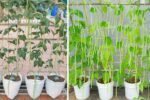
A: Yes, strawberries grow well in containers. Choose a large pot with drainage holes and fill it with quality potting mix. Day-neutral varieties are particularly suitable for container gardening.
Q3: Why are my strawberries not producing fruit?
A: Lack of fruit could be due to several factors, including insufficient sunlight, inadequate watering, poor soil conditions, or improper pruning.
Q4: How do I increase strawberry yields?
A: Increasing yields can be achieved by selecting high-yield varieties, ensuring proper spacing, providing adequate water and nutrients, and maintaining good pest and disease control.
Q5: When is the best time to prune strawberry plants?
A: Prune strawberry plants after harvesting in late summer to early fall. This process helps to rejuvenate the plants for the following season.
Q6: Are strawberries perennials or annuals?
A: Strawberries are perennial plants, meaning they can produce fruit for multiple seasons, typically three to four years.
Q7: What should I do if my strawberries have pests?
A: Regularly inspect your plants and use insecticidal soap or organic pesticides as necessary to control pest infestations. Encourage natural predators like ladybugs for further pest management.
By adhering to the techniques and guidance outlined in this article, you can cultivate your strawberry patch successfully, yielding fresh and delicious strawberries right from your garden. Happy gardening!