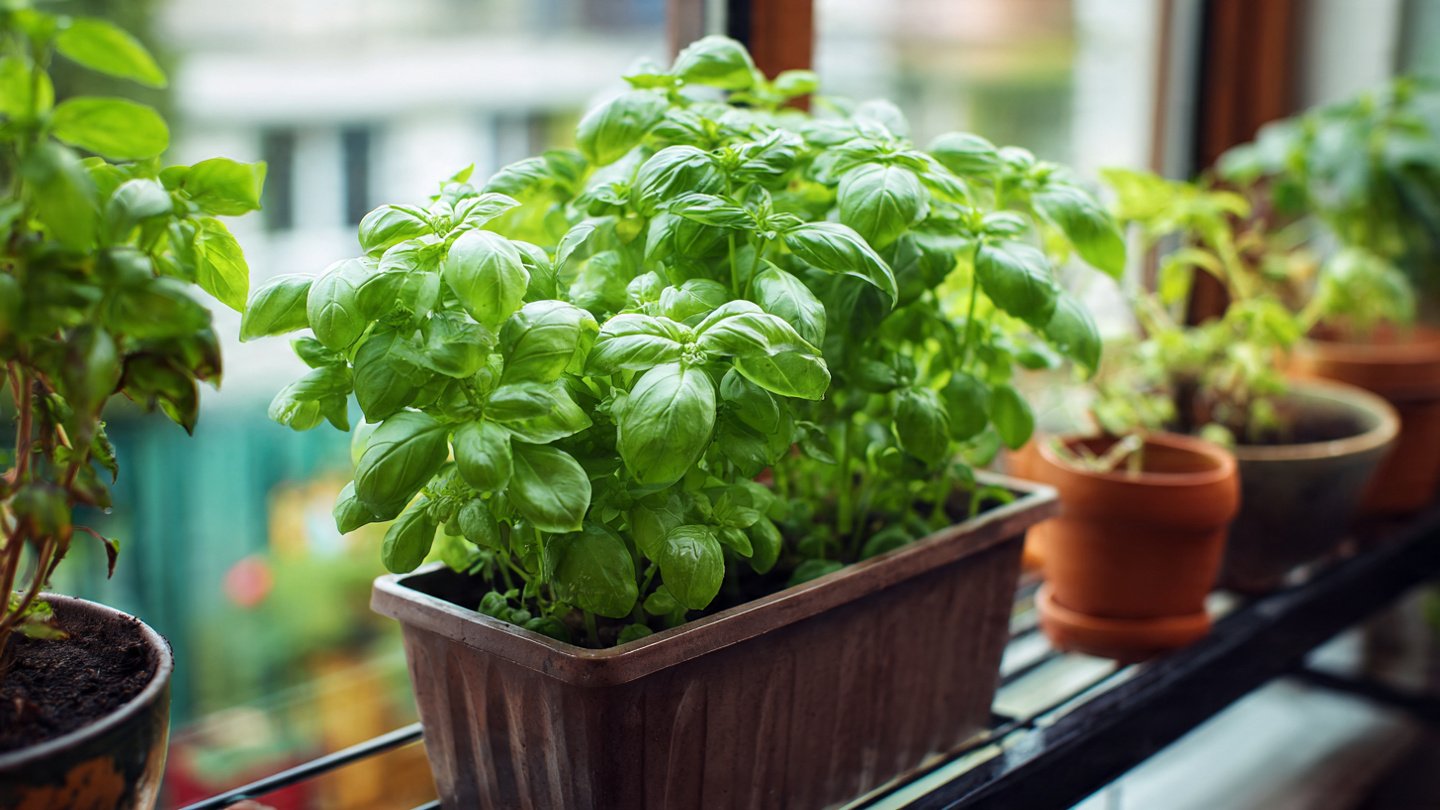
In an age where urban living is increasingly common, many find themselves confined to small apartments or homes with limited outdoor space. However, you don’t need a sprawling garden to enjoy the benefits of fresh herbs and vegetables. With a bit of creativity and proper planning, you can cultivate your own mini-garden right at home. This article will guide you through the essentials of growing your own fresh herbs and vegetables in small spaces, providing tips and tricks, as well as addressing frequently asked questions.
The Benefits of Growing Your Own Food
1. Freshness and Flavor
Latest Posts
- With Just 1 Bottle of Water How I Was Shocked by What Happened When Growing Vegetables
- Maximize Your Home Garden with the Hanging Pea Sprout Growing Model – Space-Saving, High-Yield, and Easy-to-Manage Vertical Gardening Solution
- Just Water – The Secret to Growing Plump, White Peanut Sprouts Right at Home: A Step-by-Step Guide for Beginners
- Growing Zucchini at Home in a Container: How to Cultivate Large, Long Fruits with a 1-to-72 Day Step-by-Step Diary for Maximum Yield
- Grow Long Beans on the Terrace in Used Recycling Baskets: The Ultimate Guide to Easy, Space-Saving, and High-Yield Terrace Gardening
- How to Grow Tons of Long Beans Easily Without a Garden – A Complete Guide to Growing Healthy Yardlong Beans Without Fertilizers or Pesticides
- Easy Long Bean Growing Trick – No Garden, No Fertilizer, No Pesticide
- Grow Bitter Melon in Bottles — Harvest So Big You Can’t Eat It All! The Ultimate Guide to Bottle Gardening for Maximum Yields
- Growing Garlic Made Easy: No Soil, Fast Results – The Ultimate Guide to Growing Fresh Garlic Indoors Without Traditional Soil
- Wall-Mounted Hydroponic Watermelon System: Grow Large, Juicy, and Delicious Watermelons at Home with Minimal Space and Maximum Yield
Growing your own herbs and vegetables means you can enjoy the freshest produce imaginable. Home-grown food often tastes better than store-bought, as it can be harvested at peak ripeness, packed with flavor and nutrients.
2. Cost-Effective
While there is an initial investment in seeds and soil, growing your own food can save you money in the long run. A small pot of herbs can provide a supply that might cost several dollars in the store, and vegetables yield a bounty that can reduce grocery bills.
3. Healthier Options
By growing your own food, you can control what goes into it. You can avoid pesticides and choose organic practices, leading to healthier meals for you and your family.
4. Stress Relief and Satisfaction
Gardening can also be therapeutic. Tending to plants and watching them grow can provide a sense of accomplishment and reduce stress levels.
Getting Started: Understanding Your Space
Determining how to best utilize your available space is the foundation of successful gardening in small areas. Here are a few popular options:
1. Windowsills
For many urban dwellers, windowsills provide the perfect spot for herb gardens. The direct sunlight helps plants thrive, and you can easily harvest leaves for your meals.
2. Balconies and Patios

If you have a balcony, you can create a small garden with various pots, containers, or vertical garden systems. Think about using balcony railings to maximize your planting space.
3. Indoor Grow Tents and Hydroponics
For those with no access to outdoor spaces, indoor grow tents and hydroponic systems can mimic outdoor conditions, allowing you to cultivate herbs and vegetables throughout the year.
4. Community Gardens
If you can’t grow plants at home, consider joining a community garden. These shared spaces allow local residents to cultivate plants, share knowledge, and enjoy the fruits of their labor.
Choosing the Right Herbs and Vegetables
When selecting what to plant, consider your space, climate, and culinary preferences. Here are some great options for small-space gardening:
Herbs
-
Basil: Thrives in sunny spots and grows well in containers. Perfect for Italian dishes.
-
Parsley: A versatile herb that can grow indoors or outdoors, needing only moderate sunlight.
-
Thyme: Requires little care and can be harvested throughout the year.
-
Mint: Grows vigorously in pots, making it great for teas and desserts.
-
Chives: Easy to grow and maintain, they add a mild onion flavor to various dishes.

Vegetables
-
Lettuce: Grows quickly and can yield multiple harvests from a single planting.
-
Radishes: Fast-growing and can be planted in small containers or even small patch gardens.
-
Cherry Tomatoes: Ideal for small spaces; choose dwarf varieties for easier management.
-
Green Beans: Climbing varieties can quickly cover vertical space, flourishing in pots.
-
Peppers: Compact varieties of peppers can thrive in containers, providing colorful and spicy additions to meals.
Tips for Plant Selection
-
Choose Dwarf Varieties: Look for dwarf or compact versions of larger plants to maximize space.
-
Consider Growth Habit: Indeterminate or trailing plants can be more suitable for small spaces, as they can grow upwards rather than outwards.
-
Seasonality: Be mindful of planting seasons based on your local climate to ensure successful growth.
Soil and Fertilization
The right soil and fertilization are crucial for healthy plants.

1. Potting Soil
Choose high-quality potting soil formulated for container gardening. This will often contain a mix of organic material, nutrients, and good drainage properties.
2. Fertilization
Fertilize during the growing season using organic options such as compost or commercially available fertilizers. Follow the recommendations on the packaging, as over-fertilization can harm plants.
3. Drainage
Ensure your containers have drainage holes to prevent waterlogging, which can lead to root rot. Consider adding small rocks or gravel at the bottom of pots for extra drainage.
Watering and Light Requirements
1. Watering
Regular, consistent watering is vital. The soil should be kept moist but not soggy. Pay attention to the specific needs of each plant, as some may prefer drier or wetter conditions.
2. Light
Most herbs and vegetables require at least 6-8 hours of sunlight a day. Place your plants in the sunniest spots in your home or consider supplemental grow lights for indoor gardening.
Pest Management and Diseases
Even in small spaces, plants can be susceptible to pests and diseases. Here are some organic methods to manage these issues:
1. Companion Planting
Planting certain plants together can naturally fend off pests. For instance, marigolds are excellent companion plants for vegetables, as they repel nematodes and other harmful insects.
2. Neem Oil

This organic pesticide is derived from neem trees and can be effective against many common pests. Spray it on affected plants to control infestations.
3. Regular Monitoring
Keep a close eye on your plants, looking for signs of stress or pests. Early intervention can save your plants from significant damage.
Harvesting and Storing Your Crops
After all the hard work, harvesting is one of the most rewarding parts of growing your own food.
1. Harvesting Herbs
For herbs, regularly snip off the leaves or stems to encourage bushier growth. Avoid taking too much at once, as this can stunt the plant’s growth.
2. Harvesting Vegetables
For vegetables, wait until they are ripe but not overripe. Different vegetables have different signs of readiness, so educate yourself on what to look for.
3. Storing Your Produce
Fresh herbs can be stored in the refrigerator wrapped in a damp paper towel or placed in water like cut flowers. Vegetables like tomatoes should be stored at room temperature away from sun exposure, while greens can be kept in the fridge in airtight containers.
Frequently Asked Questions (FAQs)
1. Can I grow vegetables indoors?
Absolutely! Many vegetables can be grown indoors, especially if you have good light conditions and the right containers. Look into grow lights to help if natural light is limited.
2. How much sunlight do herbs need?
Most herbs require 6-8 hours of sunlight per day. If you have limited sunlight, consider using supplemental grow lights.

3. What size containers should I use?
Container size can vary based on the plant type. Herbs can generally do well in smaller pots (6-10 inches), while vegetables like tomatoes may need larger containers (5 gallons or more) to accommodate root growth.
4. How often should I water my plants?
Watering frequency can depend on various factors like plant type, container size, and environmental conditions. Check the soil moisture regularly; if it’s dry an inch down, it’s time to water.
5. What should I do if my plants attract pests?
Monitor your plants regularly and take action quickly if you notice pests. Consider using organic solutions like neem oil or trap plants to control infestations.
6. Can I grow herbs and vegetables together?
Yes, many herbs and vegetables can be grown together. Just ensure they have similar water and light requirements for optimal growth.
7. What’s the best time to plant?
Timing can depend on your local climate. Generally, early spring is a great time to start planting vegetables outdoors, while herbs can often be planted earlier indoors.
Conclusion
Cultivating your own fresh herbs and vegetables in small spaces is not only rewarding, but it also enhances your culinary experiences and contributes to a healthier lifestyle. With the right tools and knowledge, even the tiniest apartment can become a bountiful garden. Get started today, and enjoy the satisfaction of harvesting your own home-grown goodness!
Happy gardening!