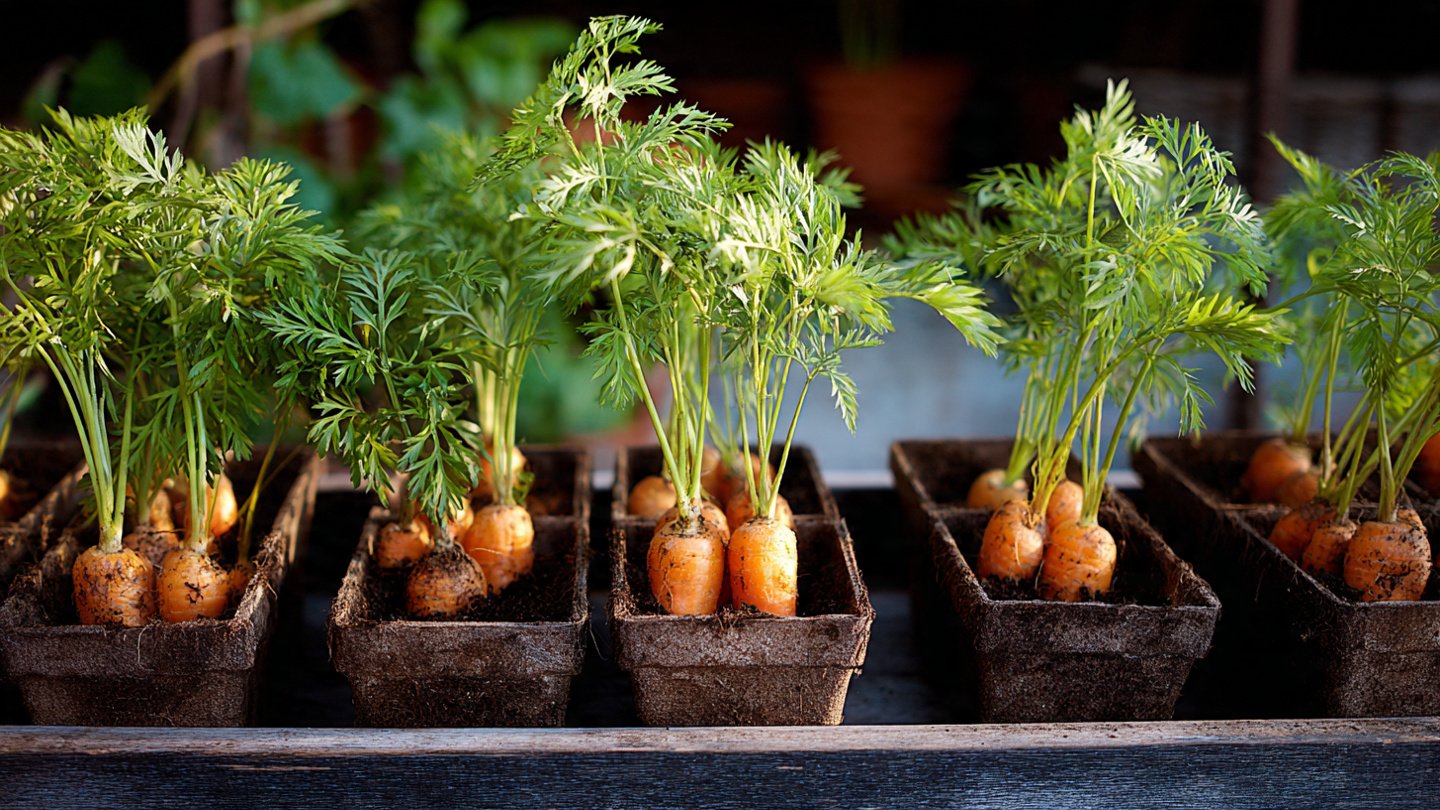
Growing carrots in containers is an ideal choice for urban gardeners, balcony enthusiasts, or anyone with limited space. This method allows you to enjoy fresh, homegrown carrots without the need for a dedicated garden plot. Whether you’re a novice or a seasoned gardener, following specific guidelines can help you produce a bountiful crop. Here are the best tips for growing carrots in containers effectively.
1. Choosing the Right Container
The first step in successful carrot cultivation is selecting the appropriate container. Carrots have long taproots that require depth; therefore, a container should be at least 12-18 inches deep. It’s also essential to ensure proper drainage. Look for pots with drainage holes at the bottom. Materials like plastic, clay, or wood can work well; however, make sure they are food safe if you plan to grow edible crops.
2. Selecting the Right Soil
Carrots thrive in loose, sandy, and well-drained soil. Heavy or compacted soil can hinder root growth, leading to deformed carrots. A good soil mix for carrots can be achieved using the following components:
- Potting Mix: Use a high-quality potting mix as it is lighter and drains better than garden soil.
- Sand: Adding coarse sand enhances drainage and helps prevent compaction.
- Organic Matter: Incorporate compost or well-rotted manure to provide nutrients and improve soil structure.
Having the right soil will allow carrots to grow deeper and healthier, resulting in a better harvest.

3. Choosing the Right Variety
When growing carrots in containers, selecting the right variety is crucial. Some carrot types are better suited for container gardening than others. Here are a few popular short or round varieties that perform well in pots:
Latest Posts
- With Just 1 Bottle of Water How I Was Shocked by What Happened When Growing Vegetables
- Maximize Your Home Garden with the Hanging Pea Sprout Growing Model – Space-Saving, High-Yield, and Easy-to-Manage Vertical Gardening Solution
- Just Water – The Secret to Growing Plump, White Peanut Sprouts Right at Home: A Step-by-Step Guide for Beginners
- Growing Zucchini at Home in a Container: How to Cultivate Large, Long Fruits with a 1-to-72 Day Step-by-Step Diary for Maximum Yield
- Grow Long Beans on the Terrace in Used Recycling Baskets: The Ultimate Guide to Easy, Space-Saving, and High-Yield Terrace Gardening
- How to Grow Tons of Long Beans Easily Without a Garden – A Complete Guide to Growing Healthy Yardlong Beans Without Fertilizers or Pesticides
- Easy Long Bean Growing Trick – No Garden, No Fertilizer, No Pesticide
- Grow Bitter Melon in Bottles — Harvest So Big You Can’t Eat It All! The Ultimate Guide to Bottle Gardening for Maximum Yields
- Growing Garlic Made Easy: No Soil, Fast Results – The Ultimate Guide to Growing Fresh Garlic Indoors Without Traditional Soil
- Wall-Mounted Hydroponic Watermelon System: Grow Large, Juicy, and Delicious Watermelons at Home with Minimal Space and Maximum Yield
- Nantes: These are medium-sized, sweet, and tender carrots that grow well in containers.
- Thumbelina: As a miniature variety, Thumbelina is perfect for limited space and can grow in shallow containers.
- Parisian: Round carrots like Parisian are great for compact spaces and are fun to harvest.
Always check the seed packet for specifics on space and size requirements.
4. Planting Instructions
Timing: Carrots can be sown in early spring or late summer for a fall crop. They prefer cooler weather, so avoid planting them during the hottest months.
Sowing: Follow these steps when planting:

- Prepare the Soil: Fill the container with the potting mix and level it.
- Sow Seeds: Scatter the seeds thinly on the soil surface. Ideally, space them about 2 inches apart.
- Cover Seeds: Lightly cover the seeds with 1/4 inch of soil. Be careful not to overpack the soil, as carrots prefer a loose texture for growth.
- Water: Gently water the container to moisten the soil without creating puddles.
5. Watering Strategies
Consistent watering is essential for growing carrots, especially in containers, where soil dries out more quickly than in-ground gardens. Here are some watering tips:
- Frequency: Water the container regularly to keep the soil consistently moist but not soggy. Watering every few days may be necessary, especially in dry conditions.
- Method: Use a watering can or a gentle hose attachment to water the surface without disturbing the seeds.
- Mulching: Adding a layer of organic mulch can help retain moisture and suppress weeds.
6. Fertilizing Carrots
Carrots are generally low-maintenance regarding nutrients but may benefit from fertilization under certain conditions. Use a balanced, slow-release fertilizer at planting time or a liquid fertilizer every few weeks. Avoid high-nitrogen fertilizers, as these can lead to leaf growth at the expense of root development.
7. Thinning Seedlings
After your carrot seeds germinate, you will notice many seedlings sprouting. It’s crucial to thin these seedlings to ensure healthy growth.
- Timing: Once the seedlings are about 2-3 inches tall.
- Method: Thin the seedlings to about 2-4 inches apart, snipping unwanted ones at the soil level rather than pulling them to avoid disturbing the roots of the remaining plants.
8. Pest and Disease Management
Carrots can be susceptible to pests like aphids, carrot flies, and rust diseases. Here’s how to manage these issues:

- Physical Barriers: Use row covers to protect young plants from pests.
- Companion Planting: Planting herbs like dill or marigolds nearby can deter pests naturally.
- Regular Inspection: Check your plants frequently for any signs of disease or infestation and address them promptly.
9. Harvesting Carrots
One of the most rewarding steps of growing carrots is harvesting them. The timing for harvesting depends on the variety, but in general, you can begin harvesting when the roots are about 1/2 to 1 inch in diameter.
- Timing: Most carrot varieties take 70 to 80 days to mature, but check the specific variety you have planted.
- Method: Gently loosen the soil around the carrot with a fork. Grasp the tops and pull firmly but carefully to avoid breaking the root.
10. Storing Your Harvest
After harvesting, store your carrots properly to maintain freshness.
- Cleaning: Gently remove excess soil but do not wash them until you are ready to use them.
- Storage: Keep them in a cool, dark place, or store them in the refrigerator in a plastic bag or container to prolong shelf life.
FAQs
Q1: Can I grow carrots year-round in containers?
A: Yes, in mild climates, you can grow carrots in containers year-round. Cold frames can also extend the growing season in cooler areas.
Q2: Do I need a special type of container for growing carrots?
A: A deep container (at least 12 inches) with good drainage is essential for growing carrots. Terracotta, plastic pots, or even fabric grow bags will work well.

Q3: How often should I water my carrot container?
A: Water your container regularly to keep the soil consistently moist but not soggy. Monitor the moisture level, especially during hot weather.
Q4: What should I do if my carrots are growing deformed?
A: Deformed carrots are often caused by compacted soil or overcrowding. Ensure your soil is loose and follow proper thinning techniques.
Q5: Can I grow carrots alongside other plants in the same container?
A: While it’s possible, be mindful of companions that do not compete for nutrients. Other low-growing veggies like radishes or lettuce can be good companions.
In conclusion, growing carrots in containers can be a rewarding experience if you adhere to the proper techniques. By choosing the right container, soil, variety, and maintenance practices, you can enjoy fresh, homegrown carrots with minimal space requirements. Happy gardening!
