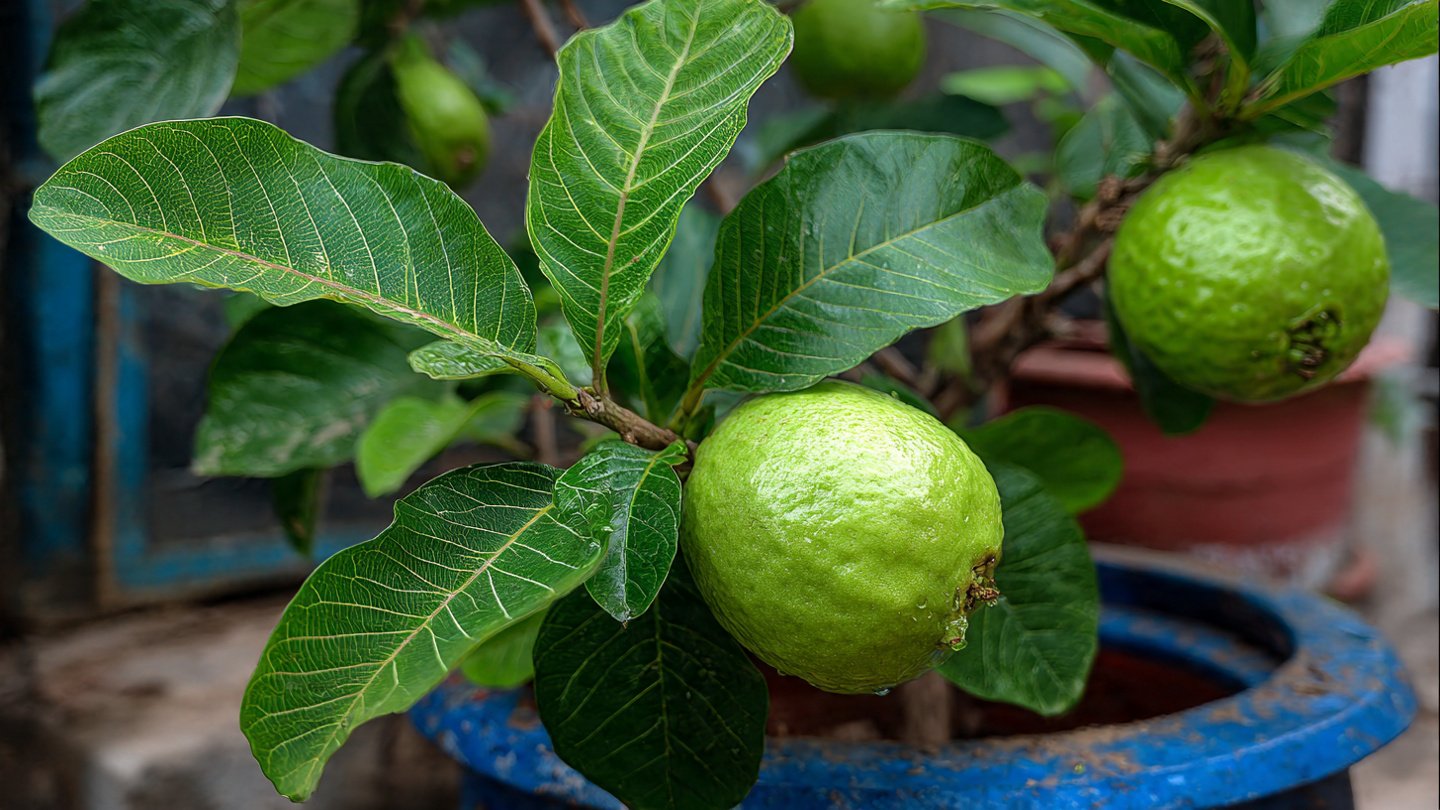
Guava, a tropical fruit that is rich in flavor and nutrients, has gained immense popularity among home gardeners. It is not just favored for its delightful taste; its high vitamin content and aroma make it a valuable addition to any garden. Growing guava in pots can be an excellent choice for home gardeners with limited space. If you’re interested in cultivating guava tree varieties at home, this guide will provide you with everything you need to know about growing guava fruit in pots.
1. Understanding the Guava Plant
Guava (Psidium guajava) is a tropical fruit tree that can reach heights of up to 30 feet in its natural habitat, but when grown in containers, it remains more manageable. Guavas are typically grown in warm climates, though some varieties can tolerate cooler conditions. The most common types include the tropical guava (green or yellow) and the pineapple guava (which has a unique taste and distinct fragrance).
Latest Posts
- With Just 1 Bottle of Water How I Was Shocked by What Happened When Growing Vegetables
- Maximize Your Home Garden with the Hanging Pea Sprout Growing Model – Space-Saving, High-Yield, and Easy-to-Manage Vertical Gardening Solution
- Just Water – The Secret to Growing Plump, White Peanut Sprouts Right at Home: A Step-by-Step Guide for Beginners
- Growing Zucchini at Home in a Container: How to Cultivate Large, Long Fruits with a 1-to-72 Day Step-by-Step Diary for Maximum Yield
- Grow Long Beans on the Terrace in Used Recycling Baskets: The Ultimate Guide to Easy, Space-Saving, and High-Yield Terrace Gardening
- How to Grow Tons of Long Beans Easily Without a Garden – A Complete Guide to Growing Healthy Yardlong Beans Without Fertilizers or Pesticides
- Easy Long Bean Growing Trick – No Garden, No Fertilizer, No Pesticide
- Grow Bitter Melon in Bottles — Harvest So Big You Can’t Eat It All! The Ultimate Guide to Bottle Gardening for Maximum Yields
- Growing Garlic Made Easy: No Soil, Fast Results – The Ultimate Guide to Growing Fresh Garlic Indoors Without Traditional Soil
- Wall-Mounted Hydroponic Watermelon System: Grow Large, Juicy, and Delicious Watermelons at Home with Minimal Space and Maximum Yield
2. Selecting the Right Pot
Choosing the appropriate pot is crucial for the health of your guava plant. Here are some key factors to consider:
-
Material: Choose pots made from materials that promote airflow, such as ceramic, clay, or fabric pots. Avoid using plastic pots unless they have good drainage holes.
-
Size: Start with a pot that is at least 12-16 inches in diameter and depth to allow for root growth. As your guava tree grows, you may need to transfer it to a larger pot.
-
Drainage: Ensure the pot has adequate drainage holes at the bottom to prevent waterlogging, which can lead to root rot.

3. Soil Requirements
Guava trees thrive in well-draining soil rich in organic matter. A good potting mix can be made by combining:
- Two parts potting soil
- One part compost
- One part perlite or sand for improved drainage
This mix will provide the necessary nutrients while ensuring proper aeration for the roots.
4. Choosing Guava Varieties
Not all guava varieties thrive in pots, so select ones that are compact and suitable for container growing. Some recommended varieties include:
- Pineapple Guava: Known for its aromatic flavor and adaptability.
- Tropical Guava: This variety produces round yellow fruits and can be grown in moderate climates.
- Sikkimese Guava: Smaller in stature, this variety is perfect for pot cultivation.

5. Planting Guava Seeds or Seedlings
From Seeds:
- Prepare Seeds: Soak guava seeds in water for 24 hours to enhance germination.
- Sow Seeds: Plant seeds in the prepared potting mix, about ½ inch deep. Space them out to allow for individual growth.
- Watering: Keep the soil moist but not waterlogged until germination, which may take 2-4 weeks.
From Seedlings:
- Choose Healthy Seedlings: Purchase healthy seedlings from a reputable nursery.
- Transplant: Carefully remove the seedling from its container and place it in the prepared pot.
- Water Well: Water thoroughly to settle the soil around the roots.
6. Location and Sunlight
Guava trees prefer full sun, requiring at least 6-8 hours of direct sunlight per day. Ensure your pot is placed in a sunny location, whether in your garden, on a balcony, or near a window that receives ample sunlight. If growing indoors, consider using grow lights if natural sunlight is inadequate.
7. Watering and Feeding
Watering:

- Frequency: Water your guava plant when the top inch of the soil feels dry. Avoid over-watering, as this can lead to root rot.
- Technique: Water deeply to ensure the moisture reaches the deeper roots.
Fertilizing:
Guava plants benefit from regular feeding. Use a balanced fertilizer every 4-6 weeks during the growing season (spring and summer). You can also use organic fertilizers, like compost or fish emulsion, to enhance nutrient absorption.
8. Pruning and Training
Regular pruning helps maintain the shape of the guava tree and encourages air circulation:
- When to Prune: Prune in late winter or early spring before new growth starts.
- What to Cut: Remove dead or crossing branches, and trim the plant to encourage a bushier appearance.
Training your guava plant to grow vertically can enhance fruit production and make harvesting easier.
9. Pest and Disease Management
Guava trees are generally hardy but can be susceptible to pests like aphids, spider mites, and whiteflies. Manage these pests by:

- Inspecting regularly for signs of infestation.
- Using insecticidal soap or neem oil as a natural remedy.
For diseases, ensure your plant has adequate airflow and avoid water on the leaves to prevent fungal infections.
10. Harvesting Guava Fruit
Guava typically matures in about 4-6 months from flowering. The color will depend on the variety, but ripe guavas usually turn yellow or greenish-yellow.
- Picking: Gently twist the fruit off the stem when ripe. You can test ripeness by smelling the fruit; a sweet aroma indicates it’s ready.
FAQs
1. Can I grow guava in a container year-round?
Yes, guava trees can be grown in pots year-round, especially if provided with adequate sunlight and protection from cold temperatures.
2. How often should I water my guava tree?

Water your guava plant when the top inch of soil feels dry. During hot months, this may be once a week, while cooler months may require less frequent watering.
3. What type of fertilizer is best for guava?
A balanced fertilizer with equal N-P-K (Nitrogen-Phosphorous-Potassium) ratios is ideal. Organic options like compost are also beneficial.
4. How can I encourage my guava tree to produce more fruit?
Pruning, proper sunlight, and regular fertilization can help increase yield. Also, ensure the tree is not overcrowded and has enough room for growth.
5. Are guava trees susceptible to frost?
Yes, guava trees are sensitive to frost. If planted in cooler climates, consider bringing the pots indoors during frost or covering them with frost cloth during cold nights.
Conclusion
Growing guava in pots at home can be a rewarding experience, allowing you to enjoy fresh fruit and add greenery to your living space. With proper care, attention to sunlight, watering, and nutrients, you can cultivate a thriving guava plant that will produce delicious fruits for years to come. Happy gardening!