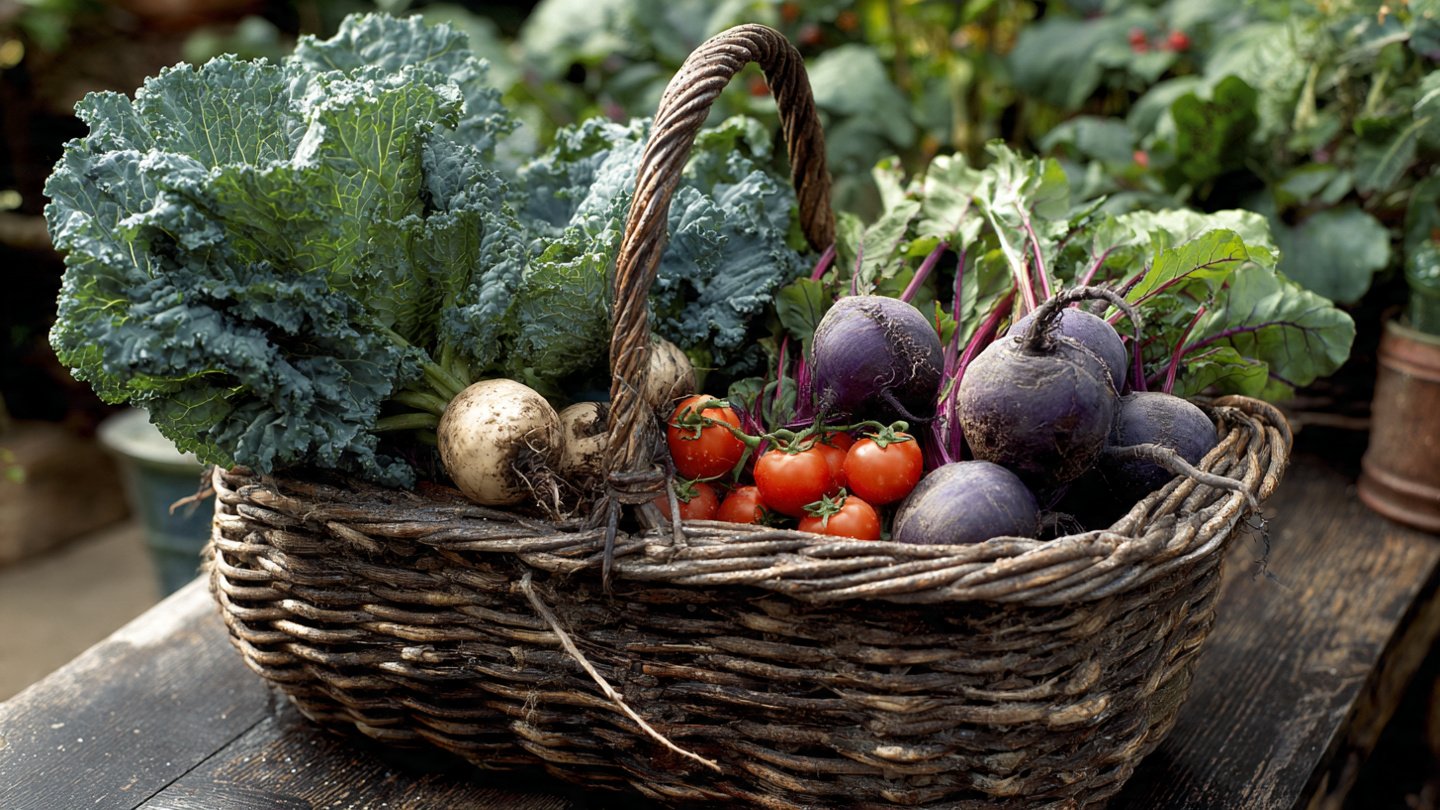
Container gardening has gained popularity in recent years, and for good reason. Whether you live in an apartment, have a small balcony, or want to make the most of your garden space, growing vegetables in containers allows for flexibility and ease of gardening. Choosing the right vegetables is vital to ensure you get the most out of your container garden. In this article, we will explore ten simple vegetables that thrive in containers, making them perfect choices for your gardening adventure.
1. Cherry Tomatoes
Description: Cherry tomatoes are small, sweet, and incredibly versatile. Their compact growth makes them ideal for pots or hanging baskets.
Growing Tips: Select a container that holds at least 5 gallons of soil. Use a good quality potting mix and provide support with stakes or cages as they grow. Ensure they receive 6-8 hours of sunlight daily.
2. Radishes
Description: Radishes are one of the quickest-growing vegetables, maturing in as little as three weeks. They come in various colors and flavors.
Growing Tips: Choose a container that is at least 6-8 inches deep. Plant radish seeds about an inch apart, and ensure they receive full sun. Keep the soil consistently moist.
Latest Posts
- With Just 1 Bottle of Water How I Was Shocked by What Happened When Growing Vegetables
- Maximize Your Home Garden with the Hanging Pea Sprout Growing Model – Space-Saving, High-Yield, and Easy-to-Manage Vertical Gardening Solution
- Just Water – The Secret to Growing Plump, White Peanut Sprouts Right at Home: A Step-by-Step Guide for Beginners
- Growing Zucchini at Home in a Container: How to Cultivate Large, Long Fruits with a 1-to-72 Day Step-by-Step Diary for Maximum Yield
- Grow Long Beans on the Terrace in Used Recycling Baskets: The Ultimate Guide to Easy, Space-Saving, and High-Yield Terrace Gardening
- How to Grow Tons of Long Beans Easily Without a Garden – A Complete Guide to Growing Healthy Yardlong Beans Without Fertilizers or Pesticides
- Easy Long Bean Growing Trick – No Garden, No Fertilizer, No Pesticide
- Grow Bitter Melon in Bottles — Harvest So Big You Can’t Eat It All! The Ultimate Guide to Bottle Gardening for Maximum Yields
- Growing Garlic Made Easy: No Soil, Fast Results – The Ultimate Guide to Growing Fresh Garlic Indoors Without Traditional Soil
- Wall-Mounted Hydroponic Watermelon System: Grow Large, Juicy, and Delicious Watermelons at Home with Minimal Space and Maximum Yield
3. Lettuce
Description: Lettuce is perfect for container gardens due to its shallow root system. It can be harvested multiple times, providing a continuous supply.

Growing Tips: Use containers at least 6 inches deep. Sow seeds directly into the soil or start transplants. Harvest by cutting outer leaves, allowing the inner leaves to continue growing. Partial shade can prevent bitterness.
4. Spinach
Description: Spinach is a nutritious leafy green that grows well in containers. It thrives in cooler temperatures, making it suitable for early spring and fall gardening.
Growing Tips: Choose a pot that is at least 8-10 inches deep. Sow seeds directly and thin seedlings to about 4 inches apart. Spinach prefers rich, well-drained soil and regular watering.
5. Bell Peppers
Description: Bell peppers are colorful and nutritious vegetables ideal for container gardening. They require a bit more care but reward you with a bountiful harvest.
Growing Tips: Use containers that are at least 5 gallons. Plant seedlings after the last frost date and ensure they get 6-8 hours of sunlight. Regular fertilization will help them thrive.
6. Green Beans
Description: Green beans are vigorous climbers that can be easily grown in containers. They produce abundant yields throughout the summer.

Growing Tips: Select a container that is at least 12 inches deep and wide. Use tall stakes or a trellis for support as they grow. Beans need full sun and regular watering for optimal growth.
7. Carrots
Description: Carrots can be cultivated in containers as long as you choose a deep enough pot. They can add vibrant color and crunch to your meals.
Growing Tips: Use deep containers (12-15 inches) filled with loose, sandy soil. Sow seeds thinly and keep the soil moist. Thin seedlings to allow space for growth.
8. Herbs (Basil, Parsley, and Cilantro)
Description: While not vegetables per se, culinary herbs like basil, parsley, and cilantro are essential for enhancing flavors in your dishes. They’re easy to care for in containers.
Growing Tips: Use pots of at least 6-8 inches deep. Ensure adequate drainage and use rich potting soil. Place them in a sunny spot and water regularly to keep the soil moist, but not soggy.
9. Cucumbers
Description: Cucumbers are refreshing and can be grown in pots or containers with enough space. They can climb, making them perfect for vertical gardening.

Growing Tips: Choose a large container (5 gallons or more) and provide a trellis for support. Sow seeds directly and water consistently. Cucumbers need full sun and should be monitored for pests.
10. Zucchini
Description: Zucchini is prolific and can produce a large yield, making it a favorite among home gardeners. They do well in larger containers.
Growing Tips: Use minimum 5-gallon containers and plant one or two seeds per pot. Zucchini requires full sun and ample water to keep the soil consistently moist. Harvest regularly to encourage more growth.
Conclusion
Growing vegetables in containers opens up a world of possibilities for both seasoned gardeners and beginners. The ten vegetables listed above are not only simple to grow but also rewarding, providing you with fresh produce right at your doorstep. When starting your container garden, remember the importance of choosing the right soil, providing adequate sunlight, and monitoring for pests. Happy gardening!
FAQs
1. What size containers do I need for these vegetables?
The size of the container varies depending on the vegetable. Generally, smaller vegetables like radishes and lettuce can thrive in 6-8 inch pots, while larger vegetables like tomatoes, cucumbers, and zucchini require at least 5-gallon containers.

2. How often should I water my container garden?
Container gardens typically dry out faster than in-ground gardens, so it’s crucial to check the soil moisture daily. Most vegetables need water every 1-3 days, especially in hot weather.
3. Can I use regular garden soil in containers?
It’s best to use a high-quality potting mix designed for container gardening. Garden soil can compact in pots, hindering drainage and root growth.
4. Do I need to fertilize my container vegetables?
Yes, container-grown vegetables benefit from regular fertilization. Use a balanced, slow-release fertilizer according to package instructions or consider liquid fertilizers every couple of weeks for optimal growth.

5. Can I grow these vegetables indoors?
Yes, many of these vegetables can be grown indoors if placed near a sunny window or under grow lights. However, ensure adequate light and ventilation to promote healthy growth.
6. How do I know when to harvest my vegetables?
Each vegetable has a different harvesting time. Research the specific vegetable for instructions, but a general rule of thumb is to harvest when the produce is firm, plump, and has reached the size you desire. For leafy greens, you can often harvest outer leaves while allowing the inner leaves to continue growing.
With proper care, your container garden can yield delicious and healthy vegetables right from your home!